ethernet connection laptop not working
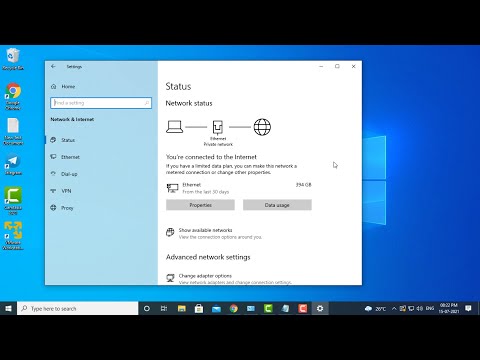
Title: Fix Ethernet Connected But No Internet Access LAN Wired
Channel: ComeAndFixIT
Fix Ethernet Connected But No Internet Access LAN Wired by ComeAndFixIT
ethernet connection laptop not working, ethernet cable laptop not working, ethernet port laptop not working, internet connection laptop not working, why my laptop is not connecting to ethernet, why does my laptop not connect to ethernet, why won't my laptop connect to ethernet
Ethernet Nightmare? Fix Your Laptop's Connection NOW!
Laptop Ethernet Woes? Conquer Your Connection Chaos Today!
Ever feel like your laptop's Ethernet connection is more of a digital gremlin? Does it taunt you with intermittent outages, leaving you staring blankly at websites that refuse to load? You’re not alone! Many users face this frustrating reality. But, take heart! You have landed in the right place. We will unravel the mysteries behind those Ethernet connection headaches.
Understanding the Ethernet Enigma: A Quick Primer
Let's get one thing straight: Ethernet is the backbone of wired internet. It's designed to be fast and reliable. However, it’s also prone to hiccups. Think of it as a critical artery in your digital body. Unfortunately, sometimes that artery gets blocked! Knowing the basics helps you troubleshoot. Often, it's a simple fix. In other instances, it could be a bit more complex.
Is It Your Laptop, or the Universe? Initial Checks
Before you start dismantling your laptop, rule out the obvious culprits. First, is the cable firmly plugged into both your laptop and the router/modem? Give it a gentle, but firm, push. Wiggle the connector. Secondly, examine the cable itself. Are there any visible kinks, breaks, or damage? A damaged cable will impede performance. Consequently, it’s unlikely to work correctly. Furthermore, try a different Ethernet cable. This step is crucial. It quickly eliminates a faulty cable as the source of your problem.
Decoding the Lights: A Visual Inspection is Key
Your laptop and router/modem offer visual clues. Look for the Ethernet port lights on both devices. These tiny LEDs often blink or glow steadily. Their behavior speaks volumes. Does the light on your laptop's Ethernet port even flicker? The light may not be activated. If the light is off, that suggests a hardware issue. If it’s blinking, it's trying to connect. A solid light often means a connection. But sometimes a solid light signifies an error. Examine the router/modem. Does the corresponding port light show activity? That would indicate the router "sees" your laptop. It is essential to observe these lights to diagnose the issue.
Driver Drama: Updating and Reinstalling
Outdated or corrupted drivers can wreak havoc on your network connection. Therefore, updating your Ethernet adapter drivers is a common solution. Access your Device Manager. You can find it easily through the Windows search bar. Locate the "Network adapters" section. Identify your Ethernet adapter. Right-click the adapter and select "Update driver." Follow the prompts to search for the latest drivers. Alternatively, you can uninstall and reinstall the driver. Then restart your computer. This action will often work miracles.
Router Reboot Remedy: The Digital Reset Button
Sometimes, the problem isn’t your laptop. It is your router. Think of your router as the traffic controller of your network. It can get congested or experience software glitches. Therefore, rebooting your router is a tried-and-true troubleshooting step. Unplug your router from the power outlet. Wait a full minute. This allows the capacitors to discharge fully. Then, plug it back in. Allow the router to power on completely. After that, test your Ethernet connection. Rebooting often resolves intermittent issues.
IP Address Investigation: A Network Detective’s Guide
Your laptop needs a valid IP address to communicate with the internet. Occasionally, the IP configuration gets jumbled. You can try releasing and renewing the IP address. To do this, open the Command Prompt. Type ipconfig /release and press Enter. Then, type ipconfig /renew and press Enter again. This forces your computer to request a new IP address from the router. In contrast, it may be that the static IP address setting is causing issues.
Firewall Follies: Unblocking the Path
Your firewall is a security guard. It keeps unwanted traffic out. However, it can sometimes block legitimate connections. Check your firewall settings. Ensure your Ethernet connection isn't being blocked. Temporarily disable your firewall. Then test your internet connection. If this resolves the problem, you may need to adjust your firewall rules. Create an exception for your Ethernet connection. This ensures the connection is allowed.
Hardware Headaches: When to Seek Professional Aid
If you've exhausted these steps, the problem may be hardware-related. The Ethernet port on your laptop might be faulty. Also, the network card within your laptop could be damaged. In this case, it is time to seek professional help. Contact a qualified technician. They possess the expertise to diagnose hardware issues. It is important to recognize your limitations. Don't attempt repairs if you are not comfortable with hardware.
Proactive Protection: Preventing Future Ethernet Nightmares
Prevention is always better than cure, as the saying goes. Keep your drivers up to date. Run regular malware scans. Ensure your laptop is physically protected. Avoid abrupt cable pulls. Consider a surge protector for your router and modem. Following these steps helps maintain a smoother Ethernet experience. As a result, you'll experience fewer interruptions.
Conclusion: Reclaim Your Connection & Get Back Online!
Dealing with laptop Ethernet issues is frustrating. However, armed with this knowledge, you can now diagnose and fix many common problems. From simple cable checks to more advanced troubleshooting steps, you have the necessary tools. Don't let a faulty Ethernet connection hold you back! With a little patience and persistence, you can conquer those connection hiccups. Now, go forth and enjoy a seamless online experience!
Wacom Tablet on Laptop: The Ultimate Setup Guide (You NEED This!)Ethernet Nightmare? Fix Your Laptop's Connection NOW!
Hey, fellow digital wanderers! Ever felt like your laptop is stubbornly refusing to join the internet party? You're staring at that little "no internet" icon, possibly about to throw your hands up in utter frustration. Trust me, we've all been there. That dreaded Ethernet nightmare – where your wired connection decides to take a vacation – can turn a productive day into a digital desert. But fear not! We're going to dive headfirst into the solutions, the fixes, and the triumphs over that frustrating Ethernet gremlin. This isn't just a list of troubleshooting steps; it's a journey through the labyrinth of laptop connectivity, armed with practical advice and a healthy dose of digital empathy. Let’s get connected!
1. The Initial Panic: Symptoms of an Ethernet Apocalypse
Before we start wielding our digital screwdrivers, let's diagnose the situation. What exactly is happening? Is your laptop showing an "Unidentified Network"? Are you facing the dreaded exclamation point over the network icon? Are websites loading slower than a snail on a treadmill? Or, perhaps, you're getting absolutely no connection at all, as if your laptop has suddenly forgotten what the internet is? We've all felt the rising panic. Recognizing the symptoms is the first step toward recovery. It's like figuring out you have a flat tire before you try to drive cross-country.
2. The Obvious Suspects: Physical Connections First!
Okay, let’s start with the basics. Sometimes, the simplest things are the culprits. We're talking about the physical connections here. Is the Ethernet cable securely plugged into both your laptop and your router/modem? Give it a good push, make sure it’s clicked in. It sounds silly, but I’ve wasted hours troubleshooting only to realize the cable was just…loose. Check the cable itself for any damage – kinks, cuts, or anything that screams "I'm not working anymore!". Think of it like a power cord; a frayed or broken one will do nothing.
3. The Router Rhapsody: A Quick Reboot Ritual
Routers are the gatekeepers of the internet, but they can have moody moments. It's like they need a nap now and then. Rebooting your router, and your modem if they are separate, is often the easiest and most effective fix. Just unplug them from the power outlet, wait about 30 seconds (yes, count them!), plug the modem back in, wait for it to fully boot up, and then do the same for the router. It's our digital version of "have you tried turning it off and on again?"
4. Driver Dilemmas: The Software Showdown
Sometimes, the problem lies not in the hardware, but in the software. Specifically, your Ethernet adapter's drivers. Think of drivers as the translators between your laptop and the Ethernet card. If the translation is off, you get connection chaos.
How to check your drivers:
- Press the Windows key + X and select "Device Manager".
- Look for "Network adapters."
- Expand the list and find your Ethernet adapter (it might say something like "Realtek Ethernet Controller").
- If there’s a yellow exclamation mark next to it, you know there's a problem!
- Right-click on the adapter and select "Update driver." Windows will usually find the updated driver automatically.
5. IP Address Inquiries: Private Detective Time
Imagine your laptop needs a postal address (an IP address) to receive internet mail. If it's missing, it won't get anything. Often, your router assigns this address automatically (DHCP), but sometimes things get mixed up.
Checking your IP settings:
- Go to your network connections (search for "network connections" in the Windows search bar.)
- Right-click your Ethernet connection and select "Properties".
- Find "Internet Protocol Version 4 (TCP/IPv4)" and double-click it.
- Make sure "Obtain an IP address automatically" and "Obtain DNS server address automatically" are selected. If they're not, click them and then click "OK."
6. Firewall Frenzy: The Digital Bouncer
Firewalls are like the bouncers at the internet club, deciding who gets in. Sometimes, they might be a little too protective. Your firewall could be blocking your Ethernet connection.
Troubleshooting the Firewall:
- Search for "Windows Defender Firewall" in the Windows search bar and open it.
- Click "Allow an app or feature through Windows Defender Firewall."
- Find "Network adapters" in the list and make sure it's checked as being allowed for both public and private networks.
- If you recently installed new software or a game, it might have added an exception, unintentionally causing it to get blocked.
7. Advanced Techniques: Exploring the Command Prompt Caverns
Now we're getting into some tech wizardry! The Command Prompt (or Terminal on macOS) is a powerful tool. Let's use it to reset your network settings. If you're not comfortable with technical stuff, don’t worry; just following these commands should do the trick.
Network Reset Commands:
Open the Command Prompt as an administrator (search for "cmd" and right-click on it, then select "Run as administrator").
Type the following commands, pressing Enter after each one:
ipconfig /releaseipconfig /renewnetsh winsock resetnetsh int ip resetipconfig /flushdns
Restart your computer.
8. External Factors: ISP Interference
Sometimes, the problem isn't you or your equipment. It could be your Internet Service Provider (ISP). They might be experiencing outages, maintenance, or other issues. Consider your ISP as the local post office; sometimes they face problems. Check their website or social media for any reported issues. Contacting their customer support can bring your clarity.
9. Hardware Hiccups: When the Ethernet Card Itself Fails
In rare cases, the Ethernet card itself could be faulty. If you’ve exhausted all other options, this could be the culprit. If you are comfortable doing so (or know someone who is), you could try replacing the Ethernet network adapter. However, this is a more advanced repair. You may need a professional.
10. The Power of Prevention: Tips For Staying Connected
Prevention is always better than cure! Here are some preventative measures to keep your Ethernet connection happy:
- Regular Driver Updates: Keep your Ethernet adapter drivers up-to-date (see section 4).
- Invest in a Good Cable: Use a high-quality Ethernet cable.
- Protect Your Router: Keep your router in a well-ventilated area and consider a surge protector.
- Monitor Network Performance: Keep an eye on your internet speed.
11. Wireless Alternatives: The Wi-Fi Workaround
While you're troubleshooting Ethernet woes, you can always use Wi-Fi. Ensure your Wi-Fi adapter is enabled and that you have the correct password for your network.
12. Restart Your Laptop: The Universal Fix (Sometimes!)
I know, I know… it's advice that's almost as common as "have you tried turning it on?" but restarting your laptop can sometimes work wonders. It can clear up temporary glitches and reset processes that might be causing the problem.
13. System Restore: Rolling Back Time for Your Laptop
If you suspect a recent software installation or update caused the issue, try System Restore. This brings your system back to a previous state when everything was working correctly. It’s like a digital rewind!
14. Troubleshooting Guides: Expert Help At Your Fingertips
Various other online resources, like tutorial videos, troubleshooting guides, and forums, offers extra guidance. They can provide additional information and insights into specific Ethernet connection problems.
15. The Joy of Connectivity: Celebrating a Successful Fix
When you finally get the connection back, celebrate! Pat yourself on the back for your tenacity. Think of it as a victory over the digital gremlins, an achievement we can all appreciate.
Closing Section: Back to the Broadband Bliss!
So there you have it! We've tackled the Ethernet nightmare head-on, armed with knowledge and a can-do attitude. Remember, troubleshooting these issues can be a process of trial and error. Don't get discouraged. With patience and persistence, you can conquer those connectivity challenges and return to the joy of a stable internet connection. Now, go forth and conquer!
FAQs
1. My Ethernet cable seems fine, but I still have no connection. What else could be the problem?
Several other factors could be the culprit. Make sure to reboot your router, check your driver updates, and check your firewall settings. If everything seems in order, It might be down to the ISP. Maybe there's an outage? Try contacting your ISP.
2. I tried all these steps, and nothing worked. What are my next steps?
Consider contacting a qualified tech support professional. They can fully evaluate your system and give you expert advice.
**
Laptop to HDMI TV: FIX This Annoying Problem NOW!Network cable unplugged error in Windows 10 11 Fix
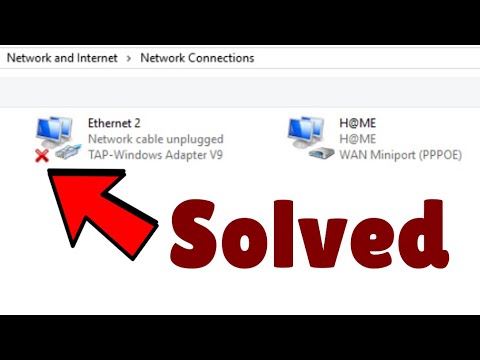
By The Geek Page Network cable unplugged error in Windows 10 11 Fix by The Geek Page
How To Fix Ethernet Not Working In Windows 11 - Full Guide

By GuideRealm How To Fix Ethernet Not Working In Windows 11 - Full Guide by GuideRealm
How To Fix Ethernet Connection In Windows 11 - Full Guide

By GuideRealm How To Fix Ethernet Connection In Windows 11 - Full Guide by GuideRealm

Title: How to Fix Network Cable Unplugged Error in Windows 1011
Channel: Tech White
How to Fix Network Cable Unplugged Error in Windows 1011 by Tech White
Change Wifi Settings
Ethernet Nightmare? Fix Your Laptop's Connection NOW!
Let's cut straight to the chase. You're here because your laptop, the lifeline to your work, your entertainment, and your connection to the world, is stubbornly refusing to play nice with your Ethernet cable. The dreaded Ethernet "nightmare" has descended. Don't worry; we're here to diagnose the problem and, more importantly, get you back online. This isn't just a generic troubleshooting guide; we're going deep, exploring the intricacies of Ethernet connections and equipping you with the knowledge to conquer this frustrating issue.
Understanding the Ethernet Connection: A Foundation for Troubleshooting
Before diving into solutions, let's clarify the fundamentals. Think of your Ethernet cable as a superhighway for data. It's designed to deliver a fast, stable, and reliable connection, often far superior to Wi-Fi. When the connection falters, it's typically a problem within one of a few key players.
- The Physical Cable: This is your first suspect. A damaged or faulty cable can be the simplest explanation, but often overlooked.
- The Ethernet Port (on your laptop): This is the receiving end for the signal. Dust, debris, or hardware malfunctions can disrupt the connection.
- The Router/Network Switch: This device directs the flow of data. Issues here can impact your laptop's ability to access the internet.
- Your Laptop's Network Adapter (Driver): This is software that allows your laptop to communicate with the network hardware. Outdated or corrupted drivers are prime culprits.
- IP Address and DNS Settings: These are essential for your laptop to find its place on the network and communicate with the wider internet. Incorrect settings are a common cause of connectivity woes.
Step 1: The Cable Conundrum - Is the Wire the Culprit?
The simplest, and surprisingly often, the cause of Ethernet problems is the cable itself. Let's eliminate this possibility right away.
- Visual Inspection: Examine the cable from end to end, including both connectors (RJ45 plugs). Look for any visible damage: bends, kinks, cuts, or frayed wires. A damaged cable is a dead cable.
- Connector Check: Scrutinize the plastic clips on the RJ45 connectors. These are prone to breaking during removal, leading to a loose connection. A loose connection means no connection.
- Test with a Known-Good Cable: The best way to confirm cable issues is to swap it out for a cable you know works. Borrow one from another device or use a spare. If the new cable solves the problem, your old cable is toast.
- Cable Category: For optimal performance, especially with modern internet speeds, ensure you are using at least a Cat5e or, preferably, a Cat6 cable. Older Cat5 cables might struggle with higher bandwidth demands.
Step 2: Investigating the Laptop’s Ethernet Port
Assuming the cable is functional, let's shift our attention to your laptop's Ethernet port.
- Physical Examination: Carefully look inside the port. Dust and debris can sometimes obstruct a connection. Use a can of compressed air to gently clean out any obstructions. Avoid using sharp objects that could damage the pins.
- Try a Different Port (if available): Some laptops have multiple Ethernet ports. If another port is present, test to see if it works. This helps determine if the problem is hardware-specific.
- Check for Loose Connections (Less Common): Very rarely, the Ethernet port itself might be loose, especially on older laptops. Feel for any movement or wiggling. Be cautious; repairing such hardware issues can be complex.
Step 3: Router and Network Switch Diagnostics
Your router or network switch acts as the traffic controller for your network. Problems here often manifest as connectivity issues for multiple devices, or just your laptop.
- Power Cycle the Router/Switch: This is the first and easiest step. Unplug both devices from the power outlet. Wait at least 30 seconds (longer is fine), plug the router back in, and let it fully boot up. Then, plug in the switch (if applicable). This often resolves temporary glitches.
- Check Router Lights: Observe the lights on your router, specifically the Ethernet port lights. A solid light usually indicates a successful connection. Flashing lights indicate network traffic. No light might mean a problem with either the cable or the router port.
- Test a Different Port on the Router/Switch: If your router/switch has multiple Ethernet ports, try plugging your laptop into a different one. This isolates whether the original port is malfunctioning.
- Examine Router Configuration (Advanced): You can log into your router's configuration page (usually by typing its IP address into your web browser; check your router's manual for the specific IP). Look for any unusual settings related to DHCP or IP address allocation. Ensure DHCP is enabled (unless you're intentionally using static IP addresses).
- Test Another Device: Connect a different device (another laptop, a desktop computer, etc.) to the same Ethernet cable and port. This isolates whether the problem is confined to just your laptop.
Step 4: Driver Dilemmas - The Software Side of Ethernet
Your laptop's Ethernet adapter relies on a driver, a software program, to communicate with the network hardware. Driver issues are incredibly common.
- Check Device Manager: On Windows, press the Windows key, type "Device Manager," and press Enter. Look for "Network adapters." Expand the list, and locate your Ethernet adapter (it might be labeled as "Ethernet Controller" or something similar).
- Driver Status: If there's a yellow exclamation mark next to the adapter, it means there's a problem. Right-click the adapter and choose "Properties." Look at the "Device status" for error messages.
- Update Your Drivers: Right-click the Ethernet adapter, and select "Update driver." Choose "Search automatically for drivers." Windows will attempt to install the latest driver.
- Roll Back Your Driver (if the problem started recently): If the Ethernet connection stopped working shortly after a driver update, try rolling back to a previous driver version. In the Device Manager, right-click the adapter, select "Properties," go to the "Driver" tab, and click "Roll Back Driver."
- Uninstall and Reinstall the Driver: If updating or rolling back doesn't work, try completely uninstalling the driver. Right-click the adapter in Device Manager and select "Uninstall device." Then, restart your laptop. Windows should automatically attempt to reinstall the driver upon reboot. If not, you can typically download the latest driver from your laptop manufacturer's website.
- Manufacturer's Website: Always download drivers directly from your laptop manufacturer's website (Dell, HP, Lenovo, etc.). These drivers are specifically tailored to your hardware.
Step 5: IP Address and DNS Conflicts
Your laptop needs a unique IP address to communicate on the network, and it uses DNS servers to translate website addresses into numerical IP addresses. Incorrect settings here can cause problems.
- Automatic IP Address Configuration (Recommended): The easiest and most common setup is to have your laptop automatically obtain an IP address and DNS server addresses from your router.
- On Windows, go to "Network and Sharing Center" (search for it in the Start menu).
- Click "Change adapter settings."
- Right-click your Ethernet adapter and select "Properties."
- In the "Properties" window, double-click "Internet Protocol Version 4 (TCP/IPv4)."
- Ensure "Obtain an IP address automatically" and "Obtain DNS server address automatically" are selected.
- Manual IP Configuration (Advanced): If you're intentionally using a static IP address, ensure it's within your network's range and doesn't conflict with another device.
- The same setup as above, but select "Use the following IP address."
- You'll need to enter:
- IP address: (An unused address within your network's range, e.g., 192.168.1.100. Check your router's configuration to see the valid range.)
- Subnet mask: (Typically 255.255.255.0)
- Default gateway: (Your router's IP address, usually 192.168.1.1 or 192.168.0.1)
- Preferred DNS server: (You can use your router's IP address here, or you can try a public DNS server like Google's [8.8.8.8 and 8.8.4.4] or Cloudflare's [1.1.1.1 and 1.0.0.1])
- Flush DNS Cache: Sometimes, your laptop's DNS cache can become corrupted. Open the Command Prompt (search for "cmd" in the Start menu) and type
ipconfig /flushdnsand press Enter. Then, restart your laptop.
Step 6: Firewall Interference
Your laptop's firewall protects your computer by blocking unauthorized network connections. Sometimes, the firewall can inadvertently block the Ethernet connection.
- Temporarily Disable the Firewall (for testing only): This is not a permanent solution. On Windows, search for "Windows
