how does internet work on laptop
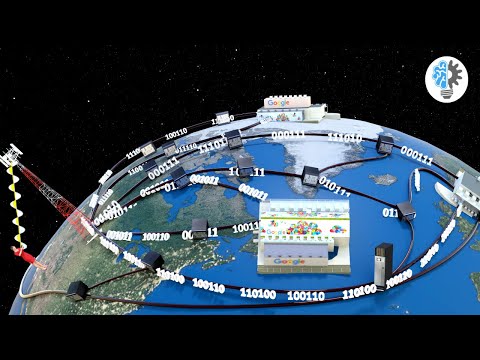
Title: How does the INTERNET work ICT 2
Channel: Sabin Civil Engineering
How does the INTERNET work ICT 2 by Sabin Civil Engineering
how does internet work on laptop, can i put internet on my laptop
Laptop Internet Magic: How Does It REALLY Work?
Unveiling the Digital Portal: Demystifying Laptop Internet Connectivity
Ever pondered the ethereal dance of data that allows your laptop to connect to the internet? It's a question many of us have entertained. It is a modern marvel, a feat of engineering seemingly plucked from the realm of science fiction. The reality, however, is a fascinating tapestry of interconnected technologies. Let's unravel this web together.
The Wireless Whisper: Wi-Fi's Subtle Symphony
Imagine a world without pesky wires. Wi-Fi is the architect of this dream. Your laptop, equipped with a Wi-Fi adapter, speaks a special language. It's a language of radio waves. These waves, invisible to the naked eye, carry information. The router, your home's digital gatekeeper, receives that language. It then translates it into something the internet understands. Essentially, Wi-Fi acts as a messenger. It relays data between your laptop and the broader digital world. This process happens incredibly fast. Consequently, streaming movies and social media become possible.
The Cellular Connection: Mobile Broadband's Versatility
What about internet access on the go? Mobile broadband is your answer. Your laptop features a built-in cellular modem. This modem connects to cell towers. These towers, strategically placed across the landscape, are integral. They're the linchpins of mobile data transmission. They receive and transmit radio signals. These signals carry the internet's lifeblood: data. This allows you to work from a coffee shop or a park bench. In fact, this technology has fundamentally changed how we live.
The Ethernet Embrace: Wired Reliability's Resilience
For those preferring a more direct approach, Ethernet is the stalwart choice. It's the reliable workhorse of internet connectivity. An Ethernet cable carries data directly to your laptop. Therefore, there are no wireless intermediaries. This translates to stable, high-speed internet. It's a favorite for gamers and professionals. They prioritize speed and consistency. The direct connection minimizes interference.
The Router's Role: The Brains of the Operation
The router is the unsung hero. Think of the router as the central hub. It manages the flow of internet traffic. It assigns IP addresses to your devices. It also acts as a firewall. Hence, protecting your network from unwanted visitors. The router intelligently directs data. It routes information. It's the gatekeeper, traffic controller, and protector. Without it, the internet would be a chaotic mess.
The Internet Service Provider (ISP): The Digital Conduit
Your ISP is the entity that actually provides the internet. They are the providers of the main artery of the Internet. They are the "internet provider". ISPs are connected to the global internet network. They make the internet available to your home. They are the backbone, the infrastructure, that makes it all work. Therefore, you are essentially renting connection from them.
Data Packets: The Building Blocks of the Digital Realm
Information isn't transmitted as one giant stream. It’s broken down into small pieces. Those small pieces are called "data packets". These packets travel through the network. They're like tiny digital envelopes. They contain parts of the information. They are routed to their destination. The recipient device then reassembles them. It puts them in the correct order. This ensures that you see a complete web page. This process is at the heart of the internet.
The DNS Dance: Translating Names to Numbers
Ever typed a website address? You see something like "www.example.com." The internet, however, speaks in numbers. That's where DNS comes in. DNS translates those user-friendly names into numerical IP addresses. It's like a digital phonebook. Thus, your laptop knows where to find the website you requested. It's an essential part of your browsing experience.
Security Protocols: Shielding Your Digital Assets
The internet can be a dangerous place. Security protocols protect your data. They encrypt data. They provide a secure pathway. HTTPS is a common example. It secures your connection. It also protects your sensitive information. Therefore, it's a crucial part of online safety.
Troubleshooting Tips: Navigating the Murky Waters
Sometimes, things go awry. Your internet might slow down. You might completely lose connection. Restarting your router is a common first step. Check your cables. Ensure everything is plugged in correctly. Contact your ISP for more complex issues. Remember, patience is a virtue. Troubleshooting skills will save your sanity.
Conclusion: Embracing the Digital Symphony
The internet is a complex tapestry of interconnected technologies. From Wi-Fi to cellular data, it is a remarkable journey. Your laptop harnesses these technologies. As a result, you can connect to the world. So, the next time you click and surf, remember the underlying magic. The internet is an extraordinary achievement. It's a testament to innovation. It continues to evolve. Therefore, embrace the digital symphony.
Laptop Bed Bliss: The Ultimate Guide to Cozy Comfort & ProductivityLaptop Internet Magic: How Does It REALLY Work?
Ever stared at your laptop screen, feeling a mix of awe and wonder? You're probably thinking, "How in the world does this tiny box connect me to the entire globe?" Well, friend, you're not alone. We’re going to unravel the secrets behind this fascinating phenomenon, exploring the magic that allows us to binge-watch cat videos, connect with loved ones, and, you know, do actual work, all thanks to the internet. Forget complex technical jargon; we're going to talk about the internet like we're chatting over a cup of coffee.
1. The Genesis of the Digital Dream: A Brief History
It all started with an idea, a seed of connectivity planted during the Cold War. Back then, the concern was communication. Imagine a world where information could flow even if parts of it got knocked out. The US Department of Defense's Advanced Research Projects Agency (ARPA) birthed the ARPANET, the internet's grandparent. Then, in the 80s and 90s, the World Wide Web, with its user-friendly interface, exploded onto the scene, transforming the ARPANET into something accessible to everyone. It was like someone gave the internet a makeover, making it pretty darn attractive.
2. The Laptop's Role: Your Digital Gateway
Your laptop isn't just a pretty face; it's your portal. It acts as a translator, a bridge, a middleman. It takes all the information you send (like when you type "cat videos" into Google) and converts it into a language the internet understands. Then, it takes the information from the internet (those adorable cat videos) and translates it back into something you can see and hear. Think of your laptop as your personal interpreter, negotiating with the digital world on your behalf.
3. The Physical Network: Where the Wires (and Wireless Waves) Meet
Let's get physical. You have cables, routers, and servers, all quietly humming behind the scenes. Data transmits information across continents. This is our digital highway system.
- Copper Cables and Fiber Optics: The primary pathways are like the roads the information travels on. Copper cables and fiber optic cables are the physical connections that transmit the data. Fiber optic cables, with their glass fibers, are like super-speedy expressways.
- Wireless Signals: Wi-Fi uses radio waves to get information between your laptop and your router. Imagine waving your hand at a friend – that’s how your laptop ‘talks’ to your router. 4G and 5G, your smartphones' best friends (and your laptop's friends when tethering), use radio waves too.
4. Routers: Traffic Controllers of the Web
Your router is the air traffic controller of your internet. It directs all the digital traffic: where requests go, how to send info back, and prevent too much data from going into your device and slowing it down. Imagine your router as a seasoned dispatcher, making sure everything gets to where it needs to go safely and efficiently.
5. From Your Laptop to the Cloud: The Journey Begins
When you click on a link, the journey begins. Your laptop sends a request to your router, which then sends it to your Internet Service Provider (ISP). The ISP then gets the request to where it needs to go, like a DNS server.
6. DNS Servers: The Digital Phonebooks
The Domain Name System (DNS) is like the phonebook of the internet. We use human-readable names for websites (like "google.com"), but the internet uses numerical IP addresses. DNS servers translate those names into IP addresses, allowing your laptop to find the website.
7. Web Servers: The Hosts of the Internet
Web servers store websites and all their content: text, images, videos, everything. They are the libraries, archives, and marketplaces of the internet. They process requests like when you want to watch a video, and send the information back to your laptop.
8. The Transmission of Data: Packets and Protocols
Information travels in small packets. Think of them as tiny envelopes carrying crucial data. These packets zip across the network, being rerouted and reassembled at their destination.
- Protocols Rules of the road. The most important are TCP/IP (Transmission Control Protocol/Internet Protocol), which determines how packets are sent and received.
9. How the Internet Handles That Cat Video (and Everything Else!)
When you click that play button:
- Your laptop sends the request to watch that cat video.
- The request goes through the process: router, ISP, and DNS.
- The request finds the server hosting the cat video.
- The video is broken down into packets.
- Packets are sent back to your laptop.
- Your machine reassembles those packets.
- You watch a cat video.
It's a remarkably neat process.
10. Bandwidth and Speed: What Affects Your Internet Performance?
Bandwidth is like the width of a highway. More bandwidth the more information. Your internet speed is influenced by the bandwidth of your connection and the distance your data travels.
11. The Cloud: Where Everything Lives (Sort Of)
The cloud isn't actually a cloud, of course. It's a network of servers, data centers, and other computing infrastructure. It's where files are stored, applications run, and services are delivered. When you upload a file to Google Drive, it goes to servers in the cloud.
12. Security: Protecting Your Digital Footprint
Security is paramount. Firewalls, encryption, and anti-virus software are your digital bodyguards, defending your laptop against threats.
13. The Future of the Internet: Where Are We Headed?
The future is exciting. We see faster speeds, more connectivity, and greater integration into our daily lives.
14. The Ethical Considerations: A Digital Responsibility
With great power comes great responsibility. We must be mindful of cybersecurity, the spread of misinformation, and the impact of the internet on society.
15. Keeping the Magic Alive: Maintenance and Troubleshooting
Keep your laptop updated. Run virus scans, and back up your data. It's like maintaining a car. If something goes wrong, check your connection, restart your router, and remember to breathe!
So, there you have it: the magic behind your laptop's internet connection. It's a complex system, but hopefully, we've demystified it a bit. The next time you’re surfing the web, remember the incredible journey those small packets take to reach your screen. It’s a testament to human ingenuity and the power of connection.
Closing Thoughts:
The internet, wrapped inside your laptop, is a powerful tool. It's a window to the world, a playground, a workspace, and a lifeline. We must understand how something so intricate works. We can appreciate its power, use it responsibly, and look forward to whatever incredible things it will bring. After all, the future is digital, and you, my friend, are now a little more in the know. Now go forth and surf the web!
FAQs
1. What is an ISP, and why do I need one?
An ISP (Internet Service Provider) is a company that provides you with internet access. They give you the connection to the internet. Without an ISP, your laptop would be a digital island.
2. What is the difference between Wi-Fi and the internet?
Wi-Fi is a wireless technology that allows your laptop to connect to the internet. The internet is the global network of interconnected devices. Wi-Fi provides the local link, but the internet is the destination.
3. Why is my internet slow?
Many factors influence internet speed: your bandwidth, the distance to the server, congestion on the network, and the performance of your laptop. Think of it like traffic on a busy road.
4. What is a "packet"?
A packet is a small unit of data that travels across the internet. Data is broken down and reassembled.
5. How can I improve my internet speed?
- Upgrade your internet plan for more bandwidth.
- Move your router to a more central location.
- Close bandwidth-heavy applications.
- Clear your browser's cache files.
- Consider using a wired Ethernet connection.
Principal Keywords: Laptop Internet Explained Working
SEO Headline: Laptop Internet Working: Understanding How it Works
Pathway: Laptop/Internet
Meta Summary: Unravel the mystery of how laptop internet works! This guide explains the steps, from your laptop to the cloud, in a friendly, easy-to-understand way. #LaptopInternetExplained #HowItWorks
Image Alt Text: A stylized graphic of a laptop surrounded by glowing lines representing the flow of data, symbolizing the interconnectedness of the internet.
Dell Mouse Disaster! Fix Your Laptop's Frozen Cursor NOW!How the Internet Works in 9 Minutes

By ByteByteGo How the Internet Works in 9 Minutes by ByteByteGo
How The Internet Works What Is Internet Dr Binocs Show Kids Learning Video Peekaboo Kidz
By Peekaboo Kidz How The Internet Works What Is Internet Dr Binocs Show Kids Learning Video Peekaboo Kidz by Peekaboo Kidz
How does the internet work Full Course
By freeCodeCamp.org How does the internet work Full Course by freeCodeCamp.org
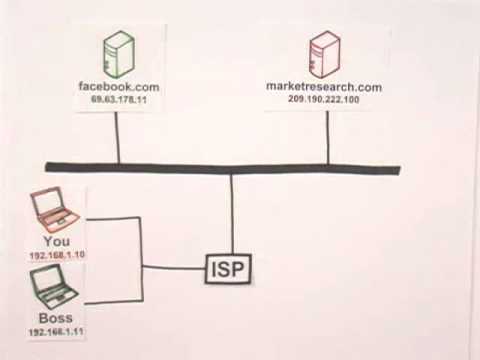
Title: How the Internet Works in 5 Minutes
Channel: Aaron
How the Internet Works in 5 Minutes by Aaron
Laptop Wifi Connect
Laptop Internet Magic: Unveiling the Digital Threads That Connect Us
We live in an age where the world is at our fingertips, accessible through the glowing screens of our laptops. But have you ever stopped to contemplate the intricate web of technology that makes this possible? The seamless transition from pressing the power button to browsing the internet – it feels like magic. Let's pull back the curtain and dissect the fascinating mechanics that transform a laptop into a portal to the digital realm.
The Wireless Wave: Understanding Wi-Fi's Symphony
The most common way a laptop taps into the internet's vast ocean is through Wi-Fi. This technology, seemingly invisible, is a complex dance of radio waves. At its core, Wi-Fi uses radio waves, specifically in the 2.4 GHz and 5 GHz frequency bands, to transmit data wirelessly. Your laptop contains a Wi-Fi adapter, a sophisticated piece of hardware acting as both a sender and receiver.
When you connect to a Wi-Fi network, your laptop's adapter begins a negotiation with the router – the central hub of your home or office network. This involves exchanging information, including the network's name (SSID) and security settings (like a password). Once the connection is established, your laptop sends data to the router in the form of radio waves. The router, in turn, translates these radio waves into a language the internet understands.
Think of the router as a translator. It takes the signals from your laptop and directs them to the appropriate destination on the internet, whether that’s retrieving a news article, streaming a video, or sending an email. Conversely, the router receives information from the internet and relays it back to your laptop, again using radio waves. The speed of this exchange depends on several factors, including the Wi-Fi standard (e.g., 802.11ac, 802.11ax), the distance between your laptop and the router, and any physical obstructions like walls that might interfere with the radio signals.
From Radio Waves to Reality: The Anatomy of a Data Packet
The information exchanged between your laptop and the internet isn't just free-flowing; it’s meticulously packaged and formatted. This is where data packets come into play. Imagine each packet like a meticulously crafted envelope containing a piece of your digital message. Each packet has a header, analogous to the envelope’s address and return information. This header includes crucial details like:
- The destination IP address: This acts like the recipient's postal address, guiding the packet to the correct server on the internet.
- The source IP address: This is essentially your laptop's "return address," allowing the server to send information back to you.
- Sequence numbers: These ensure that packets arrive in the correct order, as they might travel different routes across the internet.
- Error-checking data: This helps to ensure that the contents of the packet haven’t been corrupted during transmission.
Within the packet itself lies the payload – the actual data you're trying to send or receive. This could be anything from the words you type to the pixels that make up the image you're viewing. These packets travel through the internet, hopping from one router to another, following the most efficient path to their destination.
The Router's Role: The Network's Orchestrator
The router is the unsung hero of your internet connection. It acts as the central point, directing network traffic and ensuring smooth data flow. The router’s functionality goes beyond just translating radio waves. It also performs tasks such as:
- Network Address Translation (NAT): This allows multiple devices on your home network to share a single public IP address, making it possible for your laptop, phone, and other devices to access the internet simultaneously.
- Firewall protection: Routers often include firewalls that protect your network from unauthorized access and potential cyber threats.
- Dynamic Host Configuration Protocol (DHCP): This automatically assigns IP addresses to devices on your network, simplifying the connection process.
- Wireless Security Protocols: Routers use encryption protocols like WPA2 or WPA3 to secure your Wi-Fi network, preventing unauthorized users from intercepting your data.
The Ethernet Alternative: Wired for Speed
While Wi-Fi is convenient, Ethernet offers a wired alternative that often delivers faster and more stable internet connections. Ethernet utilizes physical cables, typically Cat5e or Cat6 Ethernet cables, to transmit data. These cables connect directly to your laptop's Ethernet port (if it has one) and, via a router or modem, to the broader internet.
Ethernet connections are typically less susceptible to interference than Wi-Fi, ensuring a more reliable connection. This makes Ethernet a preferred choice for activities that demand high bandwidth and low latency, such as online gaming, video conferencing, and large file transfers.
The Internet Service Provider: The Gateway to the World
Your internet connection wouldn't exist without an Internet Service Provider (ISP). The ISP is the company that provides you with access to the internet. They own and maintain the infrastructure that connects your router to the internet. This includes things like fiber optic cables, copper wires, and satellite links. ISPs offer various internet plans that differ in terms of:
- Speed: Measured in megabits per second (Mbps), this determines how quickly you can download and upload data.
- Data caps: Some plans limit the amount of data you can use each month.
- Cost: Plans vary in price depending on speed, data limits, and bundled services.
- Service Type: ISPs may offer several types of service, including DSL, cable, fiber, satellite, and more. These services each have their own strengths and weaknesses regarding speed, reliability, and availability.
From the ISP to Your Screen: The Journey of a Web Page
Let's trace the path a web page takes from the internet to your laptop screen. When you type a web address (URL) into your browser, your laptop initiates the following steps:
- DNS Resolution: Your laptop sends a request to a Domain Name System (DNS) server. The DNS server translates the human-readable URL (e.g., google.com) into the numerical IP address of the website's server. This is like looking up a phone number in a phone book.
- HTTP Request: Your laptop then sends an HTTP request (or HTTPS, for a secure connection) to the web server at the IP address retrieved from the DNS server. This request basically says, "Hey, I want to see the content of this web page."
- Server Response: The web server receives the request and sends back the web page's content, typically in the form of HTML, CSS, and JavaScript files, along with associated images and videos.
- Data Packets and Routing: The web server breaks down the web page's content into data packets and sends them across the internet. These packets travel through various routers and networks until they reach your ISP's network.
- Delivery to Your Router: Your ISP's infrastructure delivers the data packets to your router.
- Router to Laptop: Your router then forwards the packets to your laptop.
- Browser Rendering: Your laptop's web browser receives the data packets and reconstructs the web page. The browser interprets the HTML code, applies CSS to style the page, and executes any JavaScript code to create the interactive elements you see. The images are displayed, the text is formatted, and the page loads on your screen.
Troubleshooting Your Internet Connection: Common Pitfalls and Solutions
Even with all this sophisticated technology, things can sometimes go wrong. Here are some common internet issues and how to address them:
- Slow Internet Speeds:
- Solution: Run a speed test to confirm your actual speeds. If they're considerably lower than what you're paying for, contact your ISP. Try restarting your router and modem. Ensure no other devices are excessively using bandwidth.
- Wi-Fi Issues:
- Solution: Move your laptop closer to the router. Restart your router. Check for interference from other electronic devices (microwaves, cordless phones). Ensure your router's firmware is up-to-date. Consider upgrading to a newer Wi-Fi standard, like Wi-Fi 6 or Wi-Fi 6E, if your devices support it.
- Intermittent Connection:
- Solution: Check the physical connections of all your network devices. If you are using Wi-Fi, consider switching to an Ethernet connection. Reset your router and modem. Contact your ISP to report the issue.
- Website Not Loading:
- Solution: Check your internet connection. Clear your browser's cache and cookies. Try a different website to determine if the issue is site-specific. If the problem persists, try restarting your laptop.
- Security Concerns
- Solution: Keep your router's firmware updated, utilize a strong password, and be aware of phishing scams. Consider enabling two-factor authentication. Use a reputable antivirus program with real-time protection to safeguard your laptop from malware threats.
The Future of Laptop Internet: A Glimpse into Tomorrow's Connectivity
The world of laptop internet is constantly evolving. We can expect exciting advancements in the years to come:
- Faster Wi-Fi: Wi-Fi 7 is poised to offer even greater speeds and reduce latency.
- 5G and Beyond: Expect greater availability and speeds with the wider adoption of 5G technologies.
- **More
