lan connection not working on laptop
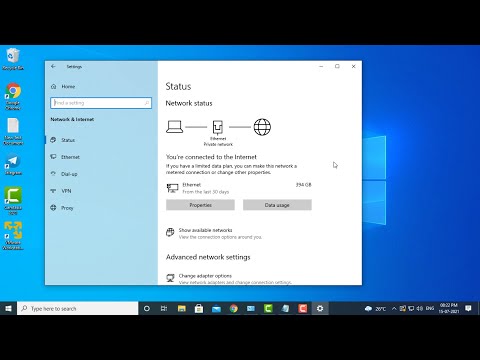
Title: Fix Ethernet Connected But No Internet Access LAN Wired
Channel: ComeAndFixIT
Fix Ethernet Connected But No Internet Access LAN Wired by ComeAndFixIT
lan connection not working on laptop, ethernet connection not working on laptop, lan is not working in laptop, lan connection not working windows 10, lan connection not working
Laptop WiFi Nightmare? FIX Your Connection NOW!
Laptop WiFi Woes? Conquer Your Connection Challenges Today!
Are you wrestling with a laptop that seems perpetually tethered to a slow internet connection? Do dropped signals and frustrating buffering become the bane of your digital existence? If so, you're certainly not alone. Many laptop users, like you, frequently face WiFi connection issues. But fear not! This article will equip you with the knowledge and strategies to banish those WiFi gremlins. In fact, we'll transform your connectivity experience.
Troubleshooting Your Teething WiFi: A Connection Compass
First, let's embark on a journey of initial diagnosis. The first step is the most important. It involves pinpointing the root cause. Is your issue a hardware malfunction, or a software glitch? Moreover, is your router the culprit, or does the blame lie internally with your laptop's settings?
Restart the Usual Suspects: Begin by rebooting the laptop. This simple act of digital rejuvenation often works wonders. Then, reboot your router and modem. Sometimes, this quick reset is the only fix required. Because for many, it resolves minor glitches.
Check the Physical Connections: Verify all cables are securely plugged in. Furthermore, ensure your modem and router receive power. A loose cable can silently sabotage your entire online experience, unfortunately.
Locate Your Laptop Closer to the Router: Walls, appliances, and other obstructions can weaken the signal. Try moving closer to the router, at least as a test. Afterward, determine if the signal strength improves.
Decoding Router Rendezvous: Fine-Tuning Your Wireless Gateway
Your router is the gatekeeper of your internet. It's crucial to ensure it performs at its best. Therefore, let's dive into essential router configurations that may require attention.
Channel Surfing for Optimal Performance: Your router broadcasts WiFi on various channels. These channels are like radio frequencies. Your neighbors' routers might be using the same channel. This can cause interference and slow speeds. Accessing your router's settings allows you to explore different channels. Experiment with a few to identify the clearest one.
Firmware Upgrade: Keeping Things Current: Router manufacturers regularly release firmware updates. They contain potential security patches. They may enhance performance and fix bugs. Check your router's manual. It’ll guide you through the process of updating its firmware.
Security Settings: Safeguarding Your Network: Use a secure password. Employ WPA2 or WPA3 encryption for enhanced protection. This prevents unauthorized access. It also protects your data.
Laptop-Specific Solutions: Unlocking Hidden Potential
If the router seems fine, the problem may be with your laptop. Let's explore device-specific solutions.
Driver Dilemmas and Updates: Outdated drivers can cause connectivity woes. Go to your laptop's manufacturer website. They usually have the latest drivers. Download and install the updated network adapter drivers.
Power Management Settings: Balancing Performance and Power: Your laptop's power settings can sometimes throttle your WiFi adapter to conserve battery. Change these settings to maximize performance. Go to your power settings. Then, locate the wireless adapter settings. Set it to maximum performance.
Network Adapter Troubleshooting: Windows has a built-in network troubleshooter. It can automatically diagnose and fix common network issues. Access it through the Control Panel. It’s worth a try.
Advanced Troubleshooting: Moving Beyond the Basics
At this point, if you have exhausted the prior steps, you can proceed to more advanced techniques.
Flushing the DNS Cache: Your computer stores DNS information. This allows for faster website loading. Sometimes, the cache can become corrupted. It causes connection problems. Flushing the DNS cache can resolve these issues. You can do this through the command prompt.
IP Configuration: Ensuring the Right Address: Check your IP address configuration. Verify it is set to obtain an IP address automatically. Sometimes, manually configuring an IP address causes conflict.
Investigating Interference: Certain devices can interfere with your WiFi signal. These signals can include microwave ovens and Bluetooth devices. You may want to limit their use.
The Ultimate WiFi Victory: Maintaining a Smooth Connection
Ultimately, consistent WiFi performance is the goal. So, what steps can you take to keep your laptop connected smoothly?
Regular Monitoring: Regularly check your connection speed. Use online speed tests. Note any significant drops.
Network Optimization: Routinely optimize your network settings. Review and adjust as needed.
System Maintenance: Keep your operating system and drivers up-to-date. This will help avoid potential problems. Furthermore, do periodical scans for malware.
WiFi issues can be incredibly frustrating. However, with the right approach, you can quickly take control. Armed with the information in this article, you can conquer your laptop's WiFi challenges. You are now ready to enjoy a seamless internet experience. Subsequently, embrace the digital world without interruption. Because your online adventures await!
1440p on ANY Laptop? This SHOCKING Truth Will Blow Your Mind!Laptop WiFi Nightmare? FIX Your Connection NOW!
Hey there, fellow internet wanderers! Let’s be honest, there's nothing quite as infuriating as a laptop that seems to have a personal vendetta against your WiFi. One minute you're cruising through cat videos, the next? Buffering hell. Sound familiar? We've all been there. It's a digital dance with frustration, a constant test of patience. But fear not, because we're going to wrestle this WiFi beast to the ground and get you back online faster than you can say "download speed."
1. The WiFi Wraith: Understanding Your Connection's Kryptonite
Before we start wielding our WiFi-fixing swords, we need to understand the enemy. What exactly is making your laptop's connection act like a toddler on a sugar rush? Is it your router's fault? Is your laptop the problem? Or are outside factors sabotaging your digital existence? Think of your WiFi as a delicate ecosystem. Everything needs to function just right to keep it thriving.
2. Is It Really Your Laptop? Check These Basic Blunders First!
Sometimes, the simplest things are the culprits. Before you start blaming the entire internet, let's run through a quick checklist of the obvious:
- The Airplane Mode Fiasco: Are you accidentally blocking WiFi by having Airplane Mode enabled? It's the digital equivalent of accidentally hitting the emergency break.
- The Physical Connection Check: Is your WiFi switch flipped on? Sounds silly, but trust me, we’ve all done it. Double-check!
- The "Restart Everything" Reflex: Seriously, a simple reboot of your laptop and your router can work wonders. It's like giving your digital devices a fresh start. It's often the easiest fix!
3. Router Rescue: Breathing Life Back into Your WiFi's Heart
Your router is the heart of your home network. If it's failing, your WiFi will suffer. A few things could be the issues, which include:
- Router Placement SOS: Where is your router positioned? Is it tucked away in a closet, surrounded by walls, or near any source of interference like microwaves or cordless phones? Think about your router, its signal radiates like a sun, and it needs clear pathways to your devices.
- The "Restart & Refuel" Ritual: Just like your laptop, occasionally restarting your router is vital. Power it off for a minute or two, then power it back on. Think of it as a system reset.
- Firmware Fiasco (and Fix): Your router's firmware (its "brain") can become outdated. Check the manufacturer's website for updates. Keep it updated, as outdated firmware can lead to a slow or unstable connection.
4. Signal Strength Sleuthing: Pinpointing Your Weak Spots
Not all signals are created equal. Sometimes, it's a distance issue, or how many walls are in the way.
- The Proximity Principle: The closer you are to your router, the stronger the signal. Walk around your house with your laptop and see where you get the best speeds. Is it consistent, or are there dead spots?
- Obstacle Overload: Walls, metal objects, and even water can weaken your WiFi signal. Think of walls as signal-sapping vampires, they drain your connection.
5. Channel Chaos: Taming the WiFi Traffic Jam
Think of your WiFi on a channel. Like radio frequencies, routers utilize channels to transmit signals. If your neighbors' routers are also using the same one, you're going to face traffic.
- Channel Surfing: Your router is likely set to "Auto" channel selection. Logging into your router's settings (usually through your web browser – check your router's manual for the exact address) and manually selecting a less crowded channel might significantly enhance performance. It's like switching lanes in rush-hour traffic.
6. The Network Adapter Negotiation: Ensuring Your Laptop Speaks WiFi Fluent
Your laptop's network adapter is the translator, or modem, that communicates with your router.
- Driver Drama: Outdated or corrupted drivers can cause connection problems. Check for driver updates in your laptop's Device Manager (a quick search on your operating system will tell you how to find it). Think of it like software updates.
- Power Saving Predicaments: Your laptop might be set to conserve power, which can throttle your WiFi performance. In your power settings (usually found in your control panel or system settings), make sure your network adapter is set to maximum performance.
7. The WiFi Security Showdown: Passwords and Protocols
Secure networks are critical.
- Password Perils: If you've forgotten your WiFi password or haven't changed it in ages, now is the time! Weak passwords leave your network open to unwanted visitors who can also slow down your connection.
- Protocol Priorities: Make sure your router is using a reasonably secure protocol like WPA2 or WPA3.
8. Bandwidth Blues: Dealing With Congestion
Too many devices on your network can lead to congestion.
- Device Diplomacy: Limit the number of devices streaming videos or downloading large files simultaneously.
- Prioritization Prowess: Some routers allow you to give certain devices priority over others.
9. The Internet Service Provider (ISP) Inquiry: Knowing When to Call Reinforcements
Sometimes, the problem isn't with your equipment; it's with the internet connection itself.
- Speed Test Secrets: Run a speed test (you can find many free ones online). Compare your actual speeds to the speeds you're paying for.
- The Dreaded Downtime: If your speeds are consistently slow or if you experience frequent outages, it's time to contact your ISP. They can often diagnose and fix problems on their end.
10. Hardware Headaches: When Your Router Needs a Rescue
Sometimes, your router just might be… well, old.
- Router Retirement: If your router is ancient, consider upgrading to a newer model with the latest WiFi standard (like 802.11ac or ax, a.k.a. WiFi 6). It's like upgrading from a dial-up modem to fiber optic cables.
- Range Extenders and Mesh Networks: If you have a large house or experience dead zones, a WiFi range extender or mesh network system can spread your signal more effectively.
11. Anti-Virus Antics: The Hidden Connection Cloggers
Sometimes, our protective programs can interfere with our internet.
- Security Software Shenanigans: Ensure your anti-virus software isn't inadvertently blocking your connection.
12. Malware Madness: The Digital Creeps
Malware can slow down your internet connection.
- Scan & Secure: Run a full malware scan on your computer.
13. The Forbidden Fruit: Avoiding Public WiFi Pitfalls
Public WiFi can be insecure, which can lead to connection issues.
- Network Security: If you must use public WiFi, use a VPN to encrypt your internet connection and protect your data.
14. Advanced Techniques: The Geek's Guide to WiFi Glory
For the tech-savvy amongst us, you can fine-tune your connection with more advanced settings.
- DNS Drama: Experiment with different DNS servers (Google's Public DNS or Cloudflare's DNS) to see if they improve speed.
15. Prevention is Key: Building a Future-Proof Connection
Once you've fixed your current WiFi woes, focus on keeping it healthy.
- Regular Reviews: Periodically, check your router settings, update firmware, and run speed tests.
- Stay Informed: Keep up-to-date on WiFi best practices and security threats.
And there you have it! We've navigated the treacherous waters of laptop WiFi and hopefully, you're cruising the internet now like a digital surfer. Remember, fixing your WiFi is often a process of elimination. Be patient, try different solutions, and don’t give up! Now go forth and conquer the internet!
Closing Thoughts:
Dealing with WiFi issues can be frustrating, but with a bit of troubleshooting, you can usually get things running smoothly again. Remember to systematically go through the steps, starting with the simplest solutions and working your way up. Always prioritize checking the basics, and don't hesitate to seek assistance from the manufacturer's tech support. With a little perseverance, you can transform that WiFi nightmare into a digital dream.
FAQs:
My WiFi is connected, but the internet isn't working. What's up? This is a common scenario. It could be an issue with your router's connection to your internet service provider (ISP). Try restarting both your router and your modem. If that doesn't work, contact your ISP to report an outage.
My internet speed is slow. How can I fix it? Start by running a speed test to determine your actual speeds. Then, try restarting your router, moving closer to the router, and ensuring that other devices aren't hogging all the bandwidth. Consider upgrading your internet plan if your current plan isn't sufficient for your needs.
How often should I restart my router? Rebooting your router at least once a month is a good idea. It helps clear the cache and maintain optimal performance.
4.
ASUS Laptop Keypad Dead? SHOCKING Fix You NEED to Know!Network cable unplugged error in Windows 10 11 Fix
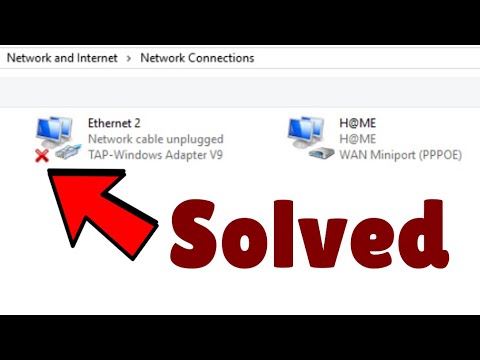
By The Geek Page Network cable unplugged error in Windows 10 11 Fix by The Geek Page
How to Fix Network Cable Unplugged Error in Windows 1011

By Tech White How to Fix Network Cable Unplugged Error in Windows 1011 by Tech White
No network, WiFi connection windows 11 and 10, code 10, wireless AC 9560 not working Fixed

By Shabd Tech Support No network, WiFi connection windows 11 and 10, code 10, wireless AC 9560 not working Fixed by Shabd Tech Support

Title: Usb to Ethernet Connector Mother Bord Ethernet Connector Not Working Problem Fix100macnitesh
Channel: Mac Nitesh
Usb to Ethernet Connector Mother Bord Ethernet Connector Not Working Problem Fix100macnitesh by Mac Nitesh
Laptop Wifi Hotspot
Laptop WiFi Nightmare? FIX Your Connection NOW!
We've all been there: staring at that dreaded WiFi icon on our laptops, a flickering signal of connection that promises everything and delivers… well, nothing. The frustration mounts with each dropped video call, stalled download, and unresponsive webpage. But before you hurl your laptop across the room, breathe. We're here to help you navigate the labyrinth of wireless connectivity and banish those WiFi woes. Let's get your laptop’s internet connection back on track.
Diagnosing the WiFi Demons: Pinpointing the Problem
The first step in conquering any WiFi nightmare is accurate diagnosis. Blindly mashing buttons and restarting your modem often leads to the same frustrating result. Instead, let's approach this systematically.
Is It Your Laptop? Start by assessing the immediate environment. Does your phone or another device connect flawlessly to your WiFi? If yes, the problem likely lies within your laptop. If other devices are also struggling, the issue may be with your router, modem, or internet service provider (ISP). Try restarting your laptop and testing the connection again. A simple restart can sometimes clear temporary glitches.
Check the WiFi Icon: The icon itself offers clues. A full signal with no internet access points to a problem with your internet connection, not necessarily your WiFi. A weak signal suggests distance, interference, or hardware limitations.
Run the Network Troubleshooter: Windows has a built-in network troubleshooter designed to identify and fix common connection issues. To access it, right-click the WiFi icon in your system tray (the bottom right corner of your screen) and select "Troubleshoot problems." This tool can automatically diagnose and attempt to resolve issues related to your network adapter, internet access, and other network settings.
Check Your Laptop's Wireless Adapter: Go to the Device Manager to get more technical details. Type "Device Manager" into the Windows search bar and open it. Expand the "Network adapters" section. Locate your wireless adapter (it will likely be named something like "Wi-Fi Adapter" or "Wireless Network Adapter"). Right-click on your adapter and select "Properties." In the "General" tab, ensure that the “Device status” says “This device is working properly.” If not, it will offer clues about the problem (e.g., driver issues).
Conquering Connection Issues: Practical Solutions
Now that you've identified the source of the problem, it's time to implement solutions. Here, we'll cover a range of fixes, from simple tweaks to more advanced adjustments.
Restart Your Router and Modem: This tried-and-true method often works wonders. Unplug both your router and modem from their power sources. Wait at least 30 seconds (preferably a full minute) to allow them to completely reset. Plug the modem back in first and wait for it to establish a connection (usually indicated by a solid "Internet" or "Online" light). Then, plug in your router and wait for it to fully boot up. Test your laptop’s connection after.
Bring Your Laptop Closer to the Router: Distance is a WiFi killer. Walls, obstacles and interference all degrade WiFi signal strength. If possible, directly position yourself closer to your router. This is the most effective way to improve your signal strength.
Update Your Wireless Adapter Driver: Outdated drivers can wreak havoc on your WiFi connection. In Device Manager, right-click on your wireless adapter, and select "Update driver." Choose "Search automatically for drivers." Windows will search for and install the latest available driver. If Windows can't find an updated driver, you can often download the latest driver from your laptop manufacturer's website or the manufacturer's website for your wireless adapter (e.g., Intel, Broadcom).
Forget and Reconnect to Your WiFi Network: Sometimes, a corrupted saved connection can cause problems. Right-click on the WiFi icon in your system tray, you will be provided with a list of available networks. Select “Network and Internet settings," and then select “manage wifi settings.” Select your WiFi network, click “Forget.” Then, reconnect to your WiFi network by entering your password again.
Change Your Router's Channel: WiFi routers broadcast on different channels. These channels can sometimes interfere with each other, causing connection problems. Access your router's configuration settings (usually through a web browser by typing your router's IP address – you can usually find this in your router's manual or by searching "how to find my router's IP address"). Look for a "Wireless" or "WiFi" section. Within that section, you should find an option to change the channel. Try switching to channels 1, 6, or 11, as these are generally less congested. Save those settings and restart your router.
Optimize Router Placement: Where you place your router can dramatically affect your WiFi coverage. Here are some suggestions:
- Elevation: Elevate your router (place it on a shelf or table rather than the floor).
- Central Location: Position the router in a central location in your home or office.
- Avoid Obstacles: Keep your router away from walls, metal objects, and appliances that can interfere with the signal.
- Orient Antennas: If your router has external antennas, experiment with different orientations (vertical, horizontal, angled) to find the best signal strength for your laptop.
Check for Interference: Other devices can also interfere with your WiFi signal. Common culprits include:
- Microwave ovens
- Bluetooth devices
- Cordless phones
- Baby monitors
Try moving your router away from these devices or turning them off temporarily to see if it improves your connection.
Advanced Troubleshooting: Diving Deeper
If the basic fixes don't resolve your issues, let's delve into some more advanced troubleshooting techniques.
Run a Network Reset: This resets your network settings to their default values, which can be helpful if you've made any incorrect configurations. Go to Settings > Network & Internet > Advanced network settings > Network Reset. Click the "Reset now" button. Keep in mind this will delete all network settings, including saved WiFi passwords, so you will need to reconnect to your WiFi networks.
Check Your DNS Settings: Domain Name System (DNS) servers translate website addresses into IP addresses. Sometimes, problems with your DNS settings can cause slow or unreliable internet access. You can try changing your DNS servers to a public DNS server, such as Google Public DNS (8.8.8.8 and 8.8.4.4) or Cloudflare DNS (1.1.1.1 and 1.0.0.1). These instructions are widely available online.
Consider a WiFi Extender or Mesh Network: If you have a large home or office, a WiFi extender or mesh network can extend your WiFi coverage to areas where the signal is weak. A WiFi extender simply repeats the WiFi signal, while a mesh network uses multiple nodes to create a seamless WiFi network throughout your space.
Contact Your Internet Service Provider (ISP): If you've exhausted all other options, the problem may be with your internet service. Contact your ISP and explain the issues you're experiencing. They can check your connection from their end and troubleshoot any potential problems.
Preventing Future WiFi Woes: Proactive Measures
Once you've fixed your current WiFi problem, it's time to implement strategies to prevent future issues.
Regularly Update Your Router's Firmware: Router manufacturers release firmware updates to improve performance, fix bugs, and enhance security. Check your router's settings for firmware updates and install them regularly.
Secure Your WiFi Network: Always use a strong password to protect your WiFi network from unauthorized access. Enable WPA2 or WPA3 encryption for the best security. Hide your network name (SSID) to make it harder for unauthorized users to find.
Monitor Your Network Traffic: Monitor your network usage to identify any devices or applications that are consuming excessive bandwidth. This can help you identify potential bottlenecks and optimize your network performance. Most routers have built-in traffic monitoring tools.
Invest in a Quality Router: A cheap or outdated router can be a significant cause of WiFi problems. Consider upgrading to a newer, more powerful router that supports the latest WiFi standards (e.g., WiFi 6 or WiFi 6E) to improve performance and range. By following these steps, you can transform your laptop WiFi nightmare into a smooth, reliable connection. Remember, patience and a systematic approach are key. And if all else fails, don't hesitate to seek professional help. Happy surfing!
