why my wireless mouse is not working in laptop

Title: What to Do If Your Computer Mouse Isnt Working recoverit wondershare pctips
Channel: Wondershare Recoverit Data Recovery
What to Do If Your Computer Mouse Isnt Working recoverit wondershare pctips by Wondershare Recoverit Data Recovery
why my wireless mouse is not working in laptop, why is my wireless mouse not working on my laptop windows 11, why does my wireless mouse not working, how to fix wireless mouse not working on laptop
Is Your Wireless Mouse DEAD? (Fix It NOW!)
My Wireless Mouse is Silent! Reviving Your Clicker from the Digital Graveyard
Picture this: you're in the zone, deep in a creative flow. Your fingers dance across the keyboard. Then, silence. The cursor, your digital lifeline, has vanished. Panic sets in. Is your wireless mouse truly dead? Don't despair. Instead, breathe. We'll troubleshoot together. This isn't the end; it's a temporary setback. Let's get that little clicker back to life.
Battery Blues: The Most Likely Culprit
First and foremost, let's tackle the obvious. Your wireless mouse functions on battery power. Often, that's the problem. Check the battery indicator. Examine the physical batteries themselves. Are they properly seated? Ensure they haven't leaked any corrosive materials inside the battery compartment. If your mouse takes rechargeable batteries, give them a full charge. Indeed, a dead battery is the most common cause of a non-responsive mouse. Consequently, it's the simplest fix.
Receiver Rumble: Is the Connection Established?
Next, let's scrutinize the connection. Wireless mice use a receiver, often a small USB dongle. To begin with, verify the receiver is securely plugged into your computer's USB port. Is the port functioning correctly? Furthermore, try a different USB port. This isolates any potential port issues. In addition, ensure the receiver isn't blocked. For example, place it away from metal objects or other electronics. These can interfere with the signal. Sometimes, the connection needs to be re-established. Many mice have a small button on the bottom. Similarly, the receiver may have one. Press both simultaneously to reconnect. Therefore, check the receiver's status light. This usually signals a successful connection.
Driver Dilemma: Can Your Computer "See" the Mouse?
Sometimes, the problem lies deeper. Perhaps, your computer’s drivers need attention. Drivers act like translators. They allow your mouse to communicate with your operating system. As a rule, drivers update automatically. However, glitches happen. To troubleshoot this, access your device manager. Search for "Mice and other pointing devices." You should see your mouse listed. Are there any error symbols? If so, right-click the mouse. Choose "Update driver." Subsequently, select "Search automatically for drivers." Alternatively, visit the mouse manufacturer's website. Download the latest drivers directly. Specifically, reinstalling the drivers often resolves connection problems.
Interference Intrigue: Wi-Fi and Other Culprits
Wireless technology is sensitive. Naturally, interference from other devices can wreak havoc. Wi-Fi routers, Bluetooth devices, and even other wireless mice can cause problems. To solve this, try moving your mouse and receiver closer together. Reduce the distance between them. Reduce the number of other wireless devices operating nearby. Similarly, experiment with different locations for your receiver. On occasions, switching to a different channel on your Wi-Fi router can help. Besides, anything emitting radio waves potentially interferes.
Surface Struggles: The Importance of a Good Surface
Believe it or not, the surface matters. Generally, optical mice use a LED light to track movement. That light reflects off the surface. However, some surfaces create problems. For example, glossy surfaces or transparent surfaces can confuse the mouse. In fact, those surfaces don't provide adequate reflection. Try using a mouse pad. Experiment with different materials. Generally, a smooth, solid-colored surface works best. In a nutshell, ensure your mouse has a clear line of sight to track your movements correctly.
Mouse Maintenance: Keeping Your Clicker Clicking
Regular maintenance can prevent future problems. Therefore, clean your mouse regularly. Dust and debris can accumulate. For example, use compressed air to clean the sensor area. In the same vein, wipe down the mouse with a soft cloth. Handle the mouse with care. Drops and impacts can damage the internal components. In short, treat your mouse well. Doing so will extend its lifespan.
Advanced Troubleshooting: When All Else Fails
Even so, the problem might persist. Consider trying your mouse on another computer. By doing this, you can isolate whether the issue is with your mouse itself or your computer. If the mouse works on another device, it indicates a software or driver problem. You could consider resetting your computer. Furthermore, check the manufacturer's website. Seek further troubleshooting steps. In the event that your mouse is under warranty, consider contacting the manufacturer for support.
The Resurrection: Bringing Your Mouse Back to Life
Ultimately, the goal is a functional mouse. In conclusion, don't give up. Work methodically through these steps. Therefore, you'll likely revive your wireless clicker. Indeed, with a little troubleshooting, you can reclaim your efficiency. Get back to what you were doing. Now, go forth and click!
Laptop to TV HDMI: FIX This Annoying Problem NOW!Is Your Wireless Mouse DEAD? (Fix It NOW!)
Hey there, fellow digital denizens! Ever been in the middle of a crucial project, lost in an epic game, or maybe just scrolling through your social media feeds when… wham! Your wireless mouse decides to take an unexpected vacation to the land of the unresponsive? We've all been there, haven't we? That moment of sheer frustration, the frantic clicking, the desperate jiggling… It's enough to make you want to throw your mouse across the room (though we strongly advise against that!). But before you resign yourself to a life of touchpad tedium, let's dive into the common culprits and, more importantly, how to bring that little clicker back to life.
1. The "Is My Mouse Really Dead?" Test: First Steps
Before we start dismantling things (unless that's your kind of fun, no judgment!), let's do a quick reality check. Is your mouse truly deceased, or just…napping? This might sound obvious, but trust us, you'd be surprised how often a simple oversight is the problem.
- The Obvious Check: Is the power switch (if your mouse has one) turned on? Sounds silly, I know, but we've all been there!
- Battery Blues: Batteries are the lifeline of wireless mice. Check the battery indicator (if your mouse has one) or, better yet, swap in a fresh set. Think of it as performing CPR on your mouse!
- Receiver Reality: If your mouse uses a USB receiver, make sure it’s securely plugged into your computer. Sometimes, a slight bump can dislodge it. Consider it a little digital hug for your mouse.
If these basic checks don't work, don't despair! We're just getting started.
2. Wireless Mouse Anatomy 101: Understanding the Connection
To understand why our mouse might be misbehaving, let's quickly recap how these little marvels connect. Most wireless mice use one of two main technologies:
- Radio Frequency (RF): This is the most common. Your mouse sends a signal to a tiny receiver plugged into your computer, much like a miniature radio station.
- Bluetooth: Bluetooth mice connect directly to a Bluetooth-enabled computer, eliminating the need for a separate receiver.
Knowing which type you have will help us troubleshoot more effectively.
3. Signal Interference: The Silent Saboteur
Think of your mouse's signal as a fragile little whisper trying to reach your computer. Now imagine that whisper being bombarded by a loud construction site: that's interference. This is a frequent source of wireless mouse woes.
Things that can interfere with the signal:
- Other Wireless Devices: Microwaves, Wi-Fi routers, other Bluetooth devices, and even other wireless mice can all cause conflicts.
- Physical Obstacles: Walls, metal objects, and even your own body can block or weaken the signal. Think of it like trying to shout through a thick blanket.
- Distance Delays: Some mice have a limited range. Getting too far from the receiver can sever the connection.
Try moving the receiver closer to the mouse. Experiment with different positions. I once had a mouse that refused to work until I moved the receiver from the back of my computer to the front – a matter of inches, but it made all the difference!
4. Bluetooth Blunders: Troubleshooting Bluetooth Mice
If you're using a Bluetooth mouse, the troubleshooting steps are slightly different.
- Pairing Problems: Make sure your mouse is paired with your computer. Go into your computer's Bluetooth settings and check if the mouse is listed as connected. If not, try re-pairing it.
- Driver Dilemmas: Bluetooth mice often require specific drivers. Check your computer's device manager and see if any drivers are missing or outdated. If you are using windows, type the following into the search bar: 'device manager'
- Bluetooth Interference: Similar to RF mice, Bluetooth can also be affected by interference. Try moving closer to the computer and minimizing other Bluetooth devices in the room.
5. The Battery Bandit: When Power Fades Away
We touched on batteries earlier, but let's delve deeper. A wireless mouse is only as good as its power source and low batteries are one of the major reasons your mouse stops performing as it should.
- Battery Type Matters: Use the correct type of batteries recommended for your mouse.
- Battery Age: While modern batteries have increased lifespans, even they have their limits. Replace old batteries with new ones.
- Rechargeable Troubles: If you use a rechargeable mouse, ensure that it's fully charged before you go to use it.
6. Cleaning Up: The Dust Bunny Disconnect
Dust, dirt, and grime… the silent enemies of your mouse's optical sensor. These particles can interfere with the mouse's ability to track movement and make it seem unresponsive.
- The Sensor's Secret: The sensor is usually located on the underside of your mouse.
- Cleanliness is Key: Use a soft, dry cloth or cotton swab to gently clean the sensor and the surrounding area. Do not use harsh chemicals or excessive force.
- Surface Situations: Make sure you're using your mouse on a suitable surface. Optical mice struggle on transparent surfaces, like glass.
7. Driver Drama: The Software Side of Things
Drivers are software programs that allow your mouse and computer to communicate. Outdated or corrupted drivers can cause all sorts of issues.
- Driver Detective Work: Go to your computer's device manager (again) and look for your mouse. If you see a yellow exclamation mark, it means there's a driver problem.
- Driver Download Delight: You can update your drivers by visiting the manufacturer's website and downloading the latest version. Sometimes, Windows can automatically update the drivers too.
- Restart Remedy: After updating your drivers, restart your computer for good measure.
8. USB Port Puzzles: Exploring Connectivity
Sometimes, the problem isn't the mouse, but the port you're plugging the receiver into.
- Port Proficiency: Try plugging the receiver into a different USB port on your computer. Some ports may have problems, or be configured differently.
- USB Hub Hurdles: If you're using a USB hub, try connecting the receiver directly to your computer. USB hubs can sometimes introduce connectivity issues.
- Power Problems: Make sure the USB ports are properly powered. Some ports might disable themselves to save power, especially on laptops.
9. Software Conflicts: The Digital Dust-Up
Software conflicts can sometimes interfere with your mouse's functionality.
- Background Barrage: Close any unnecessary programs running in the background. They can sometimes compete for system resources.
- Anti-Virus Antics: Occasionally, anti-virus software can interfere with mouse functions. Temporarily disable your anti-virus program (but be careful!) to see if that's the issue.
- System Specifics: Occasionally, software issues can also be related to the overall operating system of your device. Ensure it's fully up to date.
10. The Receiver's Reliability: A Delicate Device
The USB receiver is the bridge between your mouse and your computer. If the bridge is damaged or malfunctioning, your mouse won't work.
- Physical Inspection: Carefully examine the receiver for any visible damage. Bent pins or cracks are a bad sign.
- Testing Techniques: If you have another wireless mouse with a comparable receiver, try swapping it out. If your mouse then works flawlessly, it's safe to say the previous receiver was the culprit.
- Replace or Repair: If the receiver is damaged, you might need to replace it. Check your mouse manufacturer's website for replacement options.
11. Mouse Surface Matters: The Importance of a Good Surface
The surface you use your mouse on can significantly impact its performance; it should be even and smooth.
- The Right Stuff: A proper mousepad is a great investment. Hard-surface mousepads are great for gamers.
- Surface Sensitivity: Avoid using your mouse on shiny or reflective surfaces.
- Material Match-up: The optical sensor in many mice works best on matte surfaces. Glass can present a problem.
12. Hardware Hiccups: Is Your Mouse Broken?
Sometimes, despite our best efforts, the problem is not fixable through these methods. Your mouse might have hardware damage.
- Button Blues: Are all the buttons on your mouse unresponsive, or just one? If a specific button stopped working, it is likely hardware-related.
- Scroll Wheel Woes: If the scroll wheel isn't working, it could be a sign of internal damage.
- Warranty Woes: If your mouse is under warranty, contact the manufacturer for repair or replacement options.
13. The Mouse's Manufacturer: Seeking Support
Sometimes, you need a little help from the experts.
- Website Wisdom: Visit the manufacturer's website for support articles, troubleshooting guides, and contact information.
- Support Channels: Many manufacturers offer email, phone, or chat support.
- Community Concerns: Check online forums and communities dedicated to your mouse's brand. Other users might have experienced the same problem and found a solution.
14. The Ultimate Mouse Reset
Laptop Hands-Free Disaster? This SHOCKING Fix WORKS!How To Fix Wireless Mouse Not Working on Windows 10

By TechEpu How To Fix Wireless Mouse Not Working on Windows 10 by TechEpu
How to fix wireless mouse not working on windows 10
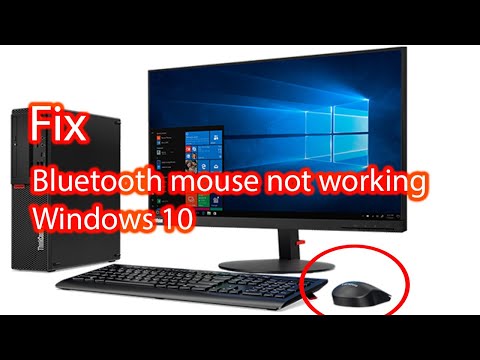
By IT Magics How to fix wireless mouse not working on windows 10 by IT Magics
Fix Mouse Wireless disconnect not working

By Easy Way Fix Mouse Wireless disconnect not working by Easy Way

Title: How To Fix External USB Mouse Doesn't Work on Laptop Solution
Channel: Edmund Mindaros
How To Fix External USB Mouse Doesn't Work on Laptop Solution by Edmund Mindaros
My Laptop Work
Is Your Wireless Mouse DEAD? (Fix It NOW!)
The cursor freezes. The scroll wheel sputters. The once-reliable pointer, the extension of your digital will, has become an unresponsive brick. The dreaded question echoes in the silence of your workstation: is your wireless mouse dead? Before you resign yourself to a frustrating workday and the potential expense of replacement, breathe easy. More often than not, the issue isn't a fatal one. This guide will help you troubleshoot and revive your cherished wireless mouse, getting you back to clicking and swiping with seamless precision. We'll explore the common culprits and provide step-by-step solutions to restore your device to its former glory.
Battery Blues: The Most Common Culprit
Let's begin with the obvious: the battery. Wireless mice depend on a reliable power source. A depleted battery is the single most frequent cause of mouse malfunction.
Examine the battery indicator on your mouse. Does it illuminate, flicker, or remain stubbornly dark? If the indicator is telling you that the battery is depleted, the solution seems straightforward: Replace the batteries. Many wireless mice use standard AA or AAA batteries. Replace the current batteries with fresh ones. If you are using rechargeable batteries, make sure they're fully charged and properly installed. The type of battery usage is often displayed in the mouse's manual. The power source will often be displayed on the underside of the mouse to help you find the right power source for replacement.
After replacing the batteries, observe the behavior of the mouse. Does the cursor now move freely? If so, congratulations! You've successfully resurrected your mouse. If the problem persists, proceed to the next troubleshooting step.
Connection Conundrums: Establishing a Solid Link
A wireless mouse's functionality hinges on a strong and stable connection to your computer. Interference, physical obstructions, and outdated drivers can all disrupt this vital link.
- Check the USB Receiver: Most wireless mice utilize a small USB receiver that plugs directly into your computer. Ensure this receiver is securely plugged into a USB port. Try different USB ports. Sometimes, a malfunctioning or incompatible USB port can hinder connectivity. Furthermore, make sure the USB receiver isn't blocked by anything. Metallic objects and other electronic devices can interfere with the radio frequency signals. Relocating the receiver or removing potential sources of interference could immediately solve your connection issues.
- Distance Matters: Wireless mice operate within a specific range. Ensure the mouse remains within the operational distance specified by the manufacturer. Moving the mouse closer to the receiver can often re-establish a connection.
- Restart Your Computer: A simple restart can often resolve temporary software glitches or driver conflicts that might be interfering with mouse function. Rebooting your system can refresh the device's connection and resolve a variety of underlying issues.
- Re-Pairing Your Mouse: Some mice require re-pairing with the USB receiver. This is usually done by pressing a button on both the mouse and the receiver. Consult your mouse's user manual for specific instructions on how to re-pair your device. Instructions can be found in the troubleshooting section.
Driver Dilemmas: Software's Role in Mouse Malfunction
Your computer's operating system relies on device drivers to communicate with your hardware. Outdated, corrupted, or missing drivers can lead to erratic mouse behavior.
- Update Your Mouse Drivers: The first step is updating your mouse's drivers. The easiest method is through the Windows Device Manager. Search for "Device Manager" in the Windows search bar. In Device Manager, locate your mouse (it might be listed as "HID-compliant mouse" or something similar). Right-click on the mouse and select "Update driver." Choose the option to automatically search for updated driver software. Windows will then search for the most recent available drivers online and install them automatically.
- Reinstall Your Mouse Drivers: If updating the drivers doesn't work, try reinstalling them. In the Device Manager, right-click on your mouse and select "Uninstall device." Then, restart your computer. Windows will automatically attempt to reinstall the drivers upon restart.
- Manufacturer's Software: Some manufacturers provide proprietary software that enhances their mouse's functionality. Check the manufacturer's website to see if there's software available for your specific mouse model. Installing this software can often resolve driver-related issues.
Physical Obstacles and Inspection: A Hands-On Approach
Sometimes, the solution to your wireless mouse woes lies in a physical inspection.
- Clean the Optical Sensor: Wireless mice, particularly optical mice, use an optical sensor to track movement. Dust, debris, or hair can accumulate on this sensor and impair its performance. Turn the mouse upside down and carefully examine the underside. Use a can of compressed air or a soft, lint-free cloth to clean the sensor area.
- Inspect the Mouse Buttons and Scroll Wheel: Check the physical buttons and scroll wheel for any obstructions or physical damage. These components can sometimes become jammed or sticky, leading to erratic behavior. If you notice a foreign object, try dislodging it.
- Test on Different Surfaces: The surface upon which you're using your mouse can impact its performance. Some mice struggle with certain materials. Experiment with your mouse on other surfaces, such as a different mouse pad or a sheet of paper.
- Examine the Mouse for Physical Damage: Check the mouse for any visible signs of wear and tear, such as cracks, loose parts, or damage to the buttons or scroll wheel. If you detect any physical damage, that could be the reason for your mouse's malfunctioning.
Interference and Compatibility: Navigating the Digital Landscape
Wireless devices can be susceptible to interference from other electronic devices that use the same radio frequencies.
- Reduce Interference: Other Bluetooth devices, Wi-Fi routers, and even other wireless mice can interfere with the signal of your mouse. Try moving your mouse receiver further away from these devices.
- Check for Bluetooth Interference: Bluetooth devices can generate interference. Disable or disconnect any unnecessary Bluetooth devices near your computer. This can sometimes resolve connectivity issues.
- Compatibility Considerations: Ensure your wireless mouse is compatible with your operating system. While most modern wireless mice are widely compatible, older mice might have limitations. Check the mouse's specifications or the manufacturer's website for compatibility information.
Troubleshooting Advanced Issues
If these initial steps don't resolve the problem, it's time to venture into some more advanced troubleshooting strategies.
- Test on Another Computer: The simplest way to determine if the problem is with your mouse or your computer is to test the mouse on another computer. If the mouse works fine on another computer, the issue is likely with your computer's hardware or software. If the mouse still malfunctions, the problem is probably with the mouse itself.
- Check Power Saving Settings: Your computer's power saving settings might be affecting your mouse's performance.
- Go to Control Panel, click on "Hardware and Sound," and then click on "Power Options."
- Check the current power plan and see if it has any settings that might affect USB device power.
- Click on "Change plan settings" next to the power plan you are using, then click on "Change advanced power settings."
- Expand "USB settings" and then "USB selective suspend setting." Make sure the setting is disabled. This will prevent your mouse from going into a power-saving state.
- Contact the Manufacturer: If you've exhausted all other options and your mouse is still not functioning correctly, it might be time to contact the manufacturer's support. They may be able to provide further troubleshooting steps or offer a solution, such as a repair or a replacement.
Prevention is Key: Maintaining Long-Term Reliability
Once you've successfully revived your wireless mouse, it's essential to take steps to prevent future problems.
- Use a Quality Mouse Pad: A good-quality mouse pad provides a smooth surface for your mouse to track on. This can reduce strain on the mouse sensors and improve responsiveness.
- Clean Your Mouse Regularly: Cleaning the mouse can remove dust and grime that can impair the performance of the mouse over time. Clean the sensor area and the mouse's exterior.
- Store Your Mouse Properly: When not in use, store your mouse in a safe place to protect it from damage. Avoid dropping it or exposing it to extreme temperatures or humidity.
- Consider the Battery Types: If your mouse uses batteries, use high-quality batteries and replace them regularly. Avoid leaving depleted batteries in the mouse for long periods as they can leak and damage the device.
By systematically troubleshooting your wireless mouse, you can often identify and resolve the issues that are causing it to malfunction. From simple battery replacements to more complex driver updates and physical inspections, this guide provides a comprehensive approach to keeping your mouse alive and functioning at its best. Don't let a dead mouse disrupt your workflow. Follow these steps, and you'll be back to productive clicking in no time.
