disk reader not working laptop

Title: CDDVD Drive Is Not Detected in Windows 10
Channel: TechFixIT
CDDVD Drive Is Not Detected in Windows 10 by TechFixIT
Laptop Disk Reader Dead? 😱 FIX IT NOW!
Laptop Disk Reader Dead? 😱 Don't Panic! Revive Your Machine
Let's face it; your laptop's disc reader—that once-prized, now-questionable component—has thrown in the towel. The dreaded silence. The unresponsive tray. The heart-stopping realization: your digital library or, even worse, essential data, might be inaccessible. But hold that thought! Before you begin envisioning your laptop as a glorified paperweight, take a deep breath. You're not alone. And, generally, there are solutions. Sometimes, it is an easy fix. Other times, it demands a little more finesse. But, always remain optimistic!
Is It Truly Dead? Deciphering the Symptoms
Before we jump into the fix-it-now mode, we should first understand the nature of the beast. What exactly are you experiencing? Is the drive completely unresponsive? Does the tray fail to eject? Does it attempt to read a disc but ultimately fail? Each symptom directs us toward a different troubleshooting path.
Therefore, begin with the basics. Ensure the laptop is correctly powered. Believe it or not, a dying battery can disrupt basic functions. Also, inspect the disc itself. Is it scratched or damaged? Try a different disc. Moreover, is the drive even recognized by your operating system? Navigate to your file explorer. You should be able to see the drive listed. If you don't see it, then there might be a deeper problem. If you do, it narrows the possibilities. Also, try restarting your laptop. Sometimes, a simple reboot works wonders.
Software Shenanigans: Addressing Potential Conflicts
Software plays a significant role in how your laptop functions. Thus, conflicts can arise. They can cause your drive to act up. Sometimes, the issue stems from the operating system. Outdated drivers, for instance, can cause problems. These are the digital instructions that allow your computer to communicate with hardware.
So, how do you address this? Well, first, access your device manager. You can usually find it by searching in your Windows search bar. Alternatively, right-click on the Start button and select "Device Manager." Look for your CD/DVD drive under "DVD/CD-ROM drives." If you see a yellow exclamation mark beside it, there’s a driver issue. Right-click on the drive and select "Update driver." Windows should automatically search for and install an updated driver.
Furthermore, consider the software you've recently installed. Could there be any conflicts? Maybe a program is interfering with the drive’s operation. Try uninstalling any suspect software. After each step, test the drive. These often work. If those steps do not work, then consider moving to the next area.
Hardware Hurdles: Exploring Physical Possibilities
Now, let's delve into the hardware side of things. It is not always a software glitch. Sometimes, the problem is the device itself. Over time, internal components can fail.
First, consider a physical obstruction. Has anything gotten lodged in the drive? Dirt, dust, or even a small object can prevent the tray from ejecting or cause reading errors. Try using a can of compressed air (held upright) to gently clean the drive. Blow around the tray area and the disc’s insertion slot.
Likewise, be gentle. Forcing anything can worsen the issue. If the drive is still malfunctioning, there might be a loose connection. This is, however, slightly more advanced. If you’re comfortable doing so, you can open your laptop and inspect the drive’s connection to the motherboard. But you must proceed with caution. Disconnect the power first. Refer to your laptop's manual for detailed instructions. If you're not comfortable with this, then don't do it.
External Options: Finding Solutions Elsewhere
Finally, if internal solutions have failed, let’s look at external options. While the laptop's internal drive is unresponsive, there are alternatives. It doesn’t necessarily mean the end of your disc-reading days.
Importantly, consider an external disc drive. These drives connect to your laptop via USB. They are relatively inexpensive. Plus, they are easy to set up. Simply plug it in. The operating system should recognize it automatically. This gives you an immediate workaround.
Also, consider transferring the content. Perhaps the disc itself contains important files. If the internal drive remains nonfunctional, explore the use of another computer. Sometimes, it is possible to copy the content there. Then, transfer it back to your laptop. This is a practical solution.
The Final Verdict: Restoration and Recovery
So, what's the ultimate takeaway? Do not despair if your laptop’s disc reader encounters problems. In most cases, solutions exist. From basic fixes to software tweaks and external drives, there is always a path forward. Remember to diagnose the problem carefully. Consider the steps we’ve covered. Be patient and persistent. And, most importantly, back up your data regularly. Then, you minimize the potential for future heartache. Now, go forth and conquer that disc reader! You can do it!
Wipe Your Work Laptop CLEAN: The Ultimate Guide (Before IT Notices!)Laptop Disk Reader Dead? 😱 FIX IT NOW!
Alright, let's be honest. Finding your laptop's disk reader – whether it's a built-in CD/DVD drive, an external hard drive, or even an SD card reader – suddenly giving up the ghost is like discovering your favorite coffee shop is out of your go-to latte. Panic sets in! We rely on these little workhorses for everything from accessing essential files to reliving cherished memories with home videos. So, what do you do when the dreaded "disk reader dead" message pops up? Don't worry, we've all been there. And luckily, there's a good chance we can get you back on track without resorting to tech wizardry. This article is your survival guide. We'll walk through the potential culprits, the DIY fixes, and – if things get really hairy – when it's time to call in the cavalry (that is, a professional).
1. The Silent Treatment: Understanding Why Your Disk Reader Gave Up
Before we start frantically hitting buttons, let's understand the enemy. A dead disk reader isn't always a sign of a hardware apocalypse. Sometimes, the issue is as simple as a software glitch or a loose connection. We need to play detective and consider the likely scenarios:
- Hardware Failure: This is the worst-case scenario, but thankfully, not the most common. It means the physical components inside the reader have given up the ghost.
- Driver Problems: Think of drivers as the translators between your computer and the hardware. Corrupted, outdated, or missing drivers can make your disk reader invisible.
- Connection Issues: If you’re using an external drive, a loose USB cable or a faulty port could be the problem. For internal readers, it could be a loose connection inside your laptop. (This usually involves opening up your laptop, which isn't always a walk in the park!)
- Software Conflicts: Sometimes, software programs can interfere with how your disk reader functions.
- Physical Damage: Accidental bumps, spills, or drops can wreak havoc on any delicate piece of technology.
2. Checking the Obvious: Quick Fixes Before We Get Serious
Okay, before we dive into technical territory, let's tackle the low-hanging fruit. These quick checks could save you a ton of time and frustration:
- Restart Your Laptop: I know, I know, it sounds cliché, but a simple reboot often works miracles. It's like giving your computer a fresh start, clearing out temporary glitches.
- Check the Physical Connection (External Drives): Make sure the USB cable is securely plugged into both your laptop and the external drive. Try a different USB port. It's amazing how often this solves the problem!
- Clean the Disk: If you’re using a CD or DVD, give it a quick once-over with a soft cloth. Dust and fingerprints can interfere with readability. Imagine trying to read a book through a smudged pair of glasses.
- Check the Disk Itself: Is the disk scratched or damaged? Sadly, a damaged disk is often unreadable.
3. Diving Deeper: Troubleshooting Driver Issues
If the simple fixes didn't work, it's time to investigate your drivers. Think of drivers as the communication channels between your laptop and the disk reader. If the channel is blocked or the language is corrupted, the reader won't work.
- Open Device Manager: This is where you can see all the hardware connected to your laptop and check their status. (Search "Device Manager" in your Windows search bar.)
- Look for Errors: In Device Manager, look for any devices with a yellow exclamation mark or a red cross. These indicate a problem.
- Update Drivers: Right-click on your disk reader (it might be listed as "CD-ROM drive," "DVD drive," or something similar) and select "Update driver." Windows will try to find and install the latest drivers automatically.
- Uninstall and Reinstall Drivers: If updating doesn't work, try uninstalling the driver and then restarting your laptop. Windows will usually reinstall the driver automatically. (Right-click and select "Uninstall device.")
4. Software Conflicts: The Invisible Enemy
Sometimes, other software programs can interfere with the disk reader's functionality.
- Close Unnecessary Programs: Close any programs that might be using the disk reader, like media players or virtual drive software.
- Antivirus Software: Some antivirus programs can sometimes flag disk readers as a security risk. Try temporarily disabling your antivirus software to see if that resolves the issue. (Remember to re-enable it afterward, of course!)
5. External Drives: Checking the Power Supply and Cables
If you're dealing with an external disk reader, the power supply and the USB cable are prime suspects.
- Test the Power Supply: If your external drive has its own power adapter, make sure it's plugged in securely and that the power outlet is working.
- Try a Different Cable: USB cables can sometimes fail. Try a different cable to see if that resolves the problem.
- Test on Another Computer: Plug the external drive into a different computer. If it works there, the problem is likely with your original laptop.
6. Internal Disk Reader: Inspecting the Hardware
Disclaimer: This section involves potentially opening up your laptop. If you're not comfortable with this, or if your laptop is still under warranty, consider seeking professional help.
- Turn Off and Unplug: Before you do anything, turn off your laptop and unplug the power adapter.
- Consult Your Laptop's Manual: Your laptop's manual should provide instructions on how to access the internal components, including the disk reader.
- Check the Connections: Carefully inspect the connections between the disk reader and the motherboard. Sometimes, a loose cable is all it takes.
- Look for Physical Damage: Check for any signs of physical damage to the disk reader itself (e.g., broken parts, burnt components).
7. Running Diagnostic Tests: Unmasking the Culprit
Many laptops come with built-in diagnostic tools. These can help you identify hardware problems.
- Check Your Laptop's Documentation: Consult your laptop's manual to find out how to access the diagnostic tools.
- Run a Hardware Test: Run a test that specifically checks the disk reader. This can help confirm whether the hardware is faulty.
8. The Backup Plan: Data Recovery Strategies
If your disk reader is dead and you have important data on a CD, DVD, or external drive, don't panic! There are still options.
- Data Recovery Software: There are various data recovery software programs available that can sometimes retrieve data from damaged disks or drives. (Do your research and choose a reputable program.)
- Professional Data Recovery Services: If your data is critical, consider using a professional data recovery service. They have specialized tools and expertise.
9. When To Call the Professionals: You've Reached Your Limit
Sometimes, no matter how hard we try, the problem is simply beyond our capabilities. Here are the signs that it's time to call in the cavalry:
- Hardware is Defective: If you suspect the hardware is physically damaged or the driver is corrupted.
- Data is Critical: If you have irreplaceable data on the disk.
- You're Uncomfortable Opening Your Laptop: As we mentioned before, if you're not comfortable poking around inside your laptop, don't risk it!
10. Preventing Future Disk Reader Failures: Proactive Measures
Let's be proactive! Preventing future problems is always better than fixing them.
- Handle Disks with Care: Avoid scratches, fingerprints, and extreme temperatures.
- Keep Your Drivers Updated: Regularly update your drivers to ensure compatibility and performance.
- Use a Surge Protector: Protect your laptop from power surges.
- Back Up Your Data Regularly: This is the single most important thing you can do. Back up your data to an external drive, cloud storage, or both. It's like an insurance policy for your digital life.
11. Laptop's Disk Reader Refusal: The Hardware Angle
Okay, let's delve a bit deeper into the hardware side of things. As we've mentioned, a dead disk reader could be due to internal issues within the drive itself. But what exactly can go wrong?
- Laser Diode Failure: The laser diode is responsible for reading the data on the disk. Like any electronic component, it can burn out over time.
- Motor Failure: The motor spins the disk. If the motor fails, the disk can't be read.
- Mechanical Issues: The mechanical components, like the tray mechanism, can jam or break.
- Electronics Problems: Various electronic components within the drive can malfunction.
12. The BIOS Blues: Checking for Disk Reader Recognition
Sometimes, the problem isn't with the operating system but with the BIOS (Basic Input/Output System). The BIOS is the low-level software that starts your computer.
- Access the BIOS: When your laptop starts, there's usually a specific key you need to press to enter the BIOS setup (e.g., Del, F2, F12). The key will show momentarily during the initial startup.
- Check the Boot Order: Make sure your disk reader is listed in the boot
CD DVD Drive Not Reading Discs in Windows 10 11 Fixed

By Tips Howto CD DVD Drive Not Reading Discs in Windows 10 11 Fixed by Tips Howto
How to clean an optical CD DVD drive that is not reading disks anymore
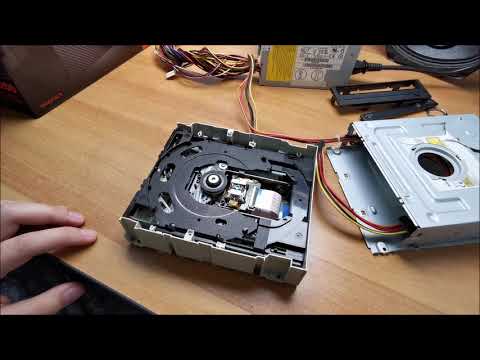
By Ultimate DIY How to clean an optical CD DVD drive that is not reading disks anymore by Ultimate DIY
DVD CD-ROM drives not showing in device manager fix DVD drive not listed in device manager

By troubleshooterrors DVD CD-ROM drives not showing in device manager fix DVD drive not listed in device manager by troubleshooterrors

Title: DesktopPC CD Drive Not Working Problem CD Drive onOff Button Not Workingmacnitesh2023shorts
Channel: Mac Nitesh
DesktopPC CD Drive Not Working Problem CD Drive onOff Button Not Workingmacnitesh2023shorts by Mac Nitesh
Wifi On Laptop Phone
Laptop Disk Reader Dead? 😱 FIX IT NOW!
It's a digital heart attack. Your laptop's disk reader, the gateway to your files, the keeper of your memories, has flatlined. The screen flickers with frustration, the operating system stutters, and a cold dread creeps in: data loss. But before you resign yourself to despair, understand this: a dead disk reader doesn’t automatically equate to data oblivion. There are steps you can take, diagnostics to run, and potential solutions to implement. We're here to walk you through them. Let's bring your laptop back to life.
Diagnosing the Disaster: Unraveling the Symptoms
Before leaping into solutions, accurate diagnosis is paramount. A misdiagnosis can lead to wasted time, and potentially, further damage. Observe the symptoms. They offer crucial clues.
The Silent Treatment: The most obvious sign is a complete failure to read the disk. The laptop attempts to boot, the drive spins up (or fails to), and then…nothing. No operating system, no files, just a cursor blinking in silent judgment. This can indicate a hardware malfunction within the disk reader itself or a corrupted boot sector on the hard drive.
Clicking, Grinding, or Whirring Sounds: These mechanical noises are often the death knell of a hard drive. Clicking suggests the read/write heads are struggling to find and access data. Grinding hints at a head crash, where the heads are physically scraping against the platters. Whirring, particularly accompanied by erratic behavior, can indicate a failing spindle motor. Immediately cease any further attempts to access the disk if you hear these noises. Continued operation can severely worsen the damage and make data recovery significantly more difficult, maybe impossible.
Blue Screen of Death (BSOD) or System Freezes: These can be caused by a drive error when your system attempts to read from a damaged sector. The BSOD will likely include an error message, often pointing to a device or a driver issue related to the disk. Repeated freezes or crashes during boot-up, even before the operating system fully loads, point toward a hardware problem.
File Corruption and Data Loss: If you can access the drive, but files are missing, corrupted, or unreadable, the disk reader is likely experiencing issues. This symptom demands immediate action. Back up any accessible data immediately if possible.
BIOS/UEFI Recognition Issues: Check your laptop’s BIOS or UEFI settings during startup. If the drive is not recognized at this fundamental level, the problem is likely hardware related. Test to isolate the drive from the mainboard to rule out a possible short.
Troubleshooting Tactics: Initial Steps You Can Take
Now that we have a basic understanding of possible symptoms, let’s move on to possible remedies. Before resorting to invasive procedures, try these initial troubleshooting steps. These are often simple, but can occasionally resolve the problem.
Restart and Retry: The oldest trick in the book, but surprisingly effective. Restart your laptop. Sometimes, a temporary software glitch, a minor process error, can cause the disk reader to malfunction. A simple restart often clears this. Try booting into Safe Mode, which loads with a minimal set of device drivers and services. This can help determine if a software conflict is the cause.
Check Connections: For laptops with removable hard drives, carefully remove the drive (following your laptop's manual instructions). Inspect the connection cables. Ensure they are securely connected into the motherboard. Re-seat the drive. Look for any physical damage to the cables or connectors. For external hard drives, try a different USB port and a different USB cable.
Run Hardware Diagnostics: Many laptops come with built-in hardware diagnostic tools, accessible during startup. Access the BIOS or UEFI settings (usually by pressing Del, Esc, F2, or F12 repeatedly during startup - your laptop manual will have specifics), and look for a diagnostics section. Run a full disk diagnostic. The results will provide valuable information about the disk's health.
Update Drivers: Outdated or corrupted drivers can sometimes cause disk reader issues. Boot into Safe Mode (which will allow you to bypass any driver conflicts) and try updating the storage controller drivers from your laptop manufacturer's website.
Deep Dive: Advanced Solutions and Data Recovery
If initial steps fail to revive your disk reader, it’s time for an in-depth examination and more aggressive solutions, beginning with data recovery.
Data Recovery First: Before attempting any further manipulation or repairs, prioritize data recovery. The longer the drive is powered on with issues, the greater the risk of data loss. If access to the drive is still possible, even intermittently, attempt to back up your data immediately. Use specialized data recovery software on another computer to attempt access to extract data.
Test the Drive on Another System: If possible, remove the hard drive from your laptop (if applicable) and connect it to another computer using an external enclosure or an adapter. This helps determine if the issue is with the drive itself or with your laptop’s motherboard. If the drive works on another system, the problem lies within your laptop’s hardware.
Check the Disk Health: Use tools designed for disk health monitoring. These tools can provide SMART (Self-Monitoring, Analysis, and Reporting Technology) data, which offers insights into the drive's health and potential failures. Programs such as CrystalDiskInfo or HD Tune can analyze the drive’s health. Pay attention to warnings about bad sectors, read/write errors, or pending sector reallocations. These are critical indicators of impending drive failure.
Low-Level Formatting (Use with extreme Caution): This procedure rewrites the entire surface of the hard drive, potentially fixing bad sectors. However, it's extremely time-consuming and can lead to complete data loss if not done correctly, or, if the problem is very serious, can make the problem worse. Consider this a last resort, and only after backing up any recoverable data. This is typically done for the purpose of trying to fix bad sectors.
Professional Help: For hardware issues like clicking sounds or drives that are not recognized, it is highly recommended that you seek professional assistance from data recovery specialists. They have specialized equipment and expertise to recover data from damaged hard drives in clean room environments. Attempting DIY repairs on a mechanically failing drive can often worsen the damage and reduce the chances of successful data recovery, and also lead to additional financial costs.
Replacing the Disk Reader: The Hardware Solution
If the diagnosis points to a definitive hardware failure, replacement becomes the primary solution. This can be as simple as replacing the drive itself or, in some cases, requires more complex repairs.
Replacing the Hard Drive/SSD: For most laptop disk reader failures, this is the most common and straightforward solution. Purchase a new hard drive or SSD, compatible with your laptop model (check the specifications in your laptop's manual). Follow the instructions in your laptop’s manual to remove the old drive and install the new one.
Reinstalling the Operating System: After installing a new hard drive, you'll need to reinstall the operating system. This usually involves creating a bootable USB drive or using recovery media from your laptop manufacturer. Back up any essential data on the machine before reinstalling the operating system.
Consider SSD Upgrades: Solid-state drives (SSDs) offer faster boot times, application performance, and overall system responsiveness compared to traditional spinning hard drives. If you're replacing your disk reader, consider upgrading to an SSD for a performance boost.
Laptop Motherboard Issues: In rare cases, the problem may reside within the laptop's motherboard itself (the part that holds other essential computer components.) This can manifest as a failure to detect the drive and can be caused by a broken circuit or a general hardware failure. In such instances, it is best to consult a qualified repair technician.
Preventative Measures: Protecting Your Disk Reader
Preventing future disk reader failures is an ongoing process. Here are some critical preventative measures:
- Regular Backups: The single most effective measure. Back up your data regularly, ideally using both local backups (external hard drive or network-attached storage (NAS)) and cloud backups.
- Proper Shutdown: Always shut down your laptop properly through the operating system. Avoid abruptly cutting power by holding the power button unless absolutely necessary, as it can increase the risk of file corruption and hard drive errors.
- Avoid Extreme Temperatures: Heat is the enemy of hard drives. Do not leave your laptop in direct sunlight or in extremely hot environments. Ensure sufficient airflow to prevent overheating and drive malfunction.
- Defragmentation (Hard Drives Only): For traditional hard drives, periodic defragmentation can improve performance and extend their lifespan. However, SSDs do not require defragmentation and can even be damaged by excessive defragmentation.
- Monitor Disk Health: Keep an eye on your hard drive's health using the tools mentioned above. Early detection and action can prevent more serious issues.
- Software Hygiene: Regularly remove unused files and applications to keep your system running smoothly. This frees up space on your disk and reduces the amount of data the disk reader needs to access.
A dead disk reader is undoubtedly distressing. However, by following the steps outlined we have discovered, you can diagnose the problem, attempt solutions, and, most importantly, safeguard your precious data. Remember, proactive measures, along with an understanding of the diagnosis, are key to a successful recovery.
