asus laptop touchpad scroll not working windows 8

Title: How To Fix Touchpad Mouse Not Working on ASUS Laptop
Channel: Media Creation Club
How To Fix Touchpad Mouse Not Working on ASUS Laptop by Media Creation Club
**ASUS Laptop Touchpad Scroll Nightmare? (Solved!)**
ASUS Laptop Touchpad Scroll Hell: Taming the Beastly Scroll!
Have you ever battled your ASUS laptop's touchpad? I understand. It can feel less like a precision tool and more like a chaotic, uncontrollable force. That erratic scrolling? The phantom clicks? It's a common headache. Fortunately, we can fix it. Let’s conquer this digital demon.
The Scroll That Wouldn't Behave: The Problem Unveiled.
Many ASUS laptop users face a frustrating reality. The touchpad scroll behaves erratically. It can zoom in when you want to scroll. The cursor jumps randomly. This makes navigation a chore. Consequently, productivity plummets into the abyss. Moreover, the problem's source often remains hidden. The touchpad drivers could be misbehaving. Maybe the settings got tweaked inadvertently. Perhaps the hardware itself is the culprit. Regardless, the result is the same: a maddening user experience.
Driver Detectives: Unmasking the Touchpad’s Hidden Culprits.
The first step is typically driver verification. Drivers are essential software bridges. They allow your hardware to communicate. Outdated or corrupted drivers can wreak havoc. Therefore, we'll start with a driver update.
- Access the Device Manager: Right-click on the Windows Start button. Select "Device Manager." This hub displays all connected hardware.
- Locate the Touchpad: Expand the category “Mice and other pointing devices.” You should see your touchpad listed. Subsequently, the name may vary; look for something similar to "ASUS Smart Gesture" or "HID-compliant mouse."
- Update the Driver: Right-click the touchpad device. Then, select "Update driver." Choose "Search automatically for drivers." Windows will search for the latest version.
- Restart and Retest: Afterward, restart your laptop. Test the scrolling functionality. If the issue persists, move on. We haven’t given up.
Tweaking the Settings: Fine-Tuning Your Touchpad.
Sometimes, the solution lies within. Your touchpad’s settings panel offers a wealth of customization. For example, you can adjust scrolling sensitivity and other parameters.
- Open Touchpad Settings: There are a few ways to access these settings. You can use the Windows search bar. Search for "Touchpad settings."
- Explore the Menu: Look for options related to "Scrolling" or "Gestures." Then, experiment with the sensitivity settings. Reduce the scrolling speed if it’s too fast.
- Disable Unwanted Gestures: Consider disabling gestures you don't use. Often, this simplifies the interaction. For instance, two-finger scrolling might be disabled for testing. See if this helps.
- Test and Adjust: Hence, make adjustments and test frequently. Find the sweet spot that works. The settings depend on your preference.
Hardware Hurdles: Checking Physical Components.
Occasionally, the problem is physical. A dirty touchpad or even a hardware malfunction can impair functionality. Let’s investigate further.
- Clean the Touchpad: Use a soft, lint-free cloth. Gently wipe the touchpad surface. Therefore, remove any dirt or debris. Avoid using harsh chemicals.
- Check for Obstructions: Ensure nothing blocks the touchpad surface. Also, look for any physical damage. A damaged surface can cause issues.
- Consider External Factors: Sometimes, the problem is external. For example, a nearby magnetic field could interfere. Moreover, a faulty power adapter can cause interference.
Advanced Troubleshooting: Digging Deeper for Answers.
If the standard methods failed, don't despair. We still have avenues to explore.
- Reinstall the Driver: In Device Manager, uninstall the touchpad driver. Restart your laptop. Windows will automatically reinstall it. This can resolve corruption issues.
- Roll Back the Driver: If a recent driver update caused the problem, roll back. In Device Manager, right-click the driver. Select "Properties." Then go to the "Driver" tab. Click "Roll Back Driver."
- Check for Software Conflicts: Occasionally, another program interferes. Consider uninstalling any recently installed software. See if this improves the scrolling.
- Run Diagnostic Tests: Some ASUS laptops offer built-in diagnostic tools. Furthermore, these tests can identify hardware problems. Consult your user manual for details.
The Ultimate Triumph: Achieving Seamless Scrolling.
You're now equipped to conquer your ASUS laptop's scrolling woes. By following these steps, you should find a solution. Remember patience is key. In addition, experimentation is essential. Even though it can be frustrating, a working touchpad is achievable. Because fixing this problem will ultimately enhance your productivity. Finally, if all else fails, contact ASUS support. They will provide specialized help. Happy scrolling!
2020's BEST Laptop for Work? (You WON'T Believe #3!)ASUS Laptop Touchpad Scroll Nightmare? (Solved!)
Oh boy, do I get it. That sickening moment when you're trying to scroll through a website, a document, or even your email, and your ASUS laptop's touchpad just… rebels. It jumps, it sputters, it scrolls the wrong way, or worse – it doesn't scroll at all! It's a digital demon, a miniature mutiny in your fingertips. We’ve all been there, right? It can turn a simple task into a frustrating fight. But hey, don’t throw your laptop across the room just yet! We're going to unravel this “ASUS touchpad scroll nightmare” together, turning that frustration into a flicker of triumph. This is more than just a fix; it's reclaiming control!
1. The Scroll Struggle: Why Is My ASUS Touchpad Acting Up?
Let's be honest, a malfunctioning touchpad is like having a grumpy gremlin living in your laptop. It disrupts your workflow, messes with your concentration, and generally makes you want to pull your hair out. But what's causing this chaos? The reasons are more varied than a box of assorted chocolates. We'll explore the common culprits.
2. Driver Detectives: Checking Your ASUS Touchpad Drivers
Think of drivers as the translators between your hardware (the touchpad) and your operating system (Windows, usually). They need to be up-to-date and functioning properly. A missing, outdated, or corrupted driver is like a broken language barrier, leading to all sorts of communication mishaps.
- Where to Find Them: Usually, you can find the latest drivers on the ASUS support website, specifically for your laptop's model. You might need to enter your model number which you can usually find on a sticker on the bottom of your laptop or in your system information.
- How to Update: Download the latest drivers from the ASUS website and install them. You can also use the Device Manager in Windows (search for it in the start menu) to update your drivers. Right-click on your touchpad (it might be listed under "Mice and other pointing devices" or something similar) and select "Update driver." Windows will then try to find the latest version, or you can browse to the drivers we just downloaded.
3. Settings Shenanigans: Adjusting Touchpad Preferences
Sometimes, the culprit isn't a broken part; it's how you've configured things. The Windows settings related to your touchpad can be a treasure trove of customization options.
- Go to Settings: Search for “touchpad settings" in the Windows search bar.
- Scroll Settings: Look for options related to scrolling. You might be able to adjust the scrolling speed, the direction (natural or traditional), and even the number of lines to scroll per action. Experiment with these settings until you find what feels right. It’s a bit like fine-tuning a musical instrument – you have to play around to find the sweet spot.
4. The Touchpad's Sensitivity: A Delicate Balance
Sometimes, the touchpad is too sensitive or not sensitive enough. This can cause accidental scrolling or make it difficult to control the cursor.
- Sensitivity Options: Within the touchpad settings, there should be options to adjust the sensitivity. Try moving the slider to find the perfect balance.
- Disable Gesture: Some touchpads have gestures enabled by default, such as two-finger scrolling. You can toggle this on or off and see if that helps.
5. Hardware Hiccups: Checking for Physical Issues
Okay, let's get real. Sometimes, it’s not a software issue. It could be a physical problem, a hardware hiccup. Dust, debris, or even a slight physical issue can wreak havoc on your touchpad.
- Clean the Surface: Gently wipe the touchpad surface with a soft, slightly damp cloth. Avoid harsh chemicals or abrasive cleaners.
- Physical Damage: Examine the touchpad closely for any cracks, scratches, or other damage. If you notice any obvious damage, it might be time to contact ASUS support or a repair shop.
6. The "Natural" Scroll Debate: Up or Down?
The "natural" scroll option is a matter of personal taste. Do you prefer scrolling as though you're touching the content directly or the more traditional approach?
- Test and Adjust: Experiment with both settings. The natural scroll makes you feel like you are directly controlling the movement of a piece of paper on your screen. While traditional scrolls the movement is opposite as the movement of your finger on the touchpad.
- Find Your Rhythm: Ultimately, choose the setting that feels most intuitive and comfortable for you.
7. Firmware Fixes: Checking for BIOS Updates
Laptop firmware, including the BIOS, sometimes contains critical updates for hardware components like the touchpad.
- Check ASUS Support: Visit the ASUS support website for your specific laptop model. See if there are any BIOS updates available.
- Proceed Cautiously: Updating the BIOS can be risky. Follow the instructions carefully and make sure your laptop has a stable power supply during the process. If this makes you nervous, seek professional help.
8. Power Saving Problems: Are Battery Settings the Culprit?
Believe it or not, your laptop's power-saving settings can occasionally interfere with device functionality.
- Check Power Options: Go to “Power & sleep settings” in Windows and make sure your laptop is not in an extreme power-saving mode that might be limiting touchpad performance.
- Experiment: Try adjusting your power plan settings to see if it improves touchpad responsiveness.
9. Software Conflicts: The App Assault
Sometimes, other software can interfere with your touchpad's performance.
- Close Suspicious Apps: Close any recently installed or suspicious apps. They may be interfering with the touchpad drivers.
- Diagnostic Mode: Try booting your laptop in safe mode (search for "safe mode" in the Windows search bar). If the touchpad works fine in safe mode, then a software conflict is strongly indicated.
10. The Two-Finger Scroll: Mastering the Technique
If you struggle with two-finger scrolling, you’re not alone. It takes practice.
- Practice Makes Perfect: Place two fingers on the touchpad and smoothly move them up or down. Experiment with the spacing between your fingers.
- Adjust Settings: If you find it too sensitive or not sensitive enough, adjust the scrolling settings in the touchpad settings.
11. External Device Dilemmas: How External Mice Can Help
If you’re truly frustrated, consider using an external mouse. It can be a lifesaver while you troubleshoot touchpad issues.
- Plug and Play: Most external mice are plug-and-play, meaning they don't require any special drivers to work.
- Ease of Use: If an external mouse gets you working again, you’ll know it's a problem with your touchpad, and it can help pinpoint if it’s software-related, or if a repair is necessary.
12. Advanced Troubleshooting: Resetting Your Touchpad Drivers
If nothing else has worked, try resetting your touchpad drivers.
- Device Manager: Go to Device Manager, right-click on your touchpad (or the entry for it in "Mice and other pointing devices") and select “Uninstall device.”
- Restart: Restart your laptop. Windows should automatically try to reinstall the drivers.
13. Contact ASUS Support: When You Need Professional Help
Sometimes, the problem is beyond your capabilities.
- Check Warranty: Check your warranty status. Repair is often a free service.
- Detailed Description: When contacting support, provide as much detail as possible about the problem.
14. The Repair Option: If All Else Fails
If all else fails, consider professional repair.
- Local Repair Shops: There are many laptop repair services available.
- ASUS Certified: Using an ASUS-certified repair shop guarantees quality.
15. The Victory Lap: Congratulations, You've Fixed It!
And there you have it! We've explored a range of solutions. Hopefully, one of these helped you conquer your ASUS touchpad scroll nightmare. Remember, troubleshooting is often a process of elimination, and sometimes a bit of patience, but let celebrate this victory!
Conclusion: Reclaiming Your Digital Domain
Navigating the digital world shouldn't feel like battling a stubborn beast. With a little detective work, a few tweaks, and maybe a bit of outside help, you can tame that ASUS touchpad and reclaim your smooth, efficient workflow. Remember, you're not alone in this. We all face tech challenges. And with a little persistence, most problems are solvable. So go forth, scroll freely, and enjoy the digital world knowing you're back in control!
FAQs - Your Burning Touchpad Questions Answered!
1. My touchpad scrolls in the wrong direction. How do I fix it?
- Go to your touchpad settings in Windows (search "touchpad settings"). Look for a setting related to scrolling direction ("natural" or "traditional"). Try switching between them until it feels right, like you're rewinding a movie.
2. My touchpad is too sensitive and keeps scrolling accidentally. What can I do?
- In your touchpad settings, look for a "sensitivity" or "palm rejection" option. Reduce the sensitivity level. Also, make sure Palm Check is on, this setting helps to prevent movement by your palm when you are typing.
**3. My touchpad
Dell Laptop Mic Dead? This ONE Trick Fixes It!Fix Two Finger Scroll Not Working on Windows 10 Problem

By Satyenhacks Fix Two Finger Scroll Not Working on Windows 10 Problem by Satyenhacks
Fix Two Finger Scroll Not Working on windows 1011

By The Geek Page Fix Two Finger Scroll Not Working on windows 1011 by The Geek Page
Touchpad not showing up in Device Manager Touchpad Not Working In Windows 101187

By How To Fix Tech Touchpad not showing up in Device Manager Touchpad Not Working In Windows 101187 by How To Fix Tech
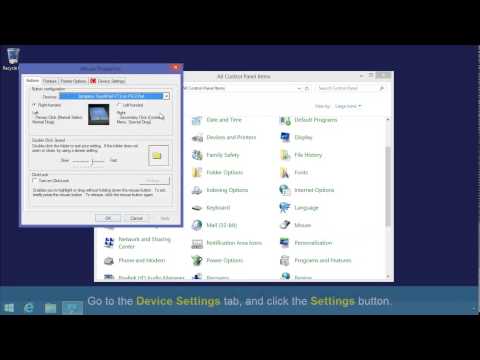
Title: How to Enable Two Finger Scrolling In a Windows 8 Laptop
Channel: Tom's Hardware
How to Enable Two Finger Scrolling In a Windows 8 Laptop by Tom's Hardware
Wifi Not Found
ASUS Laptop Touchpad Scroll Nightmare? (Solved!)
Many of us know the frustration: the cursor jerks unpredictably, webpages zoom in or out at will, and the seemingly simple task of scrolling becomes a battle against an uncooperative touchpad. If you're an ASUS laptop owner, you've likely encountered this digital nemesis at some point. But fear not, fellow tech travelers! This isn't a tale of doomed scrolling sessions; it's a guide, a path towards serene and seamless navigation. We'll dissect the common culprits behind erratic touchpad behavior and provide you with a systematic approach to restoring order to your ASUS laptop's pointing device. Prepare to reclaim control and rediscover the joy of effortless scrolling.
The Perils of the Precise Touchpad: Understanding the Source of the Problem
Before delving into solutions, let's identify the primary instigators behind the touchpad scroll frustrations. Unlike older laptops, modern ASUS notebooks often utilize precision touchpads. These are designed to be exceptionally sensitive and provide advanced gesture support. While a boon for productivity and convenience, this very sensitivity can also be a liability. Dust, debris, and even subtle changes in finger contact can trigger unwanted actions. Furthermore, software conflicts, incorrect driver installations, and misconfigured settings contribute to the problem. In essence, the touchpad isn't inherently faulty; it's a sophisticated piece of technology, and occasionally, it needs a little fine-tuning.
Troubleshooting the ASUS Touchpad: A Step-by-Step Recovery Protocol
1. The Initial Assessment: Quick Checks and Basic Hygiene
Before embarking on complex solutions, a swift triage is in order. Begin by examining the touchpad itself. Are there any visible obstructions? Minute particles of dust, food crumbs, or even skin oils can wreak havoc on the sensor's performance. Gently wipe the touchpad surface with a softly dampened, lint-free cloth. Avoid aggressive scrubbing or the use of harsh chemicals, as these could damage the surface. Ensure your fingers are clean and dry when interacting with the touchpad. Surprisingly, this simple act can often resolve many scrolling issues.
2. Driver Diagnostics: Ensuring Proper Software Harmony
Faulty or outdated drivers are a leading cause of touchpad malfunctions. Think of drivers as the software intermediaries that allow the operating system to communicate effectively with the hardware. To check for driver related problems, follow these steps:
- Access Device Manager: In the Windows search bar, type "Device Manager" and select the corresponding result.
- Locate the Touchpad: Within Device Manager, expand the "Mice and other pointing devices" category. You should find your touchpad listed, typically under a name like "ASUS Precision Touchpad" or similar.
- Driver Inspection: Right-click on the touchpad entry and select "Properties." In the "Driver" tab, check the driver's version and date.
- Driver Updates: Click the "Update driver" button. Windows will automatically search for more recent driver versions. If updates are found, install them. If Windows reports that the best drivers are already installed, consider visiting the ASUS support website (support.asus.com). Enter your exact laptop model number to download the latest drivers specifically designed for your machine. Install these downloaded drivers manually.
3. Touchpad Settings Examination: Fine-Tuning for Optimal Control
Windows, along with the pre-installed ASUS software, provides extensive touchpad configuration options. Access these settings via the following pathway:
- Windows Settings: Click the Windows "Start" button and select the "Settings" cogwheel icon.
- Devices: Click on the "Devices" section.
- Touchpad: Select "Touchpad" from the left-hand menu. This will reveal the basic touchpad settings.
- Advanced Options: Click on "Additional settings" to open the settings provided by the specific touchpad manufacturer. This typically brings up a window with more detailed configuration options.
Within these settings, explore the following areas:
- Scroll Direction: Make sure the scroll direction is set to your preferred option - either "Normal" or "Reversed".
- Scroll Method: Ensure that the "Two-finger scrolling" option is enabled. Sometimes, even a simple checkbox can make a difference.
- Pointer Speed: Adjust the pointer speed to a comfortable level. Too slow, and your cursor will feel sluggish; too fast, and precision will suffer.
- Sensitivity: Experiment with the touchpad sensitivity settings. Reducing the sensitivity can prevent accidental triggering of actions.
- Gesture Settings: Investigate the gesture settings (e.g., zoom, three-finger swipe, four-finger swipe). Make sure these are configured to your liking and that they're not inadvertently interfering with scrolling. Consider disabling gestures temporarily to see if they are the cause of the problem.
4. Software Conflicts and Background Processes: Identifying the Culprits
Occasionally, third-party software can clash with the touchpad drivers, resulting in erratic behavior. Identify and eliminate suspect programs through these actions:
- Clean Boot: Perform a clean boot of Windows. This starts Windows with a minimal set of drivers and startup programs, which can help to determine if a third-party application is causing the problem. To do this, press the Windows key + R, type "msconfig" in the run box, and press Enter. In the System Configuration window, go to the "Services" tab and check "Hide all Microsoft services". Click "Disable all". Navigate to the "Startup" tab and click "Open Task Manager". Disable all startup programs. Restart your computer.
- Recent Installations: Reflect back on any recently installed software. If the touchpad issues began shortly after installing a particular program, uninstall it to see if the problem resolves itself.
- Background Processes: Monitor the running processes to see if any particular program is consuming excessive resources or causing instability. Use Task Manager (Ctrl + Shift + Esc) to identify any processes that might be interfering with touchpad functions.
5. Hardware Inspection: A Final Layer of Verification
Although less common, hardware defects can sometimes be the source of our scrolling predicament.
- External Mouse Test: Plug in an external mouse and use it for a while. If the external mouse works flawlessly, the problem is very likely related to the touchpad or its driver. If the external mouse has the same erratic behavior, the problem could be a software issue affecting the entire pointer mechanism.
- BIOS/UEFI Check: On rare occasions, a corrupt BIOS/UEFI (the underlying firmware that controls the hardware) can cause issues. Check if your laptop has a BIOS update available via the ASUS support website for your specific model laptop.
6. The Nuclear Option: System Restore and Reinstallation
If all other methods fail, consider the following:
- System Restore: Windows' System Restore feature allows you to revert to a previous state when the touchpad was working correctly. Find System Restore by searching for "Create a restore point" in the Windows search bar. Create a restore point before making any major changes.
- Operating System Reinstallation: As a last resort, if none of the above options work, a complete reinstallation of the operating system could be necessary. This should only be considered after exhausting all other troubleshooting options. Ensure you back up all important data before performing a reinstallation.
Reclaiming Smooth Scrolling: Final Words
Troubleshooting an ASUS laptop touchpad can be a bit of a journey, but rest assured that the solutions are typically within reach. By systematically working through these steps, you should successfully pinpoint the root cause of your scrolling woes and restore smooth, predictable cursor movements. Remember to be patient, persistent, and methodical in your approach. With a bit of effort, you'll once again enjoy the seamless navigation you deserve.
