volume keys not working on dell laptop
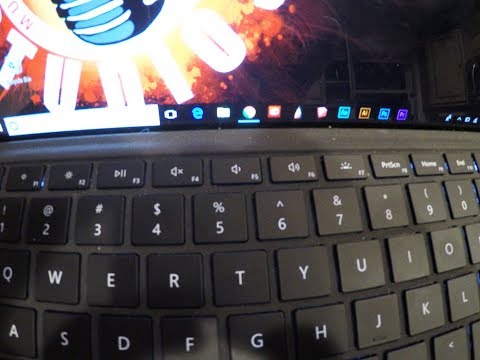
Title: Fix In 3 Seconds - Volume Control Keys, Mute Button Not Working Microsoft Surface Pro Windows
Channel: Mechanical Mike
Fix In 3 Seconds - Volume Control Keys, Mute Button Not Working Microsoft Surface Pro Windows by Mechanical Mike
volume keys not working on dell laptop, volume buttons not working on dell laptop, sound keys not working on dell laptop, volume control not working on dell laptop, sound buttons not working on dell laptop, why are my volume buttons not working on dell laptop, why is my volume button not working on dell laptop, brightness and volume keys not working dell laptop, volume keys don't work on dell.laptop, dell volume keys not working
Dell Laptop Keyboard Nightmare? FIX Your Volume Keys NOW!
Dell Laptop Keyboard Volume Keys Gone Wild? Don't Panic! We've Got You
Ever find yourself wrestling with your Dell laptop's volume keys? Are they suddenly unresponsive, blasting music unexpectedly, or perhaps muting everything when you desperately need sound? It's frustrating, I know. But, before you launch your laptop across the room, take a deep breath. Fortunately, you're not alone. And, frankly, fixing these volume key issues is usually simpler than you think. Let’s dive in and get things working again!
Is This a Software Snafu or a Hardware Hiccup? Understanding the Culprit
First things first: let’s troubleshoot. Is the problem likely a software glitch or a hardware malfunction? This is crucial. Because the approach for each is different. Consequently, determining the root cause upfront saves time and effort.
- Software Side Sleuthing: Windows updates, driver conflicts, or corrupted system files are common culprits. Unfortunately, these are easily fixed. For instance, a driver update might be all you need.
- Hardware Headaches: A faulty keyboard is always a possibility, maybe spilled liquids caused damage. Furthermore, there's internal hardware that goes bad over time.
Rebooting Your Relationship with the Volume Keys: Basic Troubleshooting
Before declaring war on your Dell, try these fundamental fixes. They often work wonders.
- Restart Your Laptop: Yes, it sounds cliché, but rebooting is often the magic wand. Firstly, it clears temporary files which can be causing conflicts. Then, your system can reset, hopefully resolving the issue.
- Check the Obvious: Volume Mixer Basics: See the volume mixer icon in your system tray, usually on the taskbar's bottom-right. At any current moment, it's possible the volume controls are set to zero. Therefore, check each application's volume level. Make sure nothing is inadvertently muted or turned down.
- Keyboard Shortcuts Command: Many Dell laptops have alternate volume controls. Besides the volume keys, try using the Fn (Function) key with volume up/down keys. Sometimes, this bypasses any key malfunctions. Conversely, the Fn key might be locked if the media keys are not working. Try this as well to eliminate it.
Driver Dilemmas: Navigating the Driver's Labyrinth
Drivers are essential for your keyboard's function. Subsequently, outdated or corrupted drivers are frequent culprits. Therefore, make sure your drivers are up to date.
- Updating Your Keyboard Drivers: Go to Device Manager (search for it in the Windows search bar). Locate your keyboard in the list. Right-click on it and select "Update driver." Choose "Search automatically for drivers." Windows will then try to locate and install the best available driver.
- Uninstalling and Reinstalling: If updating doesn't help, try uninstalling and reinstalling the driver. Right-click on your keyboard in Device Manager and select "Uninstall device." After uninstalling, restart your laptop. Windows will automatically attempt to reinstall the driver.
- Dell's Website Advantage: Visit Dell's support website. Go to the driver download section. Enter your service tag or model number. Then, search for keyboard drivers specifically for your laptop. Download and install the driver.
Software Solutions: Beyond the Basics
Sometimes, the problem lies deeper within the software. In that case, we'll have to dig a bit deeper.
- System File Checker (SFC) Scan: This is a built-in Windows tool. Besides, it can scan for and repair corrupted system files. Open Command Prompt as an administrator. Type
sfc /scannowand press Enter. Let the scan complete. Restart your computer afterward. - Malware Mayhem: Virus Scans are Essential: Run a full scan with your antivirus software. Malware can sometimes interfere with keyboard functions. Keep your software updated as well.
- Operating System Re-Imagining (Consider these options): If everything else fails, consider resetting or reinstalling Windows. This is a more drastic step but can resolve persistent software issues. Make sure that you back up all of your important files first.
Hardware Hiccups: When the Keys Say "No More!"
Sometimes, software isn't the problem. In this situation, it is time to address the hardware.
- External Keyboard Test: Connect an external USB keyboard to your laptop. Test its volume keys. If they work fine, your laptop's built-in keyboard might have a hardware issue.
- Internal Inspection (Proceed with caution): If you're comfortable, cautiously examine your laptop's keyboard. Check for debris under the keys. However, opening your laptop can void the warranty. Therefore, always check your laptop's warranty terms first.
- Professional Help: If you're uncomfortable with DIY repairs, seek professional help. A computer repair technician has the tools and expertise to diagnose and fix hardware problems.
Final Thoughts: Back in Harmony with Your Audio
Volume key problems can be frustrating. But hopefully, these steps will guide you. Remember to be patient and systematic. Usually, the solution is within reach. Following these steps will assist you in resolving the issue. Now, go forth and reclaim control of your Dell's volume! Happy listening!
Laptop Provided: Land Your Dream Work-From-Home Job Today!Dell Laptop Keyboard Nightmare? FIX Your Volume Keys NOW!
Ever found yourself wrestling with your Dell laptop's volume keys, frantically mashing the buttons only to be met with…silence? Or perhaps the opposite – a sudden, ear-splitting blast of sound that sends you scrambling for the mute button? We’ve all been there, and let's be honest, it's enough to make you want to launch your laptop out the window! But before you resort to such drastic measures, take a deep breath. We’re here to help you navigate the treacherous waters of Dell laptop keyboard malfunctions, specifically focusing on those pesky volume keys.
1. The Symphony of Silence: Identifying the Problem
First things first: what exactly is going wrong? Is it a total blackout – no volume control whatsoever? Or are the volume keys acting like a mischievous gremlin, sporadically increasing or decreasing the sound levels without your command? Pinpointing the issue is the crucial first step to finding a solution. Think of it like diagnosing a car: you wouldn't just start replacing parts randomly; you'd listen to the squeaks, the rattles, and the overall temperament of the engine.
2. The Usual Suspects: Common Culprits Behind Volume Key Woes
Before we dive into the more technical stuff, let's check the obvious. Sometimes, the simplest solutions are the most effective.
- Volume Mixer Shenanigans: Ensure your volume isn't accidentally muted in the volume mixer (the little speaker icon in your system tray). We've all done this – accidentally muted everything and spent ages wondering why our music isn't playing!
- Driver Dilemmas: Outdated or corrupt audio drivers can wreak havoc. Updating them is often the first port of call.
- Physical Obstructions: Crumbs, dust, or even a stray pet hair lodged beneath the keys can be the sneaky saboteurs. Give your keyboard a good clean!
3. Unveiling the Driver's Dance: Updating Your Audio Drivers
This is where things get slightly more technical, but don't worry; we'll walk you through it. Your audio drivers are the software that allows your laptop to communicate with its sound hardware. If those drivers are old, malfunctioning, or incompatible, your volume keys will likely suffer.
Here’s how to update them:
- The Device Manager Detective: Right-click on the Windows Start button and select "Device Manager." This is your one-stop shop for all things hardware-related.
- The Sound, Video and Game controllers Search: Expand this category. You should see your audio device listed (it might be labeled as "Realtek Audio," "Intel Display Audio," etc.).
- The Driver's Update: Right-click on your audio device and select "Update driver." Choose "Search automatically for drivers." Windows will then hunt for the latest version.
- The Restart Ritual: Once the drivers are updated, restart your laptop. Fingers crossed, this simple step resolves everything.
4. Dell's Diagnostic Tools: Your Built-In Tech Support
Believe it or not, Dell often provides built-in diagnostic tools that can help troubleshoot hardware problems. These tools can perform tests on your keyboard and other components to identify potential issues. Check your Dell SupportAssist software.
5. The Keyboard's Cleaning Crusade: Dust Bunnies and Debris
Sometimes, the solution is as simple as a good cleaning. Dust, crumbs, and other debris can get lodged under your keys and interfere with their function.
- Air Can Assault: Grab a can of compressed air (the kind used for cleaning electronics) and gently blow around the volume keys and the surrounding area. This is your first line of defense.
- The Keycap Removal Challenge: If cleaning with compressed air doesn't work, you can try removing the keycaps. Be cautious when doing this as you can damage the keys.
6. The Software Side: Potential Glitches and Conflicts
Software conflicts can also cause volume key problems. Think of your computer as a busy kitchen, and occasionally, different programs can bump into each other causing chaos.
- Startup Programs: Some background programs might interfere with your keyboard’s functionality. Try disabling unnecessary startup programs to see if this helps. Access your Task Manager (Ctrl + Shift + Esc) and go to the “Startup” tab.
- Recent Installations: Did the volume key problems start after you installed a new program? Uninstalling recently added software can sometimes solve the issue.
7. BIOS Blues: Checking Your Basic Input/Output System
The BIOS (Basic Input/Output System) is the firmware that controls your computer's basic hardware operations. Rarely, issues within the BIOS can impact keyboard functionality. However, tinkering with your BIOS can be risky, so if you are not entirely confident, seek help from Dell's official website.
8. External Keyboard Test: Pinpointing Hardware Trouble
If the volume keys on your external keyboard function correctly, it further confirms that the issue lies with your laptop's built-in keyboard.
9. The Volume Key Shortcut Combat: Customizing Your Controls
Did you know you can often customize keyboard shortcuts, including those for volume? Sometimes, the default settings are the problem.
- System Settings Search: Explore your Windows settings ("Settings" app) to see if you can adjust volume key behavior.
- Dell's Command Center: Many Dell laptops come with custom software, like Dell's Command Center. There, you might find options to remap keyboard functions.
10. Reinstalling Dell's Keyboard Drivers: A Fresh Start
If all else fails, consider uninstalling and reinstalling your keyboard drivers. This forces Windows to recognize and reinstall the drivers from scratch. This is a more drastic measure, so be sure you have the necessary information to download the drivers later.
11. Hardware Headaches: When It's a Physical Issue
Unfortunately, sometimes the problem is hardware-related.
- Loose Connections: Opening up your laptop (if you're comfortable doing so) and checking the keyboard's connection to the motherboard might be a possibility.
- Keyboard Replacement: If the keyboard is damaged or malfunctioning, a replacement is the most straightforward solution.
12. Seeking Dell's Support: When Self-Help Isn't Enough
Don't be afraid to reach out to Dell's official support channels. They have dedicated teams to assist you, and they might be able to provide specific solutions for your laptop model.
13. Battery Blues: Power Management's Role
In some rare instances, power management settings can impact keyboard behavior.
- Power Plan Peek: Check your power plan settings (in "Settings" > "System" > "Power & sleep").
- Driver Update Again: Update your laptop's chipset drivers, to ensure that different parts of the PC have appropriate power.
14. The Gradual Learning Curve: Patience and Perseverance
Troubleshooting can be a process of trial and error. Don't get discouraged if the first solution doesn't work. We’re sure you will fix the problem!
15. Preventing the Pain: Keyboard Care and Maintenance
Once you've solved the problem, take steps to prevent it from happening again.
- Regular Cleaning: Make it a habit to clean your keyboard regularly.
- Gentle Usage: Treat your keyboard with care.
We hope this guide helps you tame the volume key beast and enjoy your Dell laptop in peace.
Closing Segment
So there you have it! A comprehensive guide to fixing those pesky Dell laptop volume keys. We've dived into the usual suspects, explored software solutions, and even touched upon potential hardware issues. Remember to approach the troubleshooting process systematically, starting with the simplest solutions and working your way up. Don't be afraid to experiment – and above all, don't let a malfunctioning volume key ruin your day. Because let's be honest, who wants to live in a world of complete audio chaos? Now go forth and reclaim your sound!
FAQs
- My volume keys are completely unresponsive. What should I try first? Start with the basics: Ensure your laptop isn't muted in the volume mixer and check (or update) your audio drivers. Then, try restarting your laptop.
- I've updated my drivers, but the volume keys still don't work. What's next? Try cleaning your keyboard around the volume keys with compressed air.
- Could a hardware issue be the cause? Yes, it's possible. If nothing else works, it might indicate a loose keyboard connection or a malfunctioning keyboard.
- Where can I find my Dell laptop's drivers? You can usually download them from the Dell support website by entering your laptop's service tag or model number.
- Is opening my Dell laptop to check the keyboard safe? It's generally safe if you know what you're doing. However, if you are not comfortable, do not do so, and seek professional help.
- Principal Keywords: Dell Laptop, Volume Keys, Fix.
- SEO Headline: Dell Volume Keys Not Working? Simple Fixes!
- Pathway: Dell Volume Keys Fix
- Meta Summary: Frustrated with your Dell laptop's volume keys? We've got your back! Learn how to fix common problems & get your sound back! 5
Volume Button Not Working - Reverse Function Keys and Multimedia Keys F1-F12

By Filip Tech Volume Button Not Working - Reverse Function Keys and Multimedia Keys F1-F12 by Filip Tech
Fix DELL Laptop Audio Sound Not Working

By Murugan S Fix DELL Laptop Audio Sound Not Working by Murugan S
How to EnableDisable Fn Key in Dell Laptop Invert Fn Key Fix Fn Key

By Tech Pawarman How to EnableDisable Fn Key in Dell Laptop Invert Fn Key Fix Fn Key by Tech Pawarman

Title: How to Enable or Disable Function Fn Keys in Windows 1110 Fix Functions Keys Not Working
Channel: EasyTechGeek
How to Enable or Disable Function Fn Keys in Windows 1110 Fix Functions Keys Not Working by EasyTechGeek
Change Wifi Settings
Dell Laptop Keyboard Nightmare? FIX Your Volume Keys NOW!
We understand. You're in the middle of something crucial – a virtual meeting, a thrilling game, or maybe just enjoying some music – and then BAM! Your Dell laptop's volume keys decide to go on strike. Suddenly, you're wrestling with a whisper, an earth-shattering roar, or complete and utter silence. Frustration mounts. The illusion of control shatters. Don't despair. We’ve been there, and we're here to guide you through the labyrinth of tech issues to reclaim your audio authority. Forget those generic troubleshooting guides; we’re diving deep, offering tailored solutions to vanquish your Dell laptop volume key woes. Let's restore harmony to your soundscape, shall we?
Identifying the Culprit: Pinpointing the Source of Your Volume Key Troubles
Before initiating any repairs, it’s essential to diagnose the root of the problem. Is it a hardware malfunction, a software glitch, or something in-between? Determining the cause will dictate the appropriate fix, saving you time and potential headaches. Let's consider the usual suspects.
Hardware Blues: When the Physical Keys Rebel
Physical damage is often the first suspect. Have the volume keys been subjected to excessive force? Perhaps a spill? A sticky residue, caused by liquids or debris, can cripple the keys' responsiveness, preventing them from registering your commands. Examine the keys themselves for any visible problems. Look for any wobbliness or a sticky feel.
Another possibility is a faulty keyboard. Over time, the internal components of the keyboard can degrade. This could range from damage to the circuitry to physical disconnection of the keys. If other keys are functioning properly while the volume keys are not, the keyboard's internal components could be at fault.
Software Sabotage: Windows and Drivers Gone Rogue
More often than not, the issue resides in the software realm. The volume keys rely on drivers – software programs that translate keystrokes into actions. Outdated, corrupted, or incompatible drivers can wreak havoc.
Driver Corruption: Your system's audio drivers might be corrupted. A seemingly benign software update, a rogue download, or a sudden system crash can introduce errors into the audio drivers, leading to unexpected behaviors, including a refusal of volume key functionality.
Windows Updates Gone Awry: We all appreciate the improvements that Windows updates bring, but sometimes, they create their own set of problems. There’s a chance that a recent update has introduced an incompatibility with your audio drivers.
Audio Device Conflicts: Having multiple audio devices connected to your laptop simultaneously can sometimes lead to conflicts. If you’re using external speakers, headphones, or a microphone, Windows might be misinterpreting the volume controls.
BIOS and Firmware Fiascos: Rarely, but occasionally, the BIOS (Basic Input/Output System) or your laptop’s firmware can house the problem. The BIOS controls fundamental operations, including keyboard functionality.
Step-by-Step Solutions: Restoring Order to Your Volume Controls
Now, let's get those volume keys back in action. We'll walk you through a series of meticulously detailed solutions, progressing from the simplest to the most complex.
Solution 1: The Restart Remedy: A Simple Reset
Sometimes, the simplest solution is the most effective. A full restart can clear temporary glitches and refresh system processes. Before you start, shut down your laptop completely by going to the start menu and selecting 'Shut down'. Wait a few minutes. Then, reboot your Dell laptop. After it restarts, test your volume keys. If the problem disappears, you've successfully solved your problem with minimal effort. Simple but effective!
Solution 2: The Function Key Finesse: Mastering the Fn Key
Many Dell laptops use the Function (Fn) key for secondary keyboard functions, including volume control. Ensure that you're using the correct combination. Locate the volume up, volume down, and mute keys, and try pressing them in conjunction with the Fn key. On some models, you may need to press the Fn key before using the volume keys. If the volume control works in this way, it suggests the basic volume keys are the problem.
Solution 3: Driver Detective: Updating or Reinstalling Audio Drivers
Outdated or corrupted audio drivers are a common culprit. Here’s how to address them:
Update Through Device Manager:
- Right-click the Windows Start button and select "Device Manager."
- Expand the "Sound, video and game controllers" section.
- Right-click your audio device (it might be labeled "Realtek Audio," "Intel Display Audio," or similar) and select "Update driver."
- Choose "Search automatically for drivers." Windows will search for the latest drivers online.
- If Windows finds and installs new drivers, restart your laptop and test your volume keys.
Reinstalling Audio Drivers:
- In the Device Manager, right-click your audio device.
- Select "Uninstall device."
- In the confirmation dialog box, select "Delete the driver software for this device" to remove the old drivers.
- Restart your laptop. Windows should automatically reinstall the default drivers. If not, repeat the steps from the Update section. If that does not fix the problem, you may then need to visit the Dell website or search for the applicable driver software on the internet.
Solution 4: Troubleshooter Takedown: The Windows Audio Troubleshooter
Windows has built-in troubleshooters designed to resolve various issues. Here's how to use the audio troubleshooter:
- Search for "Troubleshoot settings" in the Windows search bar and open it.
- Under "Other troubleshooters," find "Playing Audio" and click to run.
- Follow the on-screen instructions. The troubleshooter will scan for problems and attempt to fix them. After the process is finished, restart your laptop.
Solution 5: Keyboard Key Cleanse: Removing Dust and Debris
Debris is a key obstacle here. Dust, crumbs, or sticky residues can prevent the volume keys from functioning. Take a moment to delicately clean your keyboard.
- Air Can Advantage: Use a can of compressed air to blast away the dust, crumbs, and other debris. Direct the air stream between the keys, paying special attention to the volume keys.
- Isopropyl Alcohol: Dampen a cotton swab or a soft cloth with isopropyl alcohol, being careful not to saturate it. Gently wipe around the volume keys. The alcohol will help dissolve any sticky residue.
Solution 6: External Device Exclusion: Disconnecting Audio Peripherals
External devices can create conflicts. Test your volume keys by disconnecting all external audio devices: headphones, speakers, and external microphones. If the volume keys begin working after disconnecting these devices, the problem may lie with a device conflict.
Solution 7: BIOS Blitz: Examining BIOS Settings
In rare cases, the BIOS settings can influence keyboard behavior. Modifying these parameters can sometimes resolve volume key problems.
- Restart your Dell laptop. As the laptop boots, repeatedly press the key specified for accessing BIOS setup. Typically, this is Del, F2, F12, or Esc. The specific key varies according to your Dell model.
- Once inside BIOS, navigate to the "Advanced" or "Configuration" menu.
- Look for keyboard settings, usually relating to keyboard functionality.
- Review and adjust the keyboard settings. Save any changes to the BIOS before restarting your laptop.
Solution 8: System Restore Strategy: Reverting to a Previous State
If the problem began after a Windows update or other software changes, consider performing a System Restore:
- Type "Create a restore point" in the Windows search bar and open it.
- Click “System Restore.”
- Follow the on-screen instructions, selecting a restore point from before the volume key issue began.
Solution 9: Software Conflicts: Unmasking Third-Party Interference
Certain software programs can sometimes interfere with system volume controls.
- Review Recently Installed Software: Think about any new software you've recently installed. It might be conflicting with the audio drivers.
- Safe Mode Test: Restart your computer in Safe Mode. This loads a bare-bones version of Windows, minimizing software interference. If the volume keys work in Safe Mode, a third-party program is likely the problem.
Solution 10: Hardware Havoc? Seeking Professional Support
If none of the above solutions work, the problem might be hardware-related. A faulty keyboard or internal component might be the culprit. It's now time to contact Dell Support. Or, instead, take your laptop to a qualified repair technician.
Prevention is Key: Maintaining Your Laptop's Audio Health
By taking a proactive approach, you can reduce the likelihood of future volume key issues.
- Regular Driver Updates: Update your drivers regularly.
- Keep it Clean: Keep your keyboard surfaces clean.
- Software Vigilance: Be careful when installing new software.
- Back Up Your System: Create regular system backups.
We understand the importance of a functional volume control. By following these detailed steps, you should be able to swiftly diagnose and rectify your Dell laptop's volume key problems. Whether you’re a gamer needing essential audio cues or a remote worker dependent on accurate volume output, we hope this guide will put you back in control. Happy listening!
