how to fix a hewlett packard laptop keyboard not working

Title: How To Fix HP Laptop Keyboard Keys Not Working Simple Solutions You Can Try So Resolve The Issue
Channel: Helpful Solutions
How To Fix HP Laptop Keyboard Keys Not Working Simple Solutions You Can Try So Resolve The Issue by Helpful Solutions
HP Laptop Keyboard Dead? FIX IT NOW! (Easy Steps)
HP Laptop Keyboard Blues? Breathe Easy! (Solutions Inside!)
Suddenly, utter silence. Your HP laptop keyboard has decided to take an unscheduled vacation. Panic may be setting in, but don't fret! You're not alone. This happens, and thankfully, fixes exist. We'll navigate the keyboard crisis together. You'll be back to typing in no time. Let's get started!
Troubleshooting Terrain: Initial Steps to Take
Before diving deep, a few essential checks can save the day. First, is the laptop plugged in and powered on? Seems obvious, yet it's a common culprit. Next, observe the boot-up sequence. Does the keyboard light up briefly when you start your HP laptop? If it does, the keyboard is likely functioning. Therefore, the issue might reside in software.
The Simple Stuff: Quick Fixes to Try
Sometimes, the solution is delightfully simple. Restart your HP laptop. It can often resolve temporary glitches. Moreover, ensure the keyboard itself is clean. Crumbs or debris can interfere with key functionality. Next, try pressing the "Num Lock" key. This can unexpectedly disable the number pad. Consequently, it may seem like the entire keyboard is out of order.
Software Shenanigans: Digging Deeper into the OS
Operating systems can sometimes misbehave. First of all, check your drivers. Outdated or corrupted drivers are a common problem. So, here's how:
- Access Device Manager: Search for "Device Manager" in your Windows search bar and open it.
- Locate the Keyboard: Expand the "Keyboards" section. You should see your keyboard listed.
- Update the Driver: Right-click on your keyboard and select "Update driver." Choose "Search automatically for drivers."
- Reinstall if Necessary: If the update fails, try right-clicking again and choosing "Uninstall device." Then, restart your laptop. Windows will attempt to reinstall the driver automatically.
Furthermore, run the Windows troubleshooter. It can automatically detect, and often repair, keyboard issues. Go to "Settings," then "Update & Security," and then "Troubleshoot." Find the "Keyboard" troubleshooter and run it.
External Keyboard: A Temporary Lifesaver
In the meantime, an external keyboard can get you back on track. Connect an external keyboard via USB. Now, you can still use your laptop. This helps diagnose the root cause, as the external keyboard will either work or not work based on whether the problem is the laptop itself, or the OS.
Hardware Hurdles: When the Problem is Physical
If these software solutions fail, the problem is likely hardware-related. First, examine the keyboard's cable connection. For some HP laptop models, it's possible to access and reseat the keyboard cable. Refer to your laptop's service manual. This can be complex and requires caution. However, it’s a possibility.
When to Seek Professional Assistance
If you've exhausted these troubleshooting steps, it’s time to consider alternatives. A faulty keyboard replacement may be necessary. It is often best left to professionals. Consequently, a repair shop can diagnose the problem and replace the keyboard. Alternatively, if your laptop is under warranty, contact HP support immediately.
Prevention is Key: Keeping Your Keyboard Happy
Therefore, taking preventative measures will reduce future keyboard issues. Keep your laptop clean. Regularly wipe down the keys. Also, avoid exposing your laptop to liquids. Consider using a keyboard cover for extra protection against debris. Finally, update your operating system regularly. This keeps your device running smoothly.
The Final Word: You've Got This!
Hopefully, one of these steps swiftly restores your HP laptop keyboard. Troubleshooting can be complex, however, don't get discouraged. With patience and persistence, you'll overcome the keyboard issue. Now, get back to typing and creating! You've got this!
Laptop Keys Dying? FIX This NOW!HP Laptop Keyboard Dead? FIX IT NOW! (Easy Steps)
Hey everyone! Ever felt that heart-stopping moment, that cold dread that washes over you when your HP laptop keyboard decides to stage a silent protest? You tap a key, then another, and… nothing. It's like the digital equivalent of yelling into a void. We've all been there. And trust me, I know the feeling. I once had a client deadline looming, and poof – my keyboard went on strike. Panic mode activated! But after surviving that ordeal (and many others!), I've gathered some battle-tested tactics to bring your HP laptop keyboard back from the brink. So, let's dive in and get you typing again!
1. The Initial Diagnosis: Are We Really Dead?
Before declaring a digital apocalypse, let's do a quick check-up. Sometimes, it's not the keyboard itself, but something else entirely. Think of it like a car – is it the engine that’s broken, or just a dead battery?
- External Keyboard Check: Plug in an external USB keyboard. If that works, the issue likely lies with your laptop's keyboard, not your operating system or drivers. If the external keyboard also doesn't work, we've got a different beast to tame.
- Restart Remedy: The classic. A simple restart can fix a multitude of tech woes, from a grumpy cat to a malfunctioning keyboard. Try it! Many times, it's the digital equivalent of a good night's sleep.
- The Boot Sequence: As your laptop starts, repeatedly tap the "F2," "F10," or "Del" key (depending on your HP model). This should take you to the BIOS setup. If you can navigate the BIOS with your keyboard, the problem is probably software-related. If it doesn't work here either, hardware is more likely the culprit.
2. Software Shenanigans: Driver Dilemmas and OS Oddities
Okay, so your external keyboard works, and you’ve navigated the BIOS. Time to suspect something in the software realm. Drivers, operating system glitches… these are the usual suspects.
- Driver Updates are Key: Think of drivers as the language your keyboard uses to chat with your laptop. Outdated, corrupted, or simply missing drivers can cause chaos. Here’s how to update them:
- Right-click the Windows Start button.
- Go to "Device Manager."
- Expand "Keyboards."
- Right-click on your keyboard device and choose "Update driver." Let Windows search automatically.
- Roll Back the Days: Did this keyboard problem sprout up after a recent software update? A driver update gone wrong? Consider rolling back to a previous version. In Device Manager, after right-clicking your keyboard device, you might find an option called "Roll Back Driver" under the "Driver" tab if a previously installed driver is available.
- Virus Vigilance: Cyber nasties can, on occasion, interfere with keyboard functions. Run a full system scan with your antivirus software. It's like a digital detox.
3. Hard Reset: The Digital Reboot
Sometimes, a more forceful approach is needed – a digital reboot, if you will. It's like hitting the reset button on life (though, thankfully, less drastic).
- Power Cycle Perfection: Shut down your laptop completely. Unplug the power adapter. Remove the battery (if possible and accessible). Hold down the power button for 30 seconds. Then, put everything back together and power on again. This can clear any residual static electricity that might be causing problems. It’s kind of like a mental reset for your laptop.
4. The Sticky Situation: Clearing the Crumbs
Let's face it, we're all guilty of the occasional crumbs-and-spills scenario. A sticky keyboard is a common cause of malfunctions.
- The Gentle Clean: Turn your laptop upside down and give it a gentle shake. Use compressed air (the non-liquid kind!) to blow out any loose debris from between the keys. Think of it as giving your keyboard a spa day.
- The Keycap Crusade: If you’re feeling brave (and have patience!), you can carefully remove individual keycaps. Use a thin, flat tool (like a plastic spudger or a guitar pick) to pry them off gently. Clean the area underneath with a cotton swab dipped in isopropyl alcohol (make sure the alcohol isn’t dripping!). Let everything dry completely before reassembling. This is like a deep cleaning, but only for your keyboard!
5. Hardware Hurdle: Troubleshooting Internal Connections
If the software fixes fail, we might be looking at a hardware problem. Don’t worry, we’re not performing brain surgery here!
- The Internal Connection Check: This is where things get slightly more involved. (I recommend looking up a video specific to your HP laptop model.) You might need to open up your laptop's bottom panel to access the keyboard's internal ribbon cable. It's usually a delicate, flat cable that connects the keyboard to the motherboard. Check to make sure it's securely plugged in—a loose connection can disrupt the flow of data.
- Professional Intervention: If you're not comfortable opening up your laptop, or you’re unsure about the connections, it's time to call in the pros. Find a reputable computer repair shop. They have the tools and expertise to diagnose and fix hardware problems. It’s better than potentially causing further damage!
6. The Moisture Menace: Spill Solutions
Oops! Spilled something on your precious device? Here's how to handle it quickly…because, let's be honest, it happens.
- Act FAST: Immediately shut down your laptop. Unplug it. Remove the battery (if possible). Speed is of the essence!
- The Drying Game: Turn the laptop upside down (keyboard-side down) to let any liquid drain out. Use a soft cloth to absorb any remaining liquid. Let it dry for at least 24-48 hours in a well-ventilated area before attempting to turn it back on. This is like giving your laptop a life raft.
7. Battery Blues: Indirect Keyboard Impact
Believe it or not, certain battery-related issues can indirectly affect the keyboard.
- Power Supply Play: If your laptop is constantly switching between battery and power adapter mode, it can sometimes cause performance hiccups. Make sure your adapter is functioning correctly. Test with another adapter if you have one.
- Battery Drain Drama: A dying or damaged battery can lead to instability. If your laptop dies quickly, or acts strangely, the battery could be part of the problem.
8. BIOS Bonanza: Keyboard Configuration
The BIOS, as previously mentioned, can sometimes hold the key to keyboard functionality.
- BIOS Settings Safari: Enter your BIOS setup (usually by pressing Del, F2, or F10 during startup). Look for any keyboard-related settings. Sometimes, you can enable or disable the internal keyboard here. Resetting the BIOS to its default settings (look for an option like "Load Default Settings") can also resolve conflicts.
9. The External Keyboard Dance: A Temporary Tango
While we're working on fixes, remember the option of an external keyboard.
- USB Buddy: Plug in your USB keyboard. It's a quick and easy workaround.
- Bluetooth Bliss: If your laptop supports Bluetooth, you could connect a wireless keyboard. This gives you a bit of extra freedom.
10. Touchscreen Troubles: The Alternative Input
If your HP laptop has a touchscreen, it can become a lifesaver.
- Virtual Typing: Use the on-screen keyboard to navigate and type when you need to. It’s not ideal but it can get you through. Consider it a Plan B!
- Touchscreen Therapy: Some touchscreen issues can mimic keyboard problems, leading to misdiagnoses. Try updating the touchscreen drivers if your system is set up for touch input.
11. Keyboard Replacement Revelations
Sometimes, it's time to face the music: your keyboard is gone.
- DIY Delight (with Caution!): If you've got experience or feel brave, you can attempt to replace the keyboard yourself. Order a replacement keyboard specifically for your HP laptop model. Watch detailed installation videos.
- Expert Execution: The best course of action? Take it to a repair shop. It’s often the most reliable method. It’s the professional's job for a reason!
12. Warranty Wonders: Claiming Coverage
Your HP laptop might still be under warranty.
- Warranty Wizardry: Check your warranty status on the HP website. If it is covered and hardware failure is confirmed, you’re in luck! Contact HP support to initiate a repair. Be prepared to provide the serial number and proof of purchase.
- Extended Protection: Check whether you have any extended services or additional coverage. Don’t leave any options unexplored.
13. Keyboard Shortcuts Savior
If only some keys are dead, use the shortcuts.
- Ctrl+C, Ctrl+V Mastery: For basic copy and paste, this is an absolute must-know.
- Fn Key Adventures: Learn any Function Key combinations specific to your HP
SOLUTION Some Keys Not Working on Laptop Keyboard

By Tech Express SOLUTION Some Keys Not Working on Laptop Keyboard by Tech Express
HP Keyboard Not Working - 6 Fix

By Tech Bachhal HP Keyboard Not Working - 6 Fix by Tech Bachhal
HP Laptop Brightness Keys Not Working FIX
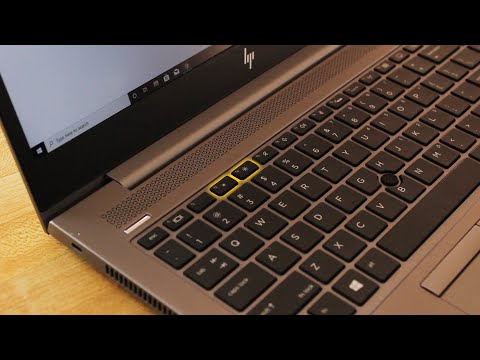
By Graphically Challenged HP Laptop Brightness Keys Not Working FIX by Graphically Challenged

Title: How To Fix HP Laptop Keyboard Not Working in Windows 10 Solved
Channel: Tricknology
How To Fix HP Laptop Keyboard Not Working in Windows 10 Solved by Tricknology
Wifi On Laptop Phone
HP Laptop Keyboard Dead? FIX IT NOW! (Easy Steps to Revive Your Input)
The sudden silence of your HP laptop’s keyboard is a frustrating experience. You're in the middle of a critical project, composing an important email, or simply enjoying your online time, when suddenly… nothing. Your commands fail, and your words become unresponsive. Fear not! This guide provides a comprehensive, step-by-step approach to diagnosing and resolving a dead HP laptop keyboard, allowing you to regain control of your device and your digital life. We'll bypass the technical jargon and focus on practical solutions you can implement immediately.
Identifying the Culprit: Is It Definitely the Keyboard?
Before leaping into repairs, confirm the problem originates with the keyboard itself. A general hardware issue within your HP laptop might be the actual root cause of the failure. Complete these quick tests:
- External Keyboard Verification: Connect an external USB keyboard. If the external keyboard functions correctly, the issue is very likely your internal keyboard. If the external keyboard faces the same issues, then the issue lies deeper, with the operating system or the laptop's system board.
- Boot to BIOS: Restart your laptop and repeatedly press the appropriate key to enter the BIOS setup (usually Del, Esc, F2, F10, or F12 – consult your HP laptop’s manual). Verify that you can navigate the BIOS menus using the internal keyboard. If the keyboard responds within the BIOS, the problem is probably software-related. If the keyboard is unresponsive here as well, it signals a more serious hardware problem.
- Operating System Check: If you can access the BIOS, boot into your operating system (Windows, macOS, or Linux). Test the keyboard within different applications (notepad, word processor, web browser). If certain keys fail in some applications but work in others, it might indicate software conflicts or driver issues.
These initial checks are critical in pinpointing if the problem is the keyboard itself, or another, related cause.
Software Solutions: Reawakening Your Keyboard's Brain
Often, a seemingly dead keyboard is simply suffering from a software glitch. These straightforward methods might be all you need to get everything working again:
Restart Your Laptop: A simple restart can often resolve temporary software conflicts or stalled processes that affect keyboard functionality. It's the digital equivalent of a "reset" button.
Driver Update/Reinstallation: Outdated, corrupt, or missing keyboard drivers are a common culprit.
Windows:
- Open Device Manager (search in the Windows search bar).
- Expand the "Keyboards" section.
- Right-click on your keyboard device (it might be listed as "Standard PS/2 Keyboard" or a keyboard specific to your HP model).
- Select "Update driver." Choose "Search automatically for drivers." Or, download the latest drivers from HP's support website using your laptop's model number.
- If updating fails, select "Uninstall device." Then, restart your laptop, and Windows will attempt to reinstall the correct drivers.
macOS: macOS generally manages keyboard drivers automatically, so manual updating is less common. However, consider the latest software updates.
Filter Keys, Sticky Keys, and Toggle Keys: These accessibility features can sometimes interfere with normal keyboard operations if enabled accidentally.
Windows:
- Open the Control Panel and go to "Ease of Access Center."
- Click on "Make the keyboard easier to use."
- Ensure "Filter Keys," "Sticky Keys," and "Toggle Keys" are disabled.
macOS:
- Open System Preferences > Keyboard.
- Ensure "Sticky Keys," "Slow Keys," and "Toggle Keys" are disabled under the "Keyboard" tab.
Run the Keyboard Troubleshooter: Windows includes a built-in troubleshooter specifically designed to identify and fix keyboard issues.
- Open the Settings app (Windows key + I).
- Go to "System" > "Troubleshoot."
- Click on "Other troubleshooters."
- Find "Keyboard" and click "Run." Follow the on-screen instructions.
Check for Malware: Malware can sometimes interfere with keyboard function. Run a full system scan using your preferred antivirus software.
Hardware Troubleshooting: When Software Isn't Enough
If the software solutions fail, the problem is likely hardware-based. Proceed with caution; improper handling can cause further damage. Consider backing up your data before attempting any hardware repair.
Inspect the Keyboard Cable (Internal Laptops):
- Power Off and Disconnect: Completely shut down your laptop and disconnect the power adapter and any external devices.
- Access the Keyboard:
- Consult your HP laptop's service manual or online resources (YouTube tutorials are helpful) to determine the precise disassembly steps for your specific model. Every HP laptop model is different. Do not force anything.
- Typically, you will need to remove screws from the bottom panel or around the keyboard bezel.
- Carefully pry the keyboard bezel or the keyboard itself.
- Locate the Cable: Inside, search for (flat) the flexible ribbon cable connecting the keyboard to the motherboard. It often has a small clip or latch holding it in place.
- Inspect and Reconnect: Carefully inspect the cable for any visible damage (tears, bends, corrosion). Disconnect the cable, inspect the connector on the motherboard for debris, and carefully reconnect the cable, ensuring it's securely seated. Close the latch, if applicable.
- Reassemble and Test: Reassemble your laptop and test the keyboard.
Clean the Keyboard: Dust, crumbs, and other debris can interfere with key contacts. This may be the most straightforward solution you may need.
- Power Off and Disconnect: Shut down and disconnect the power adapter.
- Invert and Shake: Turn the laptop upside down and gently shake to dislodge loose particles.
- Compressed Air: Use compressed air to blow out dust and debris from between the keys. Hold the can upright and use short bursts, being careful not to damage the keys or keyboard.
- Gentle Cleaning: If necessary, use a slightly damp (not wet) cotton swab or microfiber cloth to remove stubborn dirt. Avoid excessive moisture.
- Reassemble and Test: Put the keyboard back together and test it.
Keyboard Replacement: The Last Resort: If all else fails, the keyboard unit may need replacement.
- Find the Correct Replacement: Identify your HP laptop's model number (usually on the bottom panel or on the battery compartment). Search online retailers (Amazon, eBay, etc.) for a replacement keyboard compatible with your model.
- Order a Replacement: Purchase a suitable replacement keyboard.
- Follow Disassembly Steps: Go back to the correct disassembly steps to remove the old keyboard. The replacement process is, in essence, the reverse of the disassembly process.
- Install the New Keyboard: Carefully install the new keyboard, paying close attention to the cable connection. Ensure the new keyboard is correctly seated and that any screws or clips are properly secured.
- Test: Power on your laptop and test the new keyboard.
Preventative Measures: Keeping Your Keyboard Healthy
Once your keyboard is operational, adopt these practices to keep it that way:
- Regular Cleaning: Clean your keyboard frequently to prevent the buildup of dust and debris.
- Gentle Typing: Avoid excessive force when typing.
- Protect from Spills: Keep liquids away from your laptop. If a spill occurs, immediately shut down the laptop, disconnect the power, and seek professional assistance if necessary.
- Proper Storage: When not in use, store your laptop in a safe place, away from extreme temperatures and humidity.
- Software Updates: Keep your operating system and drivers updated to minimize the risk of software-related keyboard issues.
By systematically applying these troubleshooting steps and preventative measures, you can confidently diagnose and resolve keyboard problems on your HP laptop, ensuring a smooth and productive computing experience. Remember to approach each step methodically, making detailed notes as you progress, and always prioritize safety. Your keyboard – and your peace of mind – will thank you.
