keyboard on my toshiba laptop not working

Title: FIXED Toshiba Laptop Keyboard Not Working With Some Keys
Channel: ITJungles
FIXED Toshiba Laptop Keyboard Not Working With Some Keys by ITJungles
my toshiba laptop keyboard is not working, some of the keys on my toshiba laptop keyboard is not working, how to fix toshiba laptop keyboard not working, how to enable keyboard on toshiba laptop
Is Your Toshiba Laptop Keyboard DEAD? (FIX IT NOW!)
Toshiba Laptop Keyboard Troubles? Don't Panic! (Solutions Inside)
Have you ever stared at your Toshiba laptop, willing the keys to respond? It's a frustrating experience, isn't it? You're likely encountering a keyboard issue. But before you resign yourself to an external keyboard, relax. In all probability, a solution awaits. We'll explore potential culprits and walk you through potential fixes.
Is It Truly Dead? First, Determine the Problem
Before you start troubleshooting, check a few basic things. First, is the laptop completely unresponsive? If so, the problem might lie elsewhere. Ensure your laptop is actually powered on. Make sure the power adapter is properly connected if it's a desktop replacement. Also, check the power cord and outlet for issues. Sometimes, the simplest explanations are the correct ones.
If your Toshiba springs to life but the keyboard remains silent, the problem is isolated. Next, try a simple reboot. Because, a system glitch may be the culprit. Restarting can often resolve temporary software hiccups. If a simple restart doesn't work, continue reading!
Software Conflicts: A Potential Keyboard Killer
Software can sometimes create conflicts. Therefore, these can interfere with standard keyboard functionality. Recently installed programs could be the source if the issue started abruptly. Similarly, investigate any recent driver updates. These updates, meant to improve functionality, can sometimes introduce problems.
To address potential software issues, try a system restore. Doing this can revert your laptop's software to a previous state. This means you'll be going back to a time when everything worked. To access System Restore, search for it in the Windows search bar. Follow the on-screen prompts to choose a restore point. Carefully select a point before the keyboard malfunction occurred.
Driver Dilemmas: The Core of Many Keyboard Problems
Keyboard drivers are essential for communication. They allow your keyboard to interact with the operating system. Outdated, corrupted, or missing drivers can cause keyboard failure. Thus, updating or reinstalling these is critical.
To update your keyboard driver, open Device Manager. You can find it by searching in the Windows search bar. Expand the "Keyboards" section. Right-click on your Toshiba laptop keyboard. Then, select "Update driver." Choose "Search automatically for drivers." Let the system search and install the best available drivers.
If updating doesn't help, try uninstalling the driver. Afterward, reboot your laptop. Windows should automatically reinstall a generic driver. However, that might resolve the problem.
Hardware Woes: When the Keys Physically Fail
Sometimes, the problem is physical. Liquid spills are a frequent cause. They can damage the internal components. Also, dust and debris can get lodged under the keys. This can also cause malfunction.
Start by carefully inspecting the keyboard. Flip your laptop upside down, if you can. Gently shake it to dislodge any loose debris. Then, use a can of compressed air to clean between the keys. Direct the air at an angle. This can help remove any stubborn particles.
If you spilled liquid, try disconnecting the battery immediately. Unplug the laptop. Allow it to dry completely before using it. Because, moisture can cause short circuits.
Troubleshooting the Hardware: A Deeper Dive
If cleaning doesn't work, consider a more in-depth hardware check. It's important to verify that the keyboard ribbon cable is properly connected. This cable connects the keyboard to the motherboard.
To do this, you'll need to open your laptop. Consult your Toshiba model’s service manual. These manuals are available online. They provide detailed instructions. Then, unplug the laptop and remove the battery. Carefully remove the keyboard bezel.
Locate the keyboard ribbon cable. Check to ensure it’s securely connected. Gently reseat the cable. Then, reassemble the laptop. Test the keyboard again.
External Keyboard as a Temporary Saviour
In the meantime, before committing to a repair, consider an external USB keyboard. Doing that can allow you to continue working. Thus, this lets you navigate your laptop. It provides a temporary solution. In addition, it helps confirm whether the problem is hardware-related.
If an external keyboard works, the internal keyboard is likely the issue. On the other hand, if the external keyboard also doesn't work, it might suggest a broader problem.
Seeking Professional Help: When to Call in the Experts
If you've tried all these steps and your Toshiba laptop keyboard remains unresponsive, it's time to seek professional help. A qualified technician has the tools and expertise to diagnose and repair more complex keyboard problems. Consider this a logical step.
Don't attempt repairs beyond your comfort level. Incorrect handling can worsen the issue. So, take your laptop to a reputable repair shop. Be sure to outline the troubleshooting steps you’ve already taken.
Preventative Measures: Keeping Your Keyboard Healthy
Preventative measures can protect your keyboard. They can also extend its lifespan. Regularly clean your keyboard to remove dust and debris. Avoid eating or drinking near your laptop. This prevents spills. Consider a keyboard cover for added protection.
In summary, Toshiba laptop keyboard problems can be frustrating. However, many solutions are available. By following these steps, you can often troubleshoot and fix the issue yourself. Remember to be patient and methodical. And don’t hesitate to seek professional help if necessary.
Laptop Burn Speed FAIL! (This ONE Weird Trick Fixed Mine!)Is Your Toshiba Laptop Keyboard DEAD? (FIX IT NOW!)
Let's be honest, staring at a blank screen, unable to type a single word on your beloved Toshiba laptop, is akin to being stranded on a deserted island with your thoughts—a frustrating scenario, to say the least. A dead keyboard is a digital death sentence, especially when you've got deadlines looming, emails to answer, or that epic novel you've been dreaming of writing finally begging to be born. The good news? Before you resign yourself to buying a new machine or, worse yet, a tedious external keyboard, let's troubleshoot. We're here to resurrect those keys!
1. The Silent Symphony: Recognizing the Signs of a Keyboard Crisis
Before we dive into the fixes, let's make sure we're dealing with a genuine keyboard issue. Sometimes, what seems like a total blackout is just a temporary glitch. Is the whole keyboard unresponsive, or are specific keys acting up? Are the function keys (F1-F12) working, or is everything silent? A little detective work here can save us a lot of time. Think of it like diagnosing a car – you wouldn't start replacing the engine before checking the battery!
2. The Simple Solutions: Quick Checks Before We Panic
Alright, let's start with the low-hanging fruit. We'll run through some quick, easy checks that might just bring your keyboard back to life. Think of these as the digital equivalent of jiggling a power cord.
- Check the Obvious: Is your laptop plugged in? Is the battery charged? Sounds silly, I know, but sometimes the simplest solutions are the ones we miss. A dying battery can sometimes mess with peripherals, including your keyboard.
- Restart, Restart, Restart: This is the tech world's catch-all cure. Restarting your laptop can often resolve temporary software glitches that might be interfering with keyboard functionality. It's like hitting the reset button on your brain after a long day – clears the cobwebs!
- External Keyboard Test: Plug in an external USB keyboard. If it works, we've narrowed down the problem to the built-in keyboard. If the external keyboard also doesn't work, then the issue might be deeper.
- Check for Sticky Keys: Has something sticky – a rogue coffee drop, perhaps – found its way onto your keys? Gently clean around the keys with a soft, slightly damp (but not dripping wet!) cloth. Avoid harsh chemicals.
- Function Key Shenanigans: Is your keyboard locked? Many laptops have a function key (Fn) that, when combined with another key, can disable the keyboard. Make sure the Fn key isn't accidentally being pressed while you type.
3. Driver Dilemmas: Are Your Keyboard Drivers Awake?
Drivers are the essential software that allows your keyboard to communicate with your laptop's operating system. If these drivers are corrupted, outdated, or missing, your keys might be stuck in a digital coma.
- Accessing Device Manager: You can access the Device Manager in Windows by searching for it in the Start menu search bar or by right-clicking the Start button and selecting "Device Manager."
- Locating the Keyboard: In the Device Manager, look for "Keyboards." Expand this section to see your Toshiba laptop's keyboard listed.
- Updating Your Drivers: Right-click on your keyboard and select "Update driver." Choose "Search automatically for drivers." Windows will attempt to find and install any available updates.
- Uninstall and Reinstall: If updating doesn't work, try uninstalling the keyboard driver (right-click, "Uninstall device") and then restarting your laptop. Windows should automatically reinstall the driver upon reboot.
4. Software Conflicts: The Digital Clutter Culprit
Sometimes, other software can interfere with your keyboard's function. Anti-virus programs, for instance, have been known to create conflicts.
- Safe Mode: Boot your laptop into Safe Mode (usually by repeatedly pressing F8 or Shift+F8 during startup). Safe Mode loads a minimal set of drivers and programs. If the keyboard works in Safe Mode, a software conflict is highly likely.
- Recent Installations: Think about what software you've installed recently. Try uninstalling these programs one by one to see if any of them are causing the problem.
- System Restore: If you're comfortable with it, consider using System Restore to revert your laptop to a previous state, before the keyboard issue began. This can undo recent software changes.
5. Hardware Hazards: Delving into the Physical Realm
If the software solutions have failed, it's time to consider the hardware. This means we're potentially looking at a physical problem with your keyboard.
- Internal Connections: Sometimes, the keyboard cable inside your laptop can become loose. Opening up your laptop (carefully, and ideally with a technical manual or YouTube tutorial to guide you) and re-seating the keyboard cable might do the trick.
- Keyboard Replacement: If the keyboard itself is damaged, either through spills, physical impact, or general wear and tear, then replacement might be necessary. Thankfully, Toshiba laptop keyboards are often relatively inexpensive and can be swapped out.
- Professional Help: If you're not comfortable opening up your laptop, or if you're unsure about any of these steps, it's always a good idea to consult a qualified technician.
6. Water Damage Woes: The Liquid Disaster Zone
Ah, the dreaded spill. Coffee, soda, water – all are the enemies of your delicate keyboard circuitry.
- Immediate Action: If you've spilled liquid on your keyboard, immediately shut down your laptop and unplug it. Don't try to turn it on!
- Drying Out: Turn the laptop upside down to let any liquid drain. Allow it to dry completely for at least 24-48 hours. Place it in a dry, well-ventilated area.
- Cleaning: You may be able to clean the keyboard with isopropyl alcohol (90% or higher), but proceed with extreme caution and only if you're comfortable doing so. Disassemble the keyboard (again, refer to a guide), carefully clean the circuit board, and let it dry completely.
- The Reality Check: Water damage can be terminal for electronics. Be prepared for the possibility that the keyboard (or even other components) might be permanently damaged.
7. The Keyboard's Physical Anatomy: Understanding the Keys' Secrets
Understanding how your keyboard works lets you spot potential problems before they turn into full-blown disasters.
- Mechanical vs. Membrane: Most laptop keyboards use a membrane design. This means that pressing a key pushes a thin, flexible membrane that completes a circuit. If this membrane fails, the key won't register.
- Keycaps: The plastic keycaps are the visible part of the keyboard. They can come loose or break.
- The Circuit Board: Underneath the keycaps and membrane lies the circuit board, where all the electronic magic happens. This is where spills and wear and tear can cause the most damage.
8. Troubleshooting Specific Key Issues: The Lone Wolf Key
Sometimes, it's not the entire keyboard that's dead, but a single key or a group of keys.
- Stuck Keys: A sticky key can be caused by debris, liquid, or physical damage. Try gently cleaning around the key, as described previously.
- Non-Responsive Keys: If a key doesn't register, it could be a problem with the keycap, the underlying membrane, or even the circuit board. Try swapping keys with a known working key (like the Shift key) to see if the problem follows the keycap.
- Key Remapping: As a temporary fix, you can remap keys in Windows (search for "Keyboard settings" in the Start menu). This allows you to assign the function of a dead key to a different key.
- On-Screen Keyboard: The on-screen keyboard is a fantastic workaround, allowing you to type using your mouse or touchscreen until you can fix your physical keyboard.
9. The BIOS's Influence: Checking Your Basic Input/Output System
The BIOS (Basic Input/Output System) is the software that runs when your laptop starts up. It can sometimes affect your keyboard.
- BIOS Access: You can usually access the BIOS by pressing a specific key (like Delete, F2, F12, or Esc) during startup. The exact key varies depending on your Toshiba model.
- Keyboard Detection: Check the BIOS settings to see if your keyboard is recognized.
- BIOS Update: In some cases, outdated BIOS firmware can interfere with keyboard functionality. Be very careful when updating your BIOS, as a failed update can render your laptop unusable. (Consult Toshiba's website for instructions.)
10. Dust Bunnies and Debris: The Invisible Keyboard Killers
Dust, crumbs, and other tiny particles can work their way under your keys and wreak havoc.
- Compressed Air: Use a can of compressed air to blow out dust and debris from under the keys.
- Gentle Brushing: A soft-bristled brush can also help dislodge particles.
- Regular Cleaning: Make it a habit to clean your keyboard regularly to prevent these issues from arising in the first place.
11. External Keyboard as a Stand-In: Survival Typing Tactics
Sometimes, the fastest solution is to embrace the external
Laptop Life Upgrade: The BEST Monitor for Work-From-Home Bliss!Toshiba How-To Troubleshooting keyboard issues on a Toshiba Laptop

By Toshiba Toshiba How-To Troubleshooting keyboard issues on a Toshiba Laptop by Toshiba
Fix Toshiba Keyboard Not Working Windows 1087 - 3 Solutions 2025
By TechFixIT Fix Toshiba Keyboard Not Working Windows 1087 - 3 Solutions 2025 by TechFixIT
Fix Some keys on Laptop Keyboard Not Working in Windows 10 Solve keyboard keys Won't typing

By Victor Explains Fix Some keys on Laptop Keyboard Not Working in Windows 10 Solve keyboard keys Won't typing by Victor Explains
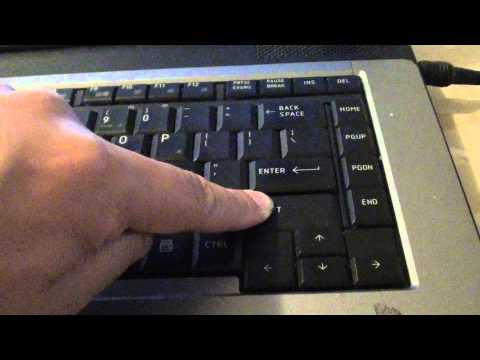
Title: Toshiba Laptop Keyboard Not Working and Making Dull Click Sound
Channel: ITJungles
Toshiba Laptop Keyboard Not Working and Making Dull Click Sound by ITJungles
Laptop Wifi Connect
Is Your Toshiba Laptop Keyboard DEAD? (FIX IT NOW!)
The chilling silence. You tap a key, then another, a growing sense of dread washing over you. Your Toshiba laptop keyboard, the very interface between your thoughts and the digital world, has gone dark. But before you resign yourself to the costly fate of a replacement or the cumbersome dance with an external keyboard, let’s explore the troubleshooting journey, one that could resurrect your beloved Toshiba. Prepare to be armed with knowledge and empowered to breathe life back into your keyboard with these effective and easy-to-follow steps.
Initial Assessment: Ruling Out the Obvious
Before diving into the intricate depths of your machine, we need to clear the shallow waters. Many seemingly dead keyboard issues are rooted in remarkably simple problems.
- The Power Button's Unlikely Suspect: Has your laptop completely frozen? In a desperate moment of frustration, you might have held down the power button, which is a hard reset. A hard reset can sometimes cause erratic behavior. Try a standard restart.
- The Accidental Mute: Check your function keys. Many Toshiba laptops have a dedicated key or key combination (often Fn + a function key, like F1 or F2) to disable the keyboard. Ensure this isn't inadvertently activated. Look for a keyboard icon on the function keys.
- The External Keyboard Connection: If you have an external keyboard connected, momentarily unplug it. Your Toshiba may be prioritizing this peripheral, temporarily disabling its built-in counterpart.
- The Simple Reboot: A classic for a reason. A simple reboot often resolves software glitches that can impact the keyboard’s function. Completely shut down the laptop, wait thirty seconds, and restart. This restarts the operating system and drivers.
Driver Dilemmas: The Key to Keyboard Communication
Drivers act as the translators between your keyboard and the operating system. Corrupted or outdated drivers are a common culprit behind keyboard malfunctions.
- Accessing Device Manager: Right-click the Start button (Windows logo). Select "Device Manager" from the menu. This central hub displays all the hardware connected to your PC, along with any potential errors.
- The Keyboard Section: Within Device Manager, navigate to "Keyboards" and expand the section. You should see your Toshiba's keyboard listed. There might be multiple listings.
- Driver Updates: Right-click on each of your keyboard entries (e.g., "Standard PS/2 Keyboard") and select "Update driver." Choose "Search automatically for drivers." Windows will attempt to find and install the latest drivers.
- Driver Reinstallation: If updating doesn't work, try uninstalling and reinstalling the drivers. Right-click on each keyboard entry, select "Uninstall device," and confirm. Restart your laptop. Windows typically reinstalls drivers during the boot process. If not, go back to Device Manager and click “Scan for hardware changes” in the Action menu.
- Hidden Devices: Sometimes, phantom drivers or conflicts exist. In Device Manager, click "View" and select "Show hidden devices." Look for any keyboard-related entries that appear faded or have warning symbols. These could indicate a problem. Try updating or, as a last resort, uninstalling these hidden devices.
The Sticky Situation: Cleaning and Cleansing Your Keyboard
Debris, dust, and crumbs can wreak havoc on a keyboard's delicate mechanisms. A thorough cleaning could be the solution.
- Power Down and Disconnect: Always power off your Toshiba and disconnect the power adapter before cleaning.
- The Inverse Vacuum: Turn your laptop upside down, gently tapping the bottom to dislodge loose debris. If you have a can of compressed air, use it to blow air between the keys, targeting areas where dust and crumbs might accumulate.
- The Keycap Removal Strategy: For a more thorough cleaning, consider carefully removing the keycaps. Use a small, flat tool (a plastic spudger is ideal) to pry them off. Be extremely cautious to avoid breaking the delicate keycap clips. Take photographs before you start so you can put them back correctly. It's easier to clean the keyboard with the keys removed.
- The Alcohol Rubdown: Dip a cotton swab or a soft, lint-free cloth (like a microfiber cloth) in isopropyl alcohol (rubbing alcohol). Gently wipe around the key switches and the underside of the keycaps. Isopropyl alcohol evaporates quickly and is generally safe for electronic components.
- The Reassembly Ritual: Once everything is dry, carefully snap the keycaps back into place. Remember your photos! Some keycaps have directional orientation, so make sure each keycap goes back in the correct spot.
BIOS Blues: The Firmware Factor
The BIOS (Basic Input/Output System) is the software that initializes your hardware during startup. Sometimes, a faulty BIOS can interfere with keyboard functionality.
- Accessing the BIOS: This varies between Toshiba models. Typically, you need to press a specific key (Del, F2, F12, Esc, or a combination of these) repeatedly during startup, immediately after powering on the laptop. Consult your Toshiba laptop's manual to determine the correct key or keys.
- Navigating the BIOS: Once in the BIOS, look for settings related to "Keyboard" or "USB Devices" (as keyboards often interact via USB). Ensure that the keyboard is enabled. In some BIOS settings, you may be able to test the keyboard.
- BIOS Updates (Use Caution!): Occasionally, a BIOS update can resolve compatibility issues, but this is a potentially risky procedure. Updating the BIOS incorrectly can render your laptop unusable. Only attempt a BIOS update if you are confident and have carefully researched the process for your specific Toshiba model. Go to the Toshiba website and find the drivers for your specific laptop to make sure that the keyboard drivers are the most updated ones.
Internal Investigations: When Hardware Fails
If the above steps fail, the problem might be a hardware issue, requiring a more involved approach.
- The Ribbon Cable Check: The keyboard connects to the motherboard via a thin ribbon cable. Over time, this cable can become loose or damaged. This is a delicate procedure.
- Disassembly: Carefully remove the screws from the laptop's bottom panel. (Consult your Toshiba laptop's service manual for exact screw placement.)
- Accessing the Keyboard: Gently lift the top panel to expose the keyboard. (Again, service manuals are your friend here.)
- Locating the Cable: Identify the ribbon cable that connects the keyboard to the motherboard. It's typically a thin, flat cable that plugs into a connector.
- Reseating the Cable: Carefully disconnect the ribbon cable from the connector. Check for any visible damage to the cable or the connector. Reinsert the ribbon cable, ensuring it is securely seated.
- Reassembly and Test: Put everything back together and restart your laptop. Test the keyboard.
- The Motherboard Inquiry: A faulty motherboard could also be the culprit. This is a complex repair that usually requires professional assistance. Signs of a bad motherboard include other system failures.
- The Keyboard Replacement Route: If all else fails, keyboard replacement is the most likely solution. Replacing a keyboard isn’t always the easiest task. Research how to remove the keyboard from your particular Toshiba laptop and what type of keyboard your model needs.
Software Conflicts: Navigating the Digital Minefield
Sometimes, rogue software can interfere with keyboard functionality.
- Safe Mode’s Sanctuary: Restart your laptop in Safe Mode. This loads a minimal version of Windows, with only essential drivers. If the keyboard works in Safe Mode, a software conflict is likely. Restart the laptop in the normal mode.
- Recent Installations: Have you installed new software or drivers recently? Try uninstalling them, one by one, to see if this resolves the keyboard issue.
- Booting Clean: Perform a clean boot. This starts Windows with a minimal set of drivers and startup programs, helping to identify conflicting applications. To do this, type "msconfig" in the Windows search bar and select "System Configuration." In the "Services" tab, check "Hide all Microsoft services" and click "Disable all." In the "Startup" tab, click "Open Task Manager" and disable all startup items. Restart your laptop. If the keyboard works, something in your startup programs caused the problem. Reactivate them one by one to find the culprit.
Preventative Measures: Safeguarding Your Keyboard's Longevity
Preventative maintenance is crucial to preserve your keyboard’s life.
- Regular Cleaning Rituals: Clean your keyboard regularly. A quick wipe-down with a microfiber cloth can remove dust and grime.
- Liquid Avoidance: Keep liquids away from your laptop. Spills can cause immediate and irreparable damage.
- Gentle Typing Habits: Avoid excessive force when typing. Keyboards are designed to withstand normal use, but excessive force can damage the key switches over time, especially on older laptops.
The Final Word: Don’t Despair
A "dead" Toshiba laptop keyboard is rarely truly a terminal condition. Armed with these troubleshooting steps, you're well-equipped to diagnose and fix the problem. The key is patience, a methodical approach, and a willingness to explore. By following these strategies, you may breathe new life into your keyboard and your device.
