how ram works in laptop
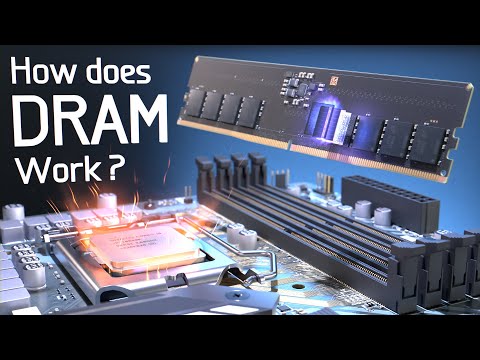
Title: How does Computer Memory Work
Channel: Branch Education
How does Computer Memory Work by Branch Education
how ram works in laptop, how to check ram working in laptop, how to know about ram in laptop, why ram is important in laptop
How Your Laptop's RAM REALLY Works (Mind Blown!)
Unlocking the Secrets: How Your Laptop's RAM Steals the Show (Seriously!)
Ever wonder what's buzzing inside your laptop? You see the sleek design, but what's truly making the magic happen? Well, buckle up. We're diving deep into the world of RAM. Get ready to have your mind blown. Because understanding RAM is crucial. It's the unsung hero of your computing experience.
RAM: The Ultimate Digital Workspace
Imagine your brain. You have short-term and long-term memory. RAM is like your short-term memory. It's where your laptop keeps the information it needs right now. Think of it as your workspace. It's where you keep your current files open. It's also where your currently running apps live. The more RAM you have, the bigger your workspace. This means you can handle more tasks simultaneously. Therefore, you enjoy a smoother, faster experience. Without RAM, your computer would be incredibly slow. It would be almost unusable.
Deciphering the RAM Jargon: DIMMs, SDRAM, and More
RAM isn't a simple concept. It comes in many forms. You'll hear terms like DIMM and SDRAM. DIMM (Dual Inline Memory Module) is the physical stick of RAM. You'll physically see it in your laptop. SDRAM (Synchronous Dynamic Random Access Memory) is the technology. It's how the RAM stores and retrieves data. There are different generations of SDRAM. Each generation offers improvements in speed and efficiency. Today, you'll commonly find DDR4 or DDR5 RAM. These advancements drastically boost performance. Consequently, older RAM types are becoming obsolete.
The Speed Factor: Megahertz and Beyond
Speed is incredibly important for RAM. It's measured in megahertz (MHz). Higher MHz numbers indicate faster RAM. Consider it the highway speed limit for your data. Faster RAM allows your laptop to access information quicker. This translates to a snappier performance. It's essential for demanding tasks such as video editing. It's also important for gaming. But remember, faster RAM needs a compatible motherboard. Otherwise, you won’t realize the full potential. You will have wasted your money completely.
RAM and the Bottleneck Blues: Why It Matters
RAM can be a bottleneck. This means it can slow down other components. It’s like a traffic jam on the highway. If your RAM isn't fast enough, your CPU and GPU may be waiting for data. This can lead to lag and frustration. A computer feels sluggish when RAM is insufficient. You will see programs taking forever to load. Even switching between apps will become a chore. To prevent this bottleneck, you need enough RAM. You also need RAM that is fast enough for your usage.
Upgrading Your RAM: A DIY Journey (Maybe!)
Considering an upgrade to your RAM? It can be a game changer. Increasing your RAM is often a very rewarding upgrade. It is also relatively inexpensive. However, check your laptop's manual first. Make sure the new RAM is compatible. You will need the correct type and speed. It's often a simple process, but proceed with caution. Be sure to shut down your computer. Then, disconnect the power cord. Open up your laptop. Locate the RAM slots. Finally, install the new RAM sticks. If you're not comfortable, seek professional help. Incorrect installation can damage your laptop.
RAM vs. Storage: Understanding the Difference
RAM is not storage. It's crucial to understand the different roles. Storage is like your hard drive or solid-state drive (SSD). It stores all your files. It also stores photos, videos, and your operating system. RAM holds the data currently in use. They work together in harmony. Storage is where you keep everything permanently. RAM is where you access and use things temporarily. Both plays vital roles in your computer's functionality. In essence, they complement each other. They are essential for a smooth user experience.
Spotting the Signs: When Your RAM Needs Help
How do you know if your RAM is struggling? There are several telltale signs. You might experience frequent program crashes. Your computer might freeze periodically. You could encounter slow performance. Also, you might see the computer getting slow quite often. In addition, you may be receiving "out of memory" errors. If you experience these symptoms, consider your RAM. You may benefit from an upgrade. You can also monitor RAM usage. Your operating system offers tools for this.
The Future of RAM: What Lies Ahead?
The technology is constantly evolving. Expect even faster and more efficient RAM in the future. We will continue see innovations. DDR5 is already on the market. The future generation is already in development. Manufacturers are also exploring new form factors. They're attempting to get more capacity in smaller spaces. Keep an eye on these developments. That way, you can stay ahead of the curve. The performance of RAM improves every year.
Conclusion: Embrace the Power of RAM
So, there you have it! RAM might seem complicated at first. However, it is a crucial component of your laptop. It's the foundation of a smooth computing experience. Now you understand what RAM does for your computer. You can make informed decisions. You can also ensure optimal performance. Understand RAM. Then, you can unlock the full potential of your laptop. Go forth and conquer your digital world!
Land Your Dream Tech Job: Work From Home, No Experience Needed!How Your Laptop's RAM REALLY Works (Mind Blown!)
Alright, tech enthusiasts, buckle up because we're about to dive deep into the often-misunderstood world of your laptop's RAM – the unsung hero silently working its magic behind the scenes. Think of this as a journey, a deep dive, not just a regurgitation of dry facts. We're going to peel back the layers, demystify the jargon, and finally understand how this crucial piece of hardware keeps our laptops humming. Prepare to have your mind slightly blown!
1. RAM: Your Laptop's Super Speedy Mental Notepad
Imagine your laptop as a brilliant, yet slightly forgetful, student. RAM (Random Access Memory) is like its incredibly fast mental notepad. This is where your laptop keeps the information it needs right now. Things like the operating system, the applications you have open, and the data you're actively working on are all stored here. Unlike the permanent storage of your hard drive or SSD, RAM is volatile – meaning the information vanishes when the power cuts off. Think of it like dry erase markers; what's written on the "board" is only there as long as the power's on. This speed is crucial; RAM is significantly faster than your storage drive, allowing for nearly instantaneous access to data.
2. Why Speed Matters: It's All About the "Quick Access"
Speed is the name of the game. Imagine trying to write a novel with a pen that has to travel across the country to get ink every time you want to write a word. That's what your laptop would be like if it had to constantly pull information from your hard drive. RAM eliminates this bottleneck. It's closer physically to the CPU (Central Processing Unit), the brain of your laptop, allowing for incredibly fast data transfers. The faster your RAM, the quicker your laptop can respond to your commands. That smooth scrolling, the instant app launches, the seamless switching between windows? You owe a debt of gratitude to your RAM.
3. Think of RAM Like a Desk: The More Space, The Better
Now, let's talk about capacity. Think of your RAM as the size of your desk. A larger desk (more RAM) allows you to spread out and have more "projects" (applications) open simultaneously without feeling cramped. A small desk (less RAM) forces you to constantly clear things off, meaning your laptop needs to frequently swap information to and from the slower storage drive, leading to sluggish performance. This is why having sufficient RAM is critical, especially if you're a multi-tasker, gamer, or video editor.
4. Decoding the RAM Specifications: DDR, Speed & Beyond
Let’s decode some of the jargon you might encounter. When you're shopping for a laptop or upgrading your RAM, you'll see things like "DDR4" or "DDR5." This refers to the type of RAM. DDR (Double Data Rate) is the technology, and the number (4, 5, or even 6 in the future) denotes the generation. Each generation is an improvement over the last, offering faster speeds and lower power consumption. You'll also encounter speed ratings in megahertz (MHz). Higher MHz generally means faster RAM. However, make sure your motherboard supports the RAM speed you choose. Compatibility is key!
5. RAM vs. Storage: Understanding the Difference
This is another common point of confusion. RAM is temporary storage, used for active tasks. Your hard drive or SSD is permanent storage, housing all your files, programs, and the operating system itself. Think of RAM as your working space and your storage drive as your filing cabinet. You keep the documents you need right now on your desk (RAM), and all the archives inside (Storage).
6. How RAM Impacts Your Daily Laptop Usage
Consider how RAM impacts your daily workflow. Opening multiple browser tabs, streaming music while working on a document, and running a video chat simultaneously can demand a large amount of RAM. If you’re low on RAM, your laptop will struggle, leading to slowdowns and even crashes. Conversely, sufficient RAM ensures that your laptop can handle these tasks with ease and efficiency.
7. Why Upgrading RAM is Sometimes a Smart Move
Sometimes, upgrading your RAM is the most cost-effective way to boost your laptop's performance. Especially if it is an older machine. If you notice your system slowing down, frequent swapping between applications or the dreaded spinning wheel of death, more RAM might be the answer. Before you upgrade, however, check your laptop’s specifications to ensure the upgrade is compatible and worth the effort.
8. The Role of Virtual Memory: When RAM Gets "Too Full"
When your RAM gets full, your operating system uses a technique called virtual memory. It uses a portion of your hard drive or SSD as "virtual RAM." This allows your laptop to continue running, but at a significantly slower pace. Think of it as creating extra "desk space" by using the floor. It's better than crashing, but it's much slower than having enough physical RAM.
9. RAM and Gaming: Unleashing the Graphics Beast
Gamers, listen up! RAM is a critical component for a smooth gaming experience. Games demand significant amounts of RAM to load textures, assets, and manage in-game processes. Insufficient RAM can lead to stuttering, lagging, and an overall frustrating experience. The more demanding the game, the more RAM you need.
10. RAM and Video Editing: A Workflow Champion
Video editing is another computationally intensive task. Video editing software processes huge amounts of data. RAM acts as a working area for your video projects. More RAM means you can work with larger files, handle more complex edits, and render your videos faster.
11. Monitoring Your RAM Usage: Staying in the Know
Modern operating systems have built-in tools to monitor your RAM usage. You can use the Task Manager (Windows) or Activity Monitor (macOS) to see how much RAM you're using, which applications are consuming the most, and whether you're hitting your RAM limits. This information is invaluable for troubleshooting performance issues or deciding if an upgrade is needed.
12. The Future of RAM: What's on the Horizon?
The world of RAM is constantly evolving. We can expect faster speeds, lower power consumption, and greater capacities in the years to come. New technologies like DDR5 and even potentially emerging technologies like persistent memory (which combines the speed of RAM with the non-volatility of storage) will reshape how we think about data access and processing.
13. RAM Troubleshooting 101: Common Issues and Fixes
Sometimes, RAM can experience problems. Memory leaks (where an application consumes more and more RAM over time) can slow down your system. If your laptop is crashing, displaying the infamous "blue screen of death," or experiencing unexpected errors, RAM might be the culprit. Running memory diagnostic tools, available in both Windows and macOS, can help identify and fix these issues.
14. Choosing the Right RAM: Factors to Consider
When choosing RAM, consider your laptop's specifications, intended use, and budget. Make sure the RAM type (DDR4, DDR5, etc.) is compatible with your motherboard. Consider the capacity (8GB, 16GB, 32GB, or even more) based on your workload. Higher speeds can sometimes improve performance, but they come at a premium. Researching reviews and comparing prices will help you make an informed decision.
15. RAM Myths Debunked: Separating Fact from Fiction
There are many misconceptions about RAM. Let’s clear up some things - More RAM always = faster performance. While it is true that the more RAM you possess the better the performance, it isn’t the only factor, as other things like the CPU, etc come in play. Another myth is that you can just ignore the RAM and everything will run perfectly. It does affect your laptop significantly.
Conclusion: Embrace the Power of RAM
So there you have it! RAM, that unsung hero of your laptop, is far more critical than most people give it credit. We've journeyed from the basics to the complexities, equipping you with a deeper understanding of how this crucial hardware component works. Armed with this knowledge, you can make informed decisions about your laptop's performance and ensure you get the most out of your digital life. Now you are a RAM aficionado and can impress all your friends with what you know about this technology!
FAQs: Your Burning RAM Questions Answered
1. How much RAM do I really need?
The ideal amount of RAM depends on your usage. For basic tasks like web browsing and email, 8GB might suffice. For gamers, video editors, or power users, 16GB or even 32GB is recommended. Always consider your workload and future needs when making your decision.
2. Can I replace or add RAM to my laptop?
This depends on your laptop. Some laptops allow for RAM upgrades, while others have soldered RAM that cannot be replaced. Consult your laptop's manual or manufacturer's website to determine if your system is upgradeable, and what the maximum RAM capacity is.
3. What's the difference between RAM and ROM?
ROM (Read-Only Memory) is non-volatile storage that stores firmware essential for a computer to boot. It is typically not upgraded. RAM, as we've discussed, is volatile memory for active data.
4. Does RAM affect battery life?
Yes, RAM consumes power. The more RAM you have, the
Laptop Speakers Dead? This SHOCKING Fix Will BLOW Your Mind!How computer memory works - Kanawat Senanan
By TED-Ed How computer memory works - Kanawat Senanan by TED-Ed
RAM Explained - Random Access Memory
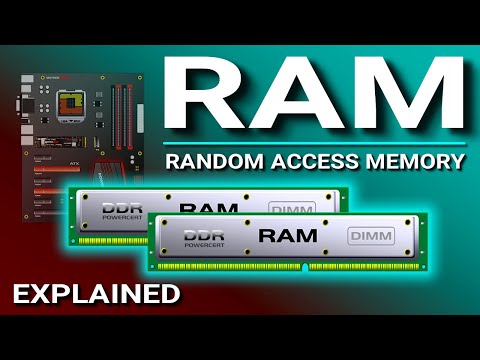
By PowerCert Animated Videos RAM Explained - Random Access Memory by PowerCert Animated Videos
What Is RAM and What Does It Do Guide
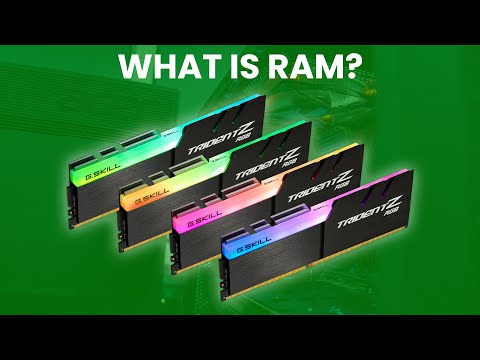
By GamingScan What Is RAM and What Does It Do Guide by GamingScan

Title: Basics of how RAM works
Channel: ITFreeTraining
Basics of how RAM works by ITFreeTraining
Laptop Wifi Hotspot
How Your Laptop's RAM REALLY Works (Mind Blown!)
We've all been there: staring at the spinning wheel, the dreaded beach ball, or the sluggish crawl of our laptop as it attempts to perform a simple task. Often, the blame is placed squarely on the shoulders of our hard drive, and while that's sometimes true, the real culprit – the unsung hero and the often-misunderstood workhorse of your laptop's performance – is RAM, or Random Access Memory. But how does RAM really work? Let's dive deep.
The Brain's Short-Term Memory: RAM's Role
Imagine your laptop's processor as its brain. Now, picture RAM as the brain's short-term memory, the workspace where it actively handles the data it needs right now. It's where your computer stores the information it’s actively using – the applications you have open, the documents you're editing, the websites you're browsing. Unlike your hard drive or solid-state drive (SSD), which store data long-term, RAM is volatile, meaning it loses its contents when the power is turned off. This volatility is precisely what makes it so incredibly fast.
DRAM vs. SRAM: The Two Primary RAM Technologies
There are two primary types of RAM, although you'll mostly encounter one in your laptop.
- Dynamic Random Access Memory (DRAM): This is the workhorse, the standard RAM you find in your laptop and most modern devices. DRAM stores data using tiny capacitors that hold electrical charges. Because these capacitors leak charge over time, DRAM requires constant refreshing – hence the word "dynamic." This refreshing process takes time, but it's a small price to pay for the vast amount of memory DRAM can pack into a small space.
- Static Random Access Memory (SRAM): SRAM is faster and more expensive than DRAM and is often used for the extremely fast cache memory within your CPU (Central Processing Unit). SRAM doesn't require refreshing because it uses a different circuitry that eliminates the charge leakage problem of DRAM.
Decoding DDR, DDR2, DDR3, DDR4, and DDR5: Speed, Efficiency, and Generations
The "DDR" in DDR4 or DDR5 stands for Double Data Rate. This critical technology is the backbone of modern RAM, because it sends data twice per clock cycle, effectively doubling the data transfer rate. Furthermore, each successive generation of DDR brings significant improvements.
- DDR: The first generation of DDR RAM, now largely obsolete.
- DDR2: An improvement over DDR, offering higher clock speeds and improved power efficiency.
- DDR3: This generation further increased speeds and decreased power consumption.
- DDR4: Currently the dominant standard for laptops and desktops. It boasts higher speeds, lower voltages, and improved performance compared to DDR3. We are talking about speeds that can reach an impressive 3,200MHz or higher.
- DDR5: The newest generation, delivering a significant leap in performance. DDR5 brings even higher speeds, increased bandwidth, and improved power efficiency. Current DDR5 speeds are commonly above 4800MHz and are constantly increasing.
Understanding RAM Speed (MHz) and Bandwidth (GB/s)
When you're comparing RAM, you'll see specifications for speed, measured in megahertz (MHz), and bandwidth, measured in gigabytes per second (GB/s).
- Speed (MHz): This refers to the clock speed of the RAM, which determines how quickly it can transfer data. Higher speeds generally mean faster performance, but the overall effect of speed on performance will vary with your processor.
- Bandwidth (GB/s): Bandwidth represents the amount of data that can be transferred per second. It is calculated by multiplying the data rate by the width of the memory bus. A wider memory bus and a higher data rate result in higher bandwidth. The higher the bandwidth, the faster the RAM can feed data to the processor.
RAM Capacity: Selecting the Right Amount
RAM capacity is measured in gigabytes (GB). This is the total amount of working space available to your laptop. The amount of RAM you need depends on how you use your laptop.
- 4GB: This is the bare minimum for basic tasks like web browsing and word processing.
- 8GB: A good starting point for everyday use, allowing you to run multiple applications simultaneously.
- 16GB: Ideal for gamers, video editors, and power users who run demanding applications or multitask heavily.
- 32GB and beyond: Reserved for professionals who frequently work with massive datasets, complex video projects, or other resource-intensive tasks.
The Memory Controller: The Traffic Cop of Your System
The memory controller is a crucial component that acts as the interface between the RAM and the rest of your system, coordinating the flow of data.
- Integrated vs. Discrete: In modern processors, the memory controller is often integrated directly into the CPU. Older systems used a dedicated memory controller on the motherboard. The integration of the memory controller into the CPU usually brings performance and efficiency advantages.
- Channels: Memory controllers support multiple channels, typically dual-channel or quad-channel in modern laptops and PCs. Channels increase bandwidth by allowing the memory controller to communicate with multiple RAM modules simultaneously.
RAM Latency: The Hidden Performance Factor
RAM latency is the time it takes for the RAM to respond to a request. It is usually measured in clock cycles. This is not the same as speed. Lower latency is generally better, as it means the RAM can respond to requests more quickly. Latency is commonly specified as CAS Latency (CL) or CL. Lower CL values represent lower latency, and hence, better performance.
RAM Modules: The Physical Components
RAM comes in the form of modules, also known as sticks or DIMMs (Dual Inline Memory Modules). These modules plug into slots on your laptop's motherboard.
- SODIMM: Small Outline Dual Inline Memory Module. This is the form factor used in laptops.
- Slots: Most laptops have either two or four RAM slots. Knowing the number of slots helps you upgrade your RAM.
Upgrading Your Laptop's RAM: A Practical Guide
Upgrading your laptop's RAM can significantly boost its performance. However, consider your Laptop's specifications before upgrading.
- Compatibility: Ensure your new RAM modules are compatible with your laptop's motherboard and processor. This includes the correct type (DDR4 or DDR5), speed (MHz), and form factor (SODIMM). Check your laptop's manual or manufacturer's website.
- Slots: Determine the number of RAM slots available in your laptop. This dictates how many modules you can install.
- Capacity: Determine if you're upgrading from a single stick or matching pairs (Dual Channel).
- Installation:
- Turn off your laptop and unplug the power adapter.
- Open your laptop's chassis (consult your laptop's manual).
- Locate the RAM slots.
- Carefully insert the new RAM modules into the slots, ensuring they are properly aligned.
- Close the chassis.
- Boot up your laptop and verify the new RAM is recognized in your system settings.
Troubleshooting Common RAM Issues
Sometimes, RAM problems can occur. Here's what to do.
- Blue Screen of Death (BSOD): Often indicates a RAM issue.
- Freezing or Crashing: RAM errors can cause your laptop to freeze or crash unexpectedly.
- Memory Diagnostic Tools: Use built-in memory diagnostic tools or third-party software to test your RAM for errors.
- Reseating RAM Modules: Sometimes, reseating the RAM modules can resolve minor issues.
- Replacing Faulty Modules: If your RAM is faulty, you'll need to replace the defective module.
RAM and Virtual Memory: The Backup Plan
When your laptop runs out of physical RAM, it uses virtual memory by using a portion of your hard drive or SSD to store data. This means that some of the data it uses is stored on the hard drive, even though it will run much slower than RAM.
- Swap File or Pagefile: The page file or swap file is the area of your hard disk that is used for virtual memory.
- Impact on Performance: Using virtual memory significantly slows down your laptop, as hard drives and SSDs are much slower than RAM.
Conclusion: RAM - A Critical Component
RAM is a critical component that greatly affects your laptop's performance. Understanding how it works, selecting the right amount, and being able to troubleshoot any problems will greatly improve your computing experience. With the right amount of RAM, your laptop will be equipped to handle the demands of your daily tasks and applications with superior efficiency.
