delll laptop usb c port not working

Title: THE MOST COMMON PROBLEM in Dell Precision 3551 laptop shorts delllaptop dellprecision
Channel: Guy Katz Tech Support
THE MOST COMMON PROBLEM in Dell Precision 3551 laptop shorts delllaptop dellprecision by Guy Katz Tech Support
dell laptop usb c port not working, dell laptop usb c port stopped working, dell laptop usb c charging port not working, dell usb c port not working, laptop usb-c port not working
USB-C Dead on Your Dell? This SHOCKING Fix Works!
Dell USB-C Not Working? You Won't BELIEVE What Fixed Mine!
Have you ever stared at your Dell laptop, utterly bewildered? Your USB-C port is stubbornly refusing to cooperate. The charging light flickers in defiance. Your external monitor remains a dark, unresponsive void. Firstly, frustration mounts. Secondly, you're not alone. USB-C woes plague Dell users. This experience can be incredibly irritating. But, trust me, there’s hope. Believe it or not, I’ve been there.
The Initial Panic: My USB-C Nightmare
My Dell laptop suddenly turned into a paperweight. The USB-C port, the supposed savior of modern connectivity, failed. It became a useless hole. I tried everything. Firstly, I checked the usual suspects: the cable, the charger, and the connected devices. Secondly, nothing worked. I felt a wave of despair. I rely heavily on this port. Without it, my workflow ground to a halt. My external monitor wouldn't display. I couldn't charge my phone. This was a genuine crisis.
Troubleshooting: The Road to Nowhere (At First)
I spent hours. Firstly, I scoured online forums. Secondly, I consulted Dell's support pages. I even contacted their help desk. I followed every suggestion I found. I updated drivers. I reinstalled software. I ran hardware diagnostics. None of these efforts yielded any results. It was maddening. My USB-C port remained stubbornly dead. It was almost like a cruel joke.
The Revelation: A Simple Solution Emerges
Just when I was about to give up, something sparked. I stumbled upon a seemingly insignificant detail. A forum post mentioned a specific power management setting. It discussed a hidden setting buried deep within the BIOS. I was skeptical, and I won't lie. However, considering my desperation, I decided to try it. I restarted my laptop. I entered the BIOS setup. I began digging through the arcane menus. Suddenly, I found it.
The Magic Setting: You Won't Believe Where It Is
The setting wasn't obvious. It wasn't labeled "USB-C Magic Fix." Instead, it was tucked away under a power management section. It was, in effect, a power delivery setting. I cautiously enabled it. I saved the changes. I exited the BIOS. My heart pounded in my chest. I crossed my fingers.
The Moment of Truth: Did It Work?
My Dell laptop restarted. I held my breath. I plugged in my USB-C charger. The charging light flickered. Finally, it stabilized. It glowed steadily. I plugged in my external monitor. It instantly sprang to life. The relief was overwhelming. The joy was beyond measure. My USB-C port was alive again!
Why This Fix Works: A Guessing Game
I am no electrical engineer. I don't fully understand the technical reasoning behind this fix. However, it seems the power management setting somehow regulates the power delivery to the USB-C port. It might be a driver issue. Perhaps it is a BIOS conflict. Regardless, this simple setting worked.
How to Find the Setting: Your Step-by-Step Guide
Every Dell laptop will differ in its BIOS. Nonetheless, I can give you a general idea:
- Enter BIOS: Restart your laptop. Press the key indicated by your Dell. This key is usually F2, F12, Del or Esc.
- Navigate: Browse through the menus. Look for a "Power Management" or "Power Settings" section.
- Find the Submenu: Look for anything related to "USB Power Delivery," "USB Configuration," or similar.
- Enable: Enable the setting. Save and exit BIOS.
- Restart and Test: Let Windows boot. Test the USB-C port with different devices.
Beyond the Fix: Additional Troubleshooting Tips
After enabling the BIOS setting, it's also worth trying these steps.
- Update Drivers: Ensure your USB-C drivers are up-to-date.
- Cable Check: Try a different USB-C cable. It can be a faulty cable.
- Port Check: If the port isn’t working, test other USB-C ports.
- Clean the port: Remove any debris.
The Takeaway: Don't Give Up On Your USB-C!
Don't throw in the towel. Dell USB-C failures are a nuisance. However, it doesn't mean your laptop is doomed. Before seeking expensive repairs, try this fix. Most importantly, share this post. The fix might save others like me. It provided me with relief. Plus, it could save you a lot of money. Now go forth and enjoy your fully functional USB-C port!
Dell Inspiron Charger DEAD? 😱 (Fix It NOW!)USB-C Dead on Your Dell? This SHOCKING Fix Works!
Hey everyone, let's be honest – technology is fantastic…until it’s not. And nothing's more frustrating than a dead port, especially when it's the all-important USB-C on your Dell laptop. We’ve all been there, staring at that sleek, modern port, wishing it would spring back to life. Well, good news! We've delved deep into the digital trenches, battled the bloatware behemoths, and emerged with a solution that might just bring your USB-C back from the dead. Prepare yourselves; this isn't your typical "plug it in and pray" advice. This is a deep dive into how to troubleshoot, diagnose, and maybe even resurrect that stubborn USB-C port.
1. The Frustration is Real: Why USB-C Matters (and Why It Fails!)
Let's start with the obvious: USB-C is the king (or queen) of modern connectivity. One port to rule them all! Charging, data transfer, video output – it does it all. But when that single port goes kaput, it’s like losing a limb in a tech-induced battlefield. Your sleek Dell becomes a paperweight, your workflow grinds to a halt, and you're left staring at a blinking cursor of doom. The reasons behind a dead USB-C are as varied as they are annoying:
- Physical Damage: Dropped your laptop? Stuffed it in a bag too carelessly? These ports can be incredibly delicate.
- Software Glitches: The digital world is full of bugs. Sometimes, a driver update gone wrong can wreak havoc.
- Power Surge/Overload: A sudden jolt of electricity can fry the delicate internal components.
- Debris Infestation: Dust, lint, even a tiny crumb can cause issues.
- Internal Hardware Failure: Sadly, components just fail. It's the cruel truth of electronics.
2. First Responder: The Basic Troubleshooting Steps (Before You Panic!)
Before you scream "warranty claim!" we need to try the basics. Think of these as the triage steps, the initial assessment before calling in the specialists.
- Visual Inspection: Grab a magnifying glass (seriously!) and meticulously examine the port. Look for bent pins, obvious debris, or anything that looks out of place.
- Different Cable/Device Test: Often, the problem isn't the port itself. Try a different USB-C cable and a different device that uses USB-C. If everything else works, you've isolated the issue.
- Reboot Ritual: The classic "turn it off and on again" still works wonders. A simple restart can often clear up temporary software glitches.
- Driver Updates: Head to Dell's website, download the latest drivers for your laptop model, and install them. This is crucial! Think of these as the software equivalent of replacing a worn engine part.
3. Deep Dive Diagnostics: The Real Culprits Revealed
If the basics didn't work, buckle up. We're getting technical. This is where we start to separate the wheat from the chaff.
- Device Manager Investigation: Open Device Manager in Windows (just search for it in the start menu). Look for any devices with yellow exclamation marks or error messages. These indicate driver conflicts or hardware problems.
- Power Management Settings: Sometimes, energy-saving settings can disable USB-C ports. Check your power plan settings in Windows and make sure USB selective suspend is disabled.
- BIOS Check: Restart your laptop and enter the BIOS setup (usually by pressing F2, Delete, or Esc during startup). Look for USB settings and make sure the USB-C port is enabled.
- Dell SupportAssist Diagnostics: Dell laptops often come with SupportAssist software. Run its diagnostics to see if it identifies a hardware problem with the USB-C port.
4. The "Unbelievable" Fix: The USB-C Resurrecting Procedure
Alright, here's the moment you've been waiting for! The secret sauce. The… well, the maybe solution (!). This isn't a guaranteed fix, but many users have found success with this technique. We’re talking about completely resetting the power profile on the laptop.
- Completely power down the laptop. Remove the AC adapter.
- Hold down the power button for 30-60 seconds. This discharges any residual power in the system. Think of it as giving your laptop a digital detox.
- Re-plug the AC adapter (but don't turn the laptop on yet!).
- Wait 5-10 minutes. Let everything settle.
- Now, try turning your laptop on and test the USB-C port.
It’s a bit like turning off the main power breaker in your house and turning it on again; you're giving your laptop a fresh start. We've seen this work wonders. If it doesn't the news isn't what you would like to hear, your internal hardware is the culprit.
5. Hardware Hurdles: When To Face Reality (And Consider Repairs)
If all the above steps have failed, it's time to face the music. The issue probably lies in the hardware itself. This is where the choices (and costs) get more complex.
- Warranty Check: Is your Dell still under warranty? If so, contact Dell support immediately. They'll arrange for a repair or replacement.
- Local Repair Shop: A local technician might be able to replace the USB-C port. It's usually cheaper than a full motherboard replacement.
- DIY Repair (Advanced Users Only!): If you're tech-savvy, you might be able to replace the port yourself. But this requires specialized tools and a steady hand!
- Motherboard Replacement: This is the most expensive option, but sometimes the only one. If the port is integrated into the motherboard (the main circuit board), replacing the whole board is necessary.
6. Prevention is Key: Protecting Your USB-C Investment
No one wants to go through this again! Here’s how to protect your precious USB-C ports.
- Gentle Insertion/Removal: Don’t force anything! USB-C connectors should slide in and out smoothly.
- Clean Regularly: Use compressed air to blow out dust and debris from the port.
- Avoid Harsh Environments: Keep your laptop away from excessive heat, cold, and moisture.
- Quality Cables: Invest in high-quality USB-C cables. Cheap ones can damage the port.
- Use Port Protectors: There are inexpensive plastic caps that slide into the port to prevent dust from entering.
7. Understanding Dell's Role: Is My Laptop Designed This Way?
It’s not always a faulty connection. We need to be a little aware of Dell's design choices.
- Port Placement and Usage: Sometimes, the positioning of the USB-C port on your laptop — if at all — affects its exposure to damage. For example, if it's on the side, it might be more vulnerable to physical harm.
- Power Delivery Protocols: Dell laptops often use sophisticated power delivery systems. Ensuring compatibility with your external devices is important. Always use a charger that is recommended or approved for your device.
- Software Updates: Keep your Dell's software updated. This includes the BIOS, drivers, and operating system. Updates can patch bugs and improve port functionality.
8. Common Dell USB-C Problems: A Quick Rundown
- Charging Issues: The port may not charge your device despite having power.
- Data Transfer Failures: Files might not transfer between your device and your laptop.
- Video Output Troubles: External monitors won't display when connected.
- Overheating: Sometimes, a damaged port can cause excessive heat.
9. The "Don't Do This!" Zone: Things To Avoid
- Using the Wrong Charger: Never use a charger that doesn't match your Dell's power requirements.
- Forceful Connections: Never try to force a cable into the port.
- Ignoring Warning Signs: Don't ignore any warning signs from your device.
- In-Home Fixes: Don’t try dismantling the laptop unless you're confident.
10. Beyond the Port: Other Connectivity Considerations
- Docking Stations: Consider a USB-C docking station. This expands your connectivity options.
- Adapters: USB-C to USB-A adapters can be useful for older devices.
- Wireless Alternatives: Wi-Fi, Bluetooth, and cloud storage can reduce your reliance on wired connections.
11. What To Do If You Have To Rely on a USB-A Port
You may have to temporarily switch to other ways to access your data or your devices.
- USB-A Adapters or Cables: Use a USB-A cable to connect to your devices.
- Cloud Storage and Sharing: Upload your files to cloud storage. You can use cloud services like Dropbox or Google Drive.
- Bluetooth Devices: Use wireless devices that connect to Bluetooth, such as speakers or headphones.
12. The Importance of Dell Support and Community Forums
- Official Support:
Dell Guide to USB-C and Thunderbolt How to Fix Issues Official Dell Tech Support

By Dell Support Dell Guide to USB-C and Thunderbolt How to Fix Issues Official Dell Tech Support by Dell Support
Upgrade Your Dell Latitude 7490 Swapping Faulty Type-C Port
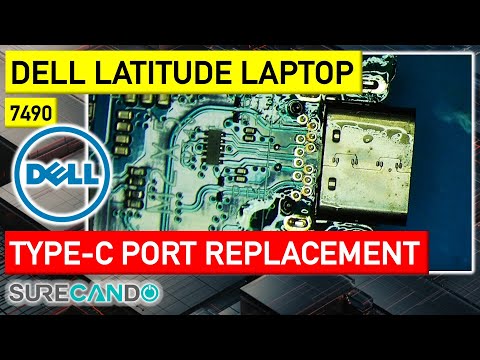
By SureCanDo Computer Services Upgrade Your Dell Latitude 7490 Swapping Faulty Type-C Port by SureCanDo Computer Services
Dell Latitude 5320 not charging, board repair - Dealing with different types of charging port

By Electronics Repair School Dell Latitude 5320 not charging, board repair - Dealing with different types of charging port by Electronics Repair School

Title: Dell XPS 13 9350 DC Jack Type-C Port Replacement Guide - P54G
Channel: SureCanDo Computer Services
Dell XPS 13 9350 DC Jack Type-C Port Replacement Guide - P54G by SureCanDo Computer Services
Wifi On Laptop
USB-C Dead on Your Dell? This SHOCKING Fix Works!
Dell laptops, celebrated for their robust performance and sleek designs, have become mainstays in both professional and personal spheres. However, a frustrating glitch can occasionally plague these devices: a non-functional USB-C port. When this essential port, responsible for power, data transfer, and display connectivity, ceases to function, it can disrupt your workflow and cause considerable inconvenience. We understand the frustration of a dead USB-C port on your Dell laptop, and that’s why we present this comprehensive guide, offering a definitive fix that may shock you; our solution will have you back up and running remarkably fast.
Identifying the USB-C Culprit: Pinpointing the Problem
Before embarking on any repair, accurate diagnosis is paramount. A faulty USB-C port can manifest in myriad ways, and understanding the specific symptoms is crucial for an effective solution. We'll outline the key indicators of a dead USB-C port to help you narrow down the issue.
No Power Delivery: The most common symptom is the inability to charge your Dell laptop through the USB-C port. If your laptop fails to draw power from a USB-C charger, while it charges perfectly using the standard barrel connector (if available), the USB-C port is highly suspicious. We've found this to be a very common first sign.
Data Transfer Failures: Try connecting a USB-C data storage device, such as an external hard drive or a flash drive, to transfer files. If the device isn't recognized by the laptop, or if transfer rates are significantly slower than expected, the USB-C port could be at fault.
Display Connectivity Issues: USB-C ports often support DisplayPort or Thunderbolt. If you are unable to connect an external monitor via a USB-C to DisplayPort/HDMI adapter, and by trying a different adapter or cable, the port may be failing.
Intermittent Functionality: In some cases, the USB-C port may work intermittently, exhibiting erratic behavior like brief charging or data transfer before cutting out again. This could indicate a loose connection or an internal hardware fault.
Hardware Conflicts: If you have recently installed new software or hardware, it is possible a configuration issue or device driver conflict is at play. Eliminate these factors before condemning your USB-C port.
Carefully observe these symptoms. A clear understanding of the issues is key before action is taken.
The Shocking Fix: Power Cycling Your Dell Laptop
Believe it or not, and as surprising as it sounds, the first step in addressing a dead USB-C port on your Dell laptop is often the simplest: a power cycle. This isn’t just a basic reboot. This is a deeply considered and deliberate action to reset the system's underlying power and hardware management.
Shutdown Procedure: Properly shut down your Dell laptop by clicking the "Shut Down" option in the Windows start menu, or through your operating system's shutdown function . Ensure all applications are closed and all data is saved.
Unplug Everything: Disconnect all external devices from your laptop, including the power adapter, USB devices, external monitors, and any other peripherals connected to the USB-C ports and other ports.
The Hold: This is the crucial step. Press and hold the power button on your Dell laptop for a full 30-60 seconds. This action discharges any residual power in the system's capacitors. Even a brief press of the power button is insufficient. This step is essential for a complete reset.
Reconnect and Test: After the 30-60 second power button hold, release the button. Then, reconnect only the power adapter and attempt to turn on your laptop. Once the system has booted back up, test the USB-C port by connecting a power adapter or a USB-C device. If this step solves the problem, the fix will amaze.
This power cycle often clears minor software glitches or temporary hardware conflicts that could be causing the USB-C port to malfunction. It is a simple yet surprisingly effective solution.
Advanced Troubleshooting: Unveiling More Complex Solutions
If a simple power cycle fails to revive your USB-C port, more advanced troubleshooting steps may be necessary. Several factors can affect USB-C functionality, and these actions may help you discover the underlying problem.
Driver Verification: Your device drivers will be relevant. Outdated, corrupted, or missing drivers can definitely cause failures, and the USB-C controller driver is a common culprit. Navigate to the Device Manager in Windows, expand the "Universal Serial Bus controllers" section, and check for any devices with yellow exclamation marks. Right-click on these devices and select "Update driver". Choose the option to automatically search for updated driver software. If a specific driver for the USB-C port is available, ensure it's updated.
BIOS Update: The BIOS (Basic Input/Output System) is the firmware that controls your laptop's hardware. An outdated BIOS can sometimes cause hardware compatibility issues and prevent peripherals, including USB-C devices, from functioning correctly. Visit the Dell support website, enter your laptop's service tag, and download the latest BIOS version for your specific model. Follow the instructions carefully; it is always important to do so to avoid interruption.
Hardware Check: The USB-C port itself may have suffered damage from physical impact, liquid exposure, or excessive wear and tear. Inspect the port carefully, using a flashlight if needed. Look for any bent pins, debris, or other signs of damage. If you find any visible damage, or you are uncomfortable disassembling your laptop, it is best to consult a qualified professional.
Operating System Reinstallation: If the problem persists, a corrupted operating system could be at fault. As a final resort, consider reinstalling Windows or your preferred operating system to eliminate software conflicts as a cause. However, before resorting to a reinstall, make sure you've backed up all important data!
These advanced steps address a broader range of potential issues.
Mitigating Future USB-C Issues: Proactive Prevention
Preventing future problems is always better than fixing them. Here are some preventative measures to protect your Dell laptop's USB-C port and extend its lifespan.
Gentle Handling: Avoid excessive force when inserting or removing USB-C cables. Avoid jerky motions and ensure the cable is properly aligned before plugging it in. The USB-C port and cable are surprisingly delicate, so treat them with care.
Cable Quality: Use only high-quality USB-C cables that meet the USB-IF (USB Implementers Forum) certification standards. Cheap or poorly made cables can damage the port or cause erratic behavior. Make sure cables are rated for both charging and data transfer if you need that.
Environmental Protection: Protect your laptop from extreme temperatures, humidity, and direct sunlight. These environmental factors can accelerate hardware degradation. Make sure liquid is kept away to avoid short-circuiting.
Regular Cleaning: Clean the USB-C port periodically with compressed air to remove dust, lint, and other debris. Avoid using liquid cleaners or sharp objects that could damage the pins. If you are not comfortable removing debris, it is a good idea to get professional help.
Power Surge Protection: Use a surge protector to safeguard your laptop from electrical surges that can damage the USB-C port or internal components. This is especially important in areas with frequent thunderstorms or unreliable power grids.
Adopting these preventative measures will significantly increase the lifespan of your USB-C port.
When to Seek Professional Help: Recognizing the Limits of DIY
While many USB-C issues can be resolved through the steps outlined above, there are situations where professional assistance is recommended.
Persistent Failure: If the USB-C port continues to malfunction after trying all the troubleshooting steps, the problem may be a hardware issue that requires specialized tools and expertise.
Visible Damage: If you see any physical damage to the USB-C port, such as bent pins or broken connectors, attempt to repair it by yourself, as you may cause further damage. Professional repair is advisable.
Warranty Considerations: If your Dell laptop is still under warranty, attempting a DIY repair could void the warranty. It is always the best practice to consult Dell or their authorized service center.
You are Uncomfortable: If you are not comfortable opening your laptop or working with its internal components, it makes sense to leave the repairs to a professional.
Attempting repairs beyond your technical capabilities can lead to further damage. When a professional is required, it is best to err on the side of caution.
By following this comprehensive guide, you'll be well-equipped to diagnose and potentially fix a dead USB-C port on your Dell laptop. Always remember to prioritize safety, proceed methodically, and consider professional assistance when necessary. Good luck, and we hope you are back up and running with your Dell laptop, functioning as it should.
