do airpods work on pc laptops

Title: How To Connect AirPods To PC & Laptop - Full Guide
Channel: GuideRealm
How To Connect AirPods To PC & Laptop - Full Guide by GuideRealm
do airpods work on windows laptops, does airpods work on windows laptop, can airpods work on windows laptop, do apple airpods work with pc laptops, do airpods work with pc laptop, can i use airpods with pc laptop
AirPods on PC? The SHOCKING Truth (You NEED to Know!)
Can Your AirPods Actually Conquer Your PC? The Unexpected Reality Revealed!
Hey there, tech enthusiast! Ever wondered about pairing your sleek AirPods with your trusty PC? Then buckle up, because you’re about to discover some seriously unexpected truths. We’re diving deep into the world of wireless audio, and trust me, it’s more complex than you might think. This isn't just about plugging and playing. Instead, get ready for a journey through the wireless audio landscape! And that’s coming up fast.
The Initial Hurdles: Decoding the Bluetooth Battlefield
First things first. Can AirPods even connect to a PC? The answer, thankfully, is a resounding "yes!" But the pathway to audio bliss isn't always smooth. Because PCs and AirPods sometimes speak different Bluetooth dialects, you may run into some snags. Bluetooth compatibility is the foundation here. Therefore, understanding it is crucial. Windows, Apple, and Bluetooth profiles, oh my! Ultimately, the process involves pairing.
For instance, you’ll likely need to navigate your PC's Bluetooth settings. Afterward, you simply search for devices. Then, your AirPods should pop up. Pairing them appears simple at first. However, this is often where the frustrations begin. The connection might be unstable. You might also encounter audio quality hiccups.
Decoding the Codecs: Unmasking Audio Quality Secrets
Here’s a crucial detail. Did you know the audio codec makes a huge difference? This codec is basically the language your AirPods use to communicate. Similarly, the PC must understand this language. Unfortunately, the conversation isn't always perfect. AirPods, being Apple devices, are optimized for Apple's own proprietary codecs. Consequently, PCs default to more generic codecs.
So, what does this mean in the real world? It means your audio might not sound quite as amazing. The richness, depth, and clarity you expect from your AirPods could be diminished. Moreover, the default codecs might compress the audio more. This can lead to a noticeable loss of quality.
Overcoming the Obstacles: Troubleshooting Your Way to Audio Nirvana
Don't despair, though! Fixing these issues isn’t impossible. First, ensure your PC’s Bluetooth drivers are up to date. Outdated drivers create several problems. Furthermore, this affects connection stability. Next, check your Windows audio settings. You might need to adjust the audio input and output devices. Sometimes this simple step can resolve a lot.
Also, consider the positioning. The placement of your PC and AirPods matter. Obstructions can also interrupt the signal. If the signal is obstructed, the connection could drop. Consequently, this could lead to a frustrating experience. Experiment with different locations. That will help you find the optimal listening spot.
The Software Symphony: Exploring Third-Party Solutions
Here’s a useful tip. Certain third-party software can enhance your experience. These tools often provide better codec support. They might also help you manage your AirPods settings. However, remember to research before downloading. Always prioritize secure and reputable software.
Third-party solutions can be a game-changer. They often offer better compatibility. Therefore, you can unlock your AirPods’ full potential. But, be cautious. The goal is the best audio experience.
Microphone Mayhem: Addressing the Built-in Microphone Dilemma
Using your AirPods as a microphone on your PC also comes with its own set of challenges. Again, compatibility is key. Sometimes, the microphone function doesn't work seamlessly. Frequently, it is less than ideal. You might notice echo or poor sound quality. Therefore, test the microphone. Make sure the settings are correct.
Fortunately, many of these issues are solvable. Experiment with your PC's microphone settings. Try adjusting the input level. This can improve clarity.
The Battery Ballet: Managing Power for Prolonged Playtime
Furthermore, battery life can vary. The battery performance of your AirPods might differ on a PC. Ultimately, this depends on usage. Consequently, longer sessions might drain the battery faster. Be prepared to charge your AirPods frequently. Always keep an eye on the battery level. Don't let dead batteries interrupt your work or play!
The Verdict: Is It Worth the Effort?
So, after all this, is pairing your AirPods with your PC actually worth it? The answer depends on your individual needs and priorities. Ultimately, if audio quality is paramount, you might want to explore alternatives. Consider dedicated PC headphones or a sound card. However, if you want the convenience of using your AirPods, go for it!
Because AirPods already have portability, they’re great for everyday use. They're also simple to use, and they are often convenient. Therefore, assess your needs. Then, make an informed decision!
Embrace the Experiment: Your Personal Audio Adventure
In conclusion, connecting your AirPods to your PC is possible. However, it's not always a perfect process. You could face several hurdles. But, with a little troubleshooting and patience, you can achieve a decent listening experience. Dive in! Experiment and learn what works best for you. The journey is part of the fun. Happy listening!
ASUS Laptop Touchpad DEAD? Windows 10 FIX! (Shockingly Easy!)Alright, buckle up, tech enthusiasts! We’re diving headfirst into the often-murky waters of using your beloved AirPods with your PC. Forget those boring, textbook-like articles; we're going to unravel the shocking truth – the real deal, the nitty-gritty – about AirPods on PC. We're going to make sense of the connectivity, the quirks, and everything in between. Ready? Let’s roll!
AirPods on PC? The SHOCKING Truth (You NEED to Know!)
This isn’t just about pairing; it's about understanding. We’re going to go beyond the basic "it works, it doesn't work" and explore the why and the how. Prepare to have your assumptions challenged, your knowledge expanded, and perhaps, your expectations adjusted.
1. The Apple Ecosystem Trap: Why AirPods Were Born for iPhones (and Macs)
Let's be honest, Apple designed AirPods to be the ultimate companion for iPhones, iPads, and Macs. It's like a perfectly choreographed dance – seamless pairing, intuitive controls, and that oh-so-sweet ecosystem integration. Think of it like peanut butter and jelly; they just belong together. But what happens when you try to introduce them to a different party, like your Windows PC? Well, that’s where things get a little… complicated. The instant pairing magic, the automatic device switching, the spatial audio bliss – a lot of that gets a bit lost in translation. It’s like trying to make a square peg fit into a round hole, but hey, we're going to give it our best shot!
2. Bluetooth Basics: Your Gateway (and Sometimes, Your Headache)
The key to connecting your AirPods to your PC? Bluetooth. It's the universal language that allows these tiny wonders to communicate with a much wider world than just Apple devices. But Bluetooth, as much as we love it, can be a fickle friend. Think of it like a radio signal; it can be susceptible to interference, range limitations, and the occasional drop-out. So, before you blame your AirPods, let’s troubleshoot, shall we?
3. Pairing AirPods with Your PC: The Initial Dance
The first step is the most crucial. Let's get your AirPods and your PC acquainted. Here’s the dance, step-by-step:
- Open Windows Settings: Click the Windows icon (usually bottom left) and then the gear-shaped "Settings" icon.
- Navigate to Devices: Select "Devices."
- Choose Bluetooth & other devices: Click on "Bluetooth & other devices."
- Add a Bluetooth device: Click the "+ Add Bluetooth or other device" button.
- Select Bluetooth: Choose "Bluetooth."
- Put AirPods in Pairing Mode: Open the charging case of your AirPods, keeping the AirPods inside. Press and hold the button on the back of the case until the status light flashes white. This tells your AirPods they are ready to be paired.
- Select Your AirPods: Your PC should scan for available Bluetooth devices. Select your AirPods from the list.
- Follow Prompts: Windows will prompt you; follow the on-screen instructions.
And voilà! You should be connected. Now, for the real adventure!
4. The Sound Quality Conundrum: Decoding the Audio Experience
Ah, the audio quality. This is where things can get interesting. While you'll likely get sound, it might not be the same pristine experience you get on your iPhone. Why? Well, Apple uses some proprietary audio codecs for its devices, like AAC, that are optimized for their hardware. Windows, on the other hand, might default to a less efficient codec like SBC. This can result in noticeable audio degradation. It's akin to watching a beautiful 4K movie on a slightly blurry screen; it works, but it's not quite the same.
5. Microphone Mayhem: Testing and Troubleshooting
Using your AirPods for calls or voice chat on your PC? This is another area where hiccups can occur. Make sure you select your AirPods as both the audio output and the input device in your PC's sound settings. Also, be aware that microphone quality isn't always the best. Test it out and adjust your expectations accordingly.
6. Spatial Audio? Not Exactly.
If you're hoping for the immersive spatial audio experience you get with your iPhone, prepare for disappointment. This feature is heavily reliant on Apple’s hardware and software integration. Don't expect the same level of head-tracking and directional sound on your PC. It's like ordering a gourmet meal and getting a basic burger instead; it fills a need, but it's not what you hoped for.
7. Battery Life Realities: Managing the Power
The battery life on your AirPods is a thing of beauty when paired with Apple products. However, on a PC, you might find the battery draining a bit faster. Keep an eye on your AirPods' battery level from the Bluetooth settings on your PC. You can also use third-party apps (more on that later) to monitor the battery more closely.
8. Bluetooth Drivers: Your Silent Guardians
Bluetooth drivers, the unsung heroes of wireless connectivity, can be the source of many problems. Make sure your Bluetooth drivers on your PC are up-to-date. Outdated drivers can lead to all sorts of issues, from pairing problems to audio glitches. Think of them as the gatekeepers of smooth Bluetooth operation.
9. Third-Party Apps: The Unofficial Heroes
Sometimes, a little help is needed from outside sources. Several third-party apps can enhance your AirPods experience on your PC. These applications can provide extra features such as:
- Battery Monitoring: Get more precise battery level information.
- Equalizer settings: Fine-tune the audio to improve sound
- Advanced Settings: Tweak a variety of settings pertaining to AirPods and Bluetooth devices.
10. Headphone Jack Alternative: The Wired Option
If you're consistently experiencing Bluetooth woes, there's always the wired option, but this depends on which AirPods you own. If your PC has a headphone jack and you really are adamant that your AirPods sound their very best, consider using a Lightning to 3.5 mm audio cable (if you have AirPods Max or a newer model) for an unadulterated audio experience. This gets rid of Bluetooth entirely, giving you the best possible audio quality from a wired source.
11. The Windows-Specific Glitches: Common Problems and Solutions
Windows, like any operating system, has its quirks. Here are some common issues when using AirPods on a PC, along with possible solutions:
- Connectivity Drops: Try restarting your PC and AirPods. Make sure your Bluetooth driver is updated. Move your AirPods closer to your PC.
- Audio Stuttering: Close any other applications that might be using Bluetooth or audio. Also, consider reinstalling your Bluetooth drivers.
- Microphone Issues: Make sure the microphone is selected as the input device. Check the microphone volume levels in your PC's settings.
- Pairing Problems: Restart both devices and re-initiate the pairing process. Ensure the AirPods are in pairing mode.
12. The Future: What Does it Hold for AirPods on PC?
The integration of AirPods on PCs may improve over time. As Bluetooth technology evolves and Apple continues to refine its products, we hope to see better compatibility. As the popularity of wireless headphones grows, the demand for seamless integration will likely push developers to create better solutions.
13. Balancing Expectations: Setting Realistic Goals
It's important to approach this with realistic goals. While you can get your AirPods working on your PC, don’t expect the same flawless experience you get with an Apple device. Understand the limitations and be prepared to troubleshoot.
14. AirPods Alternatives: Exploring Other Options
Sometimes, the best solution is a different path. If you're primarily using headphones with your PC, explore headphones designed for Windows. Many brands offer excellent Bluetooth headphones with features like active noise cancellation and optimized audio codecs for Windows. It’s like choosing the right tool for the job; sometimes, a specific hammer is better than a general-purpose screwdriver.
15. Final Verdict: Is It Worth It?
So, is it worth it to use your AirPods on your PC? The answer depends on your needs and expectations. If you already own AirPods and want to use them occasionally, go for it! However, if you’re a heavy PC user and prioritize a seamless experience, you might want to explore dedicated PC headphones.
Wrapping Up: The Takeaway Truth
In conclusion, getting AirPods working on your PC is definitely achievable, but it’s not always a smooth sailing. Be prepared for connection hiccups, potential audio quality compromises, and the occasional driver issue. However, armed with the right knowledge and a little patience, you can still enjoy your AirPods on your PC. The key is to manage your expectations and know what you are signing up for. It's like a relationship; you learn to adapt, compromise, and find ways to make it work. Now go forth and conquer those digital landscapes!
FAQs: Your Questions Answered
1. Can I use spatial audio on my PC with AirPods?
Unfortunately, no. Spatial audio is tightly integrated into the Apple ecosystem and is not readily available on a PC.
2. Why is the audio quality sometimes not as good on my PC?
Windows uses certain audio codecs that are less sound-friendly than Apple
HP Laptop Toolbar GONE WILD! (Fix This NOW!)Does AirPods 4 Noise Cancellation works on Windows Laptop
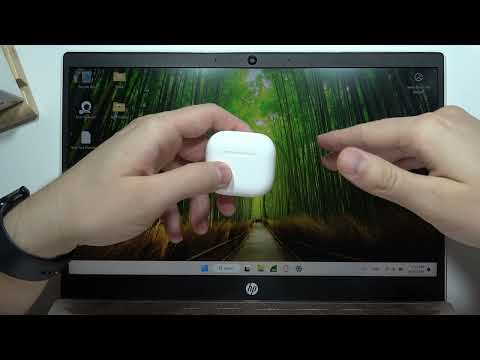
By HowToDevices Does AirPods 4 Noise Cancellation works on Windows Laptop by HowToDevices
How to Connect AirPods 4 to Laptop Windows 10 & 11

By HowToDevices How to Connect AirPods 4 to Laptop Windows 10 & 11 by HowToDevices
How to Connect AirPods Pro 2 to PC Laptop Windows 11 or 10

By Tech Tips How to Connect AirPods Pro 2 to PC Laptop Windows 11 or 10 by Tech Tips

Title: How to Fix AirPods 4 Mic not Working on PCLaptop
Channel: HowToDevices
How to Fix AirPods 4 Mic not Working on PCLaptop by HowToDevices
Wifi On Laptop
AirPods on PC? The SHOCKING Truth (You NEED to Know!)
For years, Apple’s AirPods have reigned supreme in the wireless earbuds market, lauded for their seamless integration within the Apple ecosystem. But what about those of us who pledge allegiance to the PC? Can the siren song of AirPods truly extend its reach beyond the walled garden of macOS and iOS? The answer, as you’ll discover, is a resounding – and surprisingly complex – yes. Prepare to delve into the nuances of pairing, connectivity, and the potential pitfalls you might encounter. This isn’t just about turning on Bluetooth; it's about crafting the best possible AirPods experience on your Windows machine. Let’s unravel the “shocking truth” and ensure you know everything you need to maximize your listening pleasure.
Pairing Your AirPods: The Initial Connection
The initial pairing process with a Windows PC is fundamentally the same as with any other Bluetooth device. It's straightforward, but the true test of the pairing is the stability and reliability of the connection. To begin, ensure both your AirPods and your PC are ready. Open your AirPods case, keeping the earbuds inside. On your PC, navigate to the Bluetooth settings. You can usually find this via the system tray or by searching for "Bluetooth" in the Windows search bar. Click "Add Bluetooth or other device". Select "Bluetooth" from the options presented. Your PC should begin scanning for available devices. Your AirPods, if they're in pairing mode, should appear in the list as "AirPods" or something similar. Select them. A brief pairing process will ensue, potentially involving a prompt to confirm the pairing. Once completed, your AirPods should be connected. You should then immediately test the connection by playing some audio. This initial step lays the groundwork, but it’s just the beginning.
Troubleshooting Common Pairing Issues
Even with a straightforward pairing process, issues can arise. The most common headaches include problems with the connection remaining stable, or the system not detecting the AirPods at all. The good news is that most of these problems can be resolved with a bit of sleuthing. First, always check the battery levels on both your AirPods and your PC. A low battery on either can lead to connection instability. Next, check that Bluetooth is activated and functioning correctly on your PC. Go to your Bluetooth settings and check that the Bluetooth toggle is switched to “On.” Consider running the Bluetooth troubleshooter in Windows. This is easily accessible through the Troubleshoot settings, often found under System in your settings menu. This can automatically identify and resolve common connectivity issues. Finally, ensure that your AirPods are up-to-date with the latest firmware. While the AirPods themselves are updated via an iOS device, older firmware versions can sometimes cause compatibility problems. Check your paired devices list in your settings. If the AirPods are listed as "paired, but not connected," then go back and try disconnecting and reconnecting them, following the initial pairing instructions above.
Optimizing Audio Quality on Your PC
The quality of audio is paramount. While you'll be able to play audio through your AirPods, Windows isn't specifically optimized for them. Therefore, you may have to do some tweaking. To improve audio quality, explore the available audio enhancements in your Windows sound settings. Right-click the speaker icon in your system tray and select "Open Sound Settings." From there, you can access device properties for your AirPods. In these device properties, you may find audio enhancements. Experiment with these carefully, and consider the use of additional software for sound personalization. You can also explore the use of an equalizer, either built-in to your music player or through a third-party application. Finding the optimal equalizer settings for the AirPods can significantly enhance the listening experience. Pay particular attention to the bass and treble adjustments to find a balanced and enjoyable sound. Note also that the audio codec being used can greatly affect sound quality. A2DP (Advanced Audio Distribution Profile) is commonly used for Bluetooth audio. However, newer codecs, like aptX (if your PC supports it), can provide higher fidelity audio. Unfortunately, AirPods do not support aptX.
AirPods Features That May Be Missing
The fully integrated and seamless experience you get with an iPhone or iPad is not necessarily replicated on a PC. The key features that may feel diminished include automatic device switching, and the ability to easily check battery life. Additionally, features such as spatial audio will not function directly, without third-part software. Automatic device switching, a hallmark of the AirPods experience, is not supported on Windows in the same intuitive manner. You won't be able to smoothly transition between your PC, your phone, and other Apple devices. You will need to disconnect and reconnect manually. Checking battery life becomes a more manual process. Unlike the instant pop-up on your iOS device, on your PC, you'll likely have to open the Bluetooth settings or rely on an application designed for that purpose. Finally, the ability to customize touch controls is also limited. Windows doesn't natively offer the same level of control over the double-tap and other gestures.
Third-Party Software and Workarounds
Fortunately, the limitations of the native Windows experience can be mitigated with the help of third-party software. Several applications are available that attempt to bridge the gap and provide a more seamless AirPods experience on your PC. These apps typically offer features like simplified battery monitoring, enhanced touch control customization, and sometimes, even simulated spatial audio. Be sure to research any software before installing it. Check user reviews and make sure you are downloading from a trusted source. Another workaround involves using the iCloud for Windows application. While not specifically designed for AirPods, it allows you to access your iCloud data, which can be helpful if, for instance, you want to manage your music library.
Maximizing Battery Life and Performance
Preserving battery life is crucial for wireless earbuds. Several steps can be taken to improve the battery life of your AirPods. Start by minimizing the volume level. The louder you listen, the quicker the battery drains. Also, consider turning off features you don't need, such as spatial audio or other audio enhancements. Another factor is keeping your AirPods in their case when not in use. This charging case extends the overall battery life. Finally, always keep both your AirPods and the charging case clean. Dust and debris in the charging contacts can impede charging.
Spatial Audio: A Note of Caution
Spatial audio is a standout feature of the AirPods Pro and AirPods Max, providing a more immersive listening experience. On Windows, achieving true spatial audio is problematic at best. Some third-party software may attempt to simulate the effect, but the results often fall short of the true, head-tracked spatial audio that’s possible with Apple devices. Temper your expectations. Don't expect the same level of sophistication, or accuracy. For most users, the benefits available are minimal.
The Verdict: AirPods on PC – Worth It?
So, are AirPods a good choice for PC users? The answer depends on your priorities. If you're deeply invested in the Apple ecosystem and prioritize seamless cross-device integration, the experience on Windows will be less perfect than with an iPhone. However, if you value audio quality, comfort, and the convenience of wireless earbuds, AirPods are still a viable option. You'll need to be patient. You will have to go through some extra steps to ensure optimal performance. But, with a little bit of tweaking and the right software, you can still enjoy a high-quality and enjoyable audio experience on your Windows PC.
