laptop keyboard numbers not working

Title: Laptop Keyboard Number's Keys Not Working Problem Laptop Num Keys OnOff Shortcut Keymacnitesh
Channel: Mac Nitesh
Laptop Keyboard Number's Keys Not Working Problem Laptop Num Keys OnOff Shortcut Keymacnitesh by Mac Nitesh
laptop keyboard numbers not working, laptop keyboard numbers not working windows 11, laptop keyboard numbers not working except 5 6, laptop keyboard number pad not working, hp laptop keyboard numbers not working, my laptop keyboard numbers not working, lenovo laptop keyboard numbers not working, dell laptop keyboard numbers not working, acer laptop keyboard numbers not working, lenovo laptop keyboard number keys not working
Laptop Keyboard Numbers DEAD? FIX This NOW!
Laptop Keyboard Numbers: Reboot Your Numerical Input!
Has your laptop's number pad suddenly gone silent? Are those digits refusing to cooperate? Don’t panic just yet. Indeed, a dead number pad can be incredibly frustrating. But, before you resign yourself to a new keyboard, let's troubleshoot. We'll resurrect your numeric keys. So, prepare to breathe life back into those digits!
The Silent Treatment: Unmasking the Culprit
First, let's explore common causes. Often, we overlook the simplest solutions. The fix might be surprisingly straightforward. For example, is your Num Lock key engaged? This tiny key is your key to numerical freedom. Many laptops have a dedicated Num Lock key. Furthermore, pressing it toggles the number pad's functionality. Observe the key's indicator light. If it's off, your number pad is deactivated. Therefore, try pressing the Num Lock key. See if that awakens those slumbering numbers.
Beyond Num Lock: Unveiling Deeper Issues
However, the problem might extend beyond a simple key press. Sometimes, software glitches or driver conflicts may be the issue. So, we need a more thorough investigation. Consider these possibilities.
- Driver Dilemmas: Outdated or corrupted drivers are potential villains. Your keyboard's drivers manage communication with your laptop. To update them, navigate to your Device Manager. Search your operating system. Then, expand the "Keyboards" section. Right-click on your keyboard device. Select "Update driver". Choose the option to search automatically for updated driver software.
- Software Conflicts: Certain software can interfere with keyboard functions. For instance, some programs use the number pad for shortcuts. Try closing recently opened applications. See if this resolves the issue.
- Hardware Hiccups: Although less likely, there could be a physical problem. Carefully inspect the number pad's keys. Look for any visible damage or debris. Try cleaning the keys with compressed air. Maybe this will dislodge any obstructions.
Troubleshooting Tactics: A Step-by-Step Rescue Plan
Now, let's get hands-on. We'll walk through a few practical solutions.
- Restart Your Laptop: This simple step resolves many temporary software glitches. In particular, restarting can refresh your system. After the restart, check your number pad again.
- Run a Hardware Troubleshooter: Windows has a built-in hardware troubleshooter. It can often identify and fix common issues. To access it, go to your Control Panel. Then, navigate to "Troubleshooting". Select "Hardware and Sound". Finally, run the keyboard troubleshooter.
- Check Your Keyboard Settings: System settings could be configured incorrectly. Go to your Control Panel or System Preferences. Look for keyboard or input device settings. Review and then adjust any relevant options.
- Test with an External Keyboard: Connect an external keyboard. Check if its number pad functions correctly. If the external keyboard works, the issue is more likely isolated to your laptop's keyboard.
- Reinstall Keyboard Drivers: If driver updates fail, consider reinstalling them. In Device Manager, right-click your keyboard. Choose to uninstall the device. Restart your laptop. Windows will usually reinstall the drivers automatically.
Advanced Diagnostics: When the Simple Solutions Fail
If the basic steps didn't work, don't despair. Some deeper investigations are left.
- System Restore: Did the problem start recently? If so, consider using System Restore. This will revert your system to a previous state. This can undo any recent software changes.
- Check for Malware: Malware can sometimes disrupt system functions. Run a full system scan with your antivirus software.
- Operating System Reinstallation: As a last resort, consider reinstalling your operating system. Ensure you back up your files first. This is a more drastic measure. But it can resolve persistent software issues.
Laptop Keyboard Number Pad Savior: Final Thoughts
In conclusion, a non-functional number pad is certainly unwelcome. Luckily, solutions often exist. Start with the simple Num Lock check. Then, explore the troubleshooting steps. However, patience and persistence are key. Therefore, follow these suggestions. You'll likely resurrect your laptop's number pad. Ultimately, with a bit of investigation, you'll restore full functionality. You'll be back to typing numbers quickly and efficiently. Good luck!
Fallout 4 Refusing to Launch on Your HP Laptop? FIX IT NOW!Laptop Keyboard Numbers DEAD? FIX This NOW!
Hey everyone! Ever found yourself staring at your laptop screen, desperately trying to type in a crucial number, only to be met with…nothing? That sinking feeling when your laptop keyboard numbers decide to stage a silent protest is a universal experience. We've all been there, right? It’s like your trusty digital sidekick suddenly throws you a curveball, disrupting your workflow and, frankly, making you want to chuck your laptop across the room. But before you do anything drastic, take a deep breath. Because, trust me, in most cases, there's a fix! We’re delving into the frustrating predicament of dead laptop keyboard numbers and, more importantly, how to breathe life back into them.
1. The Great Numerical Silence: Unveiling the Problem
Let’s be honest, when your laptop keyboard numbers give up the ghost, it can feel like a small digital apocalypse. Imagine trying to crunch numbers for your taxes, write a detailed report, or even just type in your password to access your precious files, only to find your numerical companions MIA. It’s maddening! This is where the hunt for the cause begins. Is it a simple software glitch, or are we dealing with something more sinister, like a hardware malfunction? Let's explore what might be lurking beneath the surface of your unresponsive numerical keypad. It is far more common that a few clicks can cure the problem.
2. The Num Lock Enigma: Your First Line of Defense
Okay, hold up! Before we start tearing things apart, let's revisit the basics. Remember that little light, often labeled "Num Lock," on your keyboard? Sometimes, it's the simplest things that trip us up. If your Num Lock key is activated, the numbers on your keyboard might be functioning as a separate numerical keypad. Try pressing the Num Lock key. Did the light go off? Great! Now try typing numbers. If it worked, consider yourself a pro. If not, let’s keep digging. The Num Lock key is often the culprit, the initial gatekeeper to your numerical sanity.
3. Rebooting to Rescue: The Magic of a Restart
Sometimes, all your laptop needs is a good old-fashioned reboot. Think of it as a digital reset button. A quick restart can often clear out any temporary software glitches that might be causing the problem. It’s like hitting the refresh button on your life – sometimes you just need a fresh start. Try shutting down your laptop completely, waiting a minute or two, and then powering it back on. Then, test those numbers again. It might seem too simple, but you'd be surprised how often this works.
4. Driver Dilemma: Are Your Keyboard Drivers Up-to-Date?
Drivers are the software that tells your computer how to communicate with its hardware. Think of them as the translators between your keyboard and your operating system. Outdated or corrupted drivers can definitely cause problems. So, how do we check them? Here’s a simplified guide:
- Windows: Right-click on the Start menu and select "Device Manager." Look for "Keyboards" and expand the list. Right-click on your keyboard and select "Update driver."
- Mac: Generally, Macs aren’t as driver-dependent as Windows machines when it comes to keyboards. However, check for system updates in "System Preferences" > "Software Update."
Updating your drivers can be like giving your keyboard a software upgrade, ensuring it speaks the same language as your operating system.
5. Sticky Keys & Filter Keys: Tweaking Accessibility Settings
Windows and macOS have accessibility features that can sometimes interfere with keyboard functionality. Sticky Keys and Filter Keys, for example, are designed to help users with mobility impairments, but they can, occasionally, create unintended issues.
- Sticky Keys: This feature allows you to press modifier keys (Shift, Ctrl, Alt) one at a time instead of simultaneously.
- Filter Keys: This feature ignores brief or repeated keystrokes.
To check and disable these features:
- Windows: Go to "Settings" > "Ease of Access" > "Keyboard." Make sure both "Sticky Keys" and "Filter Keys" are toggled off.
- Mac: Go to "System Preferences" > "Accessibility" > "Keyboard." Untick the boxes for "Sticky Keys" and "Slow Keys."
6. External Keyboard Test: Isolating the Problem
Let's get Sherlock Holmes on this one. Try connecting an external USB keyboard to your laptop. If the numbers on the external keyboard work, it strongly suggests the problem lies within your laptop's internal keyboard. If the numbers on the external keyboard also don't work, the problem might be operating system related – although you may have a bigger problem.
7. Dust Bunnies and Crumbs: The Physical Inspection
Sometimes, the problem is as simple as a physical obstruction. Dust, crumbs, or other debris can get lodged beneath the keys, preventing them from registering your presses. Turn off your laptop and carefully inspect the key area. Use a can of compressed air to clear out any debris. Be gentle! You don't want to damage the keys. Remember, prevention is always better than cure.
8. Software Conflicts: Check for Interference
Certain software programs can sometimes cause keyboard issues. For instance, if you’ve recently installed a program that heavily utilizes keyboard shortcuts, there's a chance it might be interfering with your numerical keys. Try temporarily closing any recently installed or suspicious programs and see if that resolves the problem.
9. BIOS/UEFI Settings Check
In rare cases, the issue could be related to settings in your BIOS or UEFI, the software that loads before your operating system. Accessing these settings varies depending on your laptop's manufacturer. Generally, you'll need to press a specific key (like Delete, F2, or Esc) during startup to enter the BIOS/UEFI. Search for your model's specific instructions online. Look for keyboard settings and make sure they're enabled. Be cautious when navigating the BIOS/UEFI, as incorrect changes can cause further problems.
10. Troubleshooting in Safe Mode: A Diagnostic Tool
Safe Mode starts your computer with a limited set of drivers and software. This is a great diagnostic tool. If the numbers work in Safe Mode, it indicates a software conflict is the issue. If they still don't work, the problem is more likely hardware-related.
- Windows: Restart your laptop and repeatedly press F8 or Shift+F8 (depending on your system) during startup. Then, select "Safe Mode."
- Mac: Restart your Mac and hold down the Shift key until you see the Apple logo.
11. System Restore: Rolling Back to a Previous State
If you suspect a recent software update or installation caused the problem, a system restore might be the answer. This feature allows you to revert your system to a previous state, before you started having issues, hopefully fixing whatever problem the update might have caused.
- Windows: Search for "Create a restore point" in the Start menu and follow the instructions.
12. Hardware Issues: The Grim Reality
Okay, let's face it: sometimes, the problem is the hardware. If you've tried everything else, and nothing works, the issue might be a damaged keyboard or a problem with the laptop's motherboard. This is where things get a little more complicated, involving professional repair or potentially replacing the keyboard.
13. Repair Options: Seeking Professional Help
If you're not comfortable opening up your laptop or replacing parts, it's time to seek professional help. Local computer repair shops can diagnose the problem and offer repair or replacement options. Contact your laptop's manufacturer's support for help.
14. Preventing Future Problems: Keyboard Care Tips
Once you've fixed your keyboard, it's time to put in place some prevention.
- Clean Regularly: Use compressed air to blow out dust and debris.
- Avoid Spills: Keep liquids away from your keyboard.
- Use a Keyboard Cover: Consider a keyboard cover for added protection.
- Handle with Care: Be gentle when typing.
15. The Joy of Numbers: Back in Action!
So, there you have it! We hope this guide has been helpful in getting those laptop keyboard numbers back in working order. Facing down the issue of dead keyboard numbers can initially feel daunting, but remember the steps we've outlined. You can approach the problem with confidence. Usually, a simple fix awaits, but keep in mind that the best solutions are often the simplest ones.
The Closing Chapter
We've navigated the tricky terrain of unresponsive laptop keyboard numbers, and hopefully, you are now on your way to numerical freedom. Through a combination of troubleshooting techniques, from the basic Num Lock switch to the deeper dives of driver updates and hardware checks, we've equipped you with the knowledge and tools to conquer this digital frustration. Remember, keeping your laptop clean, being mindful of software conflicts, and understanding the nuances of your operating system's settings are key to preventing future numerical nightmares. If you're still struggling, don't hesitate to seek professional help. Your typing life is worth it!
FAQs
1. Why are my laptop keyboard numbers not working, even after pressing Num Lock?
While Num Lock is often the culprit, the problem could also be due to outdated drivers, software conflicts, physical debris, or even hardware issues. Go through the steps mentioned in this article.
**2. Can I fix my laptop keyboard
Laptop Internet Down? FIX It NOW! (Emergency Guide!)Number Keys not Working in Windows 10 and Windows 11 - 1 Simple Fix

By Iviewgle Number Keys not Working in Windows 10 and Windows 11 - 1 Simple Fix by Iviewgle
Fix Keyboard Numbers not Working Windows 1110

By Murugan S Fix Keyboard Numbers not Working Windows 1110 by Murugan S
How to Fix Some Keys Not Working on Laptop Keyboard Keyboard Not Working on Windows 10 & 11

By Real Insight How to Fix Some Keys Not Working on Laptop Keyboard Keyboard Not Working on Windows 10 & 11 by Real Insight
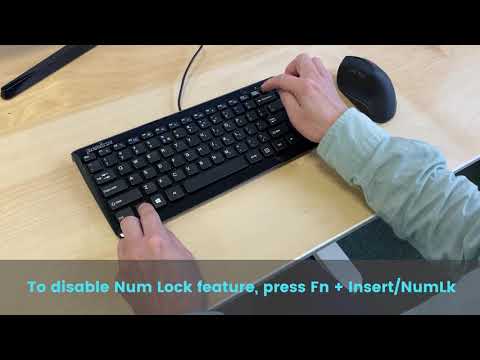
Title: Keyboard Typing Numbers Instead of Letters Fix DisableEnable Fn Lock
Channel: Perixx
Keyboard Typing Numbers Instead of Letters Fix DisableEnable Fn Lock by Perixx
Laptop Working
Laptop Keyboard Numbers DEAD? FIX This NOW!
We've all been there: staring at a screen, fingers poised, ready to unleash a torrent of numbers, only to be met with…nothing. The dreaded moment when your laptop keyboard numbers, those essential digits that power spreadsheets, data entry, and countless other tasks, decide to take an unscheduled vacation. But don't despair! Before you rush off to buy a new keyboard, or even worse, a whole new laptop, let us guide you through a comprehensive troubleshooting journey. We’ll unlock the secrets to reviving those unresponsive keys and get you back to crunching numbers with confidence.
Understanding the Problem: Pinpointing the Source of the Numeric Blues
Before we charge headlong into solutions, let's take a moment to diagnose the enemy. The inability of your number keys to function can stem from a variety of origins. Pinpointing the culprit is the first, critical step. We’ll examine the common triggers and the less-frequent, but equally frustrating causes.
Num Lock Activating and Deactivating
The most typical offender is the Num Lock key. This little button, often located near the top right corner of your keyboard, toggles the numeric keypad – the array of numbers typically found on the right-hand side of extended keyboards. When Num Lock is engaged, the numeric keys, including those embedded within letters (like "7" on the "U" key), become active. When deactivated, these keys may perform their alternative functions (e.g., cursor controls). On many laptops, particularly smaller models, the Num Lock function is shared with other keys, requiring the use of the "Fn" (Function) key in conjunction with Num Lock.
Driver Malfunctions
Your keyboard, like all hardware, relies on drivers, which are software programs that allow your operating system to communicate with the device. Corrupted, outdated, or missing drivers can wreak havoc on keyboard functionality, including the specific behaviour of the number keys.
Hardware Issues
While software is often the culprit, sometimes the problem lies in the physical realm. This includes internal damage, liquid spills, or simply wear and tear on the keyboard itself. Identifying whether the problem is hardware-related can help you take specific steps.
Operating System Glitches & Conflicts
Your operating system, whether it’s Windows, macOS, or something else, can also cause conflicts or malfunctions. A recent update, a corrupted system file, or conflicts with other software programs could be interfering with your keyboard's function.
Troubleshooting Symphony: A Step-by-Step Revival Plan
Now, let's roll up our sleeves and commence the repair. This is a carefully curated process designed to systematically address the potential problems.
1. The Num Lock Check: A Simple Beginning
The first and simplest fix is to make sure your Num Lock key is in the required state. * Locate the Num Lock key on your keyboard, or the equivalent. * Press it once. Observe if the number keys work. * If they still do not function, press the Num Lock key again. * If your laptop lacks a dedicated Num Lock key, you may need to press the "Fn" key and the Num Lock key (usually located on a key that also serves as a number).
2. Inspecting the Input Devices: Driver Refresher
Outdated, corrupted, or missing drivers are a primary source of keyboard problems. * Windows: * Right-click on the "Start" button and select "Device Manager." * Expand the "Keyboards" section. You should see your keyboard listed (e.g., "HID Keyboard Device"). * Right-click on your keyboard and select "Update driver." Choose the option to search automatically for updated driver software. Follow the prompts. * If the search doesn't find anything, try uninstalling the keyboard driver (right-click, "Uninstall device"). Then, restart your laptop. Windows will attempt to reinstall the driver automatically upon startup. * macOS: * macOS generally handles keyboard drivers automatically, but it's worth checking for system updates, as these can sometimes address driver-related issues. * Go to the Apple menu > System Preferences > Software Update. Install any pending updates.
3. The Hardware Inspection: Physical Assessment
If software solutions fail, it's time for a physical investigation. * External Keyboards: If you're using an external keyboard, try plugging it into a different USB port. This can rule out a port malfunction. Also, try the keyboard on another computer to see if the same problem persists. This helps identify whether the issue lies with the keyboard itself. * Laptop Keyboard (Internal): * Power Off: Completely shut down your laptop. * Visual Inspection: Examine the number keys for any physical damage, such as loose keys or debris trapped underneath. Use a can of compressed air to carefully dislodge any visible particles. * Liquid Damage: If you suspect liquid has been spilled on the keyboard, carefully wipe away any moisture. Avoid using the laptop until it's fully dried. (It's best to have a professional examine the keyboard.)
4. System-Level Checks: Software Conflicts & System Integrity
Sometimes, the problem resides within the operating system itself.
* Windows System File Checker (SFC):
* Open Command Prompt as an administrator (search for "cmd," right-click, and select "Run as administrator").
* Type sfc /scannow and press Enter.
* This utility scans for and attempts to repair corrupted system files.
* macOS First Aid:
* Open Disk Utility (search for "Disk Utility" in Spotlight).
* Select your startup disk.
* Click "First Aid" and then "Run."
* This tool checks for and attempts to repair disk errors.
* Safe Mode Boot (Windows & macOS):
* Booting your laptop in Safe Mode disables non-essential drivers and software, which can help isolate the cause of the problem.
* If the number keys work in Safe Mode, it indicates that a third-party program or driver is the likely culprit. You can then troubleshoot by uninstalling recently installed programs one by one until the issue is resolved.
5. Advanced Troubleshooting: More Comprehensive Solutions
If the above steps fail, we delve deeper. * Keyboard Troubleshooter (Windows): * Go to Settings > Update & Security > Troubleshoot. * Select "Keyboard" and run the troubleshooter. * Reinstalling the Keyboard Device (Windows): * In Device Manager (see step 2), right-click on your keyboard device and select "Uninstall device." * Restart your laptop. Windows should automatically reinstall the keyboard driver. * Create a New User Profile (Windows & macOS): * A corrupted user profile can sometimes cause keyboard issues. Creating a new profile can help determine if this is the case. If the number keys work in the new profile, the problem likely lies in your original profile.
6. Extended Solutions: When All Else Fails
For those persistent issues, more extreme actions might be necessary. * System Restore (Windows): * This option reverts your system to a previous point in time. * Search for "Create a restore point" in Windows. * Open "System Restore" and follow the prompts to restore your system to an earlier date when your keyboard was functioning. * Reset Your PC (Windows): * As a last resort, you can reset your PC to its factory settings. * Go to Settings > Update & Security > Recovery. * Choose "Reset this PC." Be aware that this will erase all your data, so back up your important files beforehand.
Preventative Strategies
Once you’ve fixed the problem, let’s make sure it doesn’t happen again, or that it doesn’t cause irreparable damage.
- Regular Cleaning: Use a dry, soft cloth to regularly wipe down your keyboard. Avoid using excessive liquid or harsh chemicals.
- Protective Covers: Employ a keyboard cover to protect against spills, dust, and debris.
- Software Updates: Keep your operating system and drivers up to date to prevent compatibility issues and ensure optimal keyboard performance.
- Caution with Liquids: Never place drinks near your laptop, and immediately address any spills.
- Gentle Keying: Avoid excessive force when typing to extend the life of your keys and internal mechanisms.
When to Seek Professional Assistance
While most keyboard problems can be resolved through the above solutions, sometimes, the problem is beyond our ability to fix.
- Internal Component Damage: If you suspect that internal components, such as the keyboard’s circuit board, have been physically damaged as a result of a drop or liquid spill, it's time to contact a professional repair service.
- Software Proficiency Limitations: If the troubleshooting steps are beyond your technical expertise, and you are not comfortable with advanced operations, or you are unsure about manipulating system files, then it is best to consult a computer repair professional.
- Persistent Issues: Should the problem continue to persist even after trying all
