dell laptop f keys function not working

Title: If Function keys do not work on the Laptop F1 - F12
Channel: Simple Tech
If Function keys do not work on the Laptop F1 - F12 by Simple Tech
dell laptop fn keys not working, dell inspiron fn keys not working, why are my function keys not working on my dell laptop, dell function keys not working
Dell Laptop F Keys DEAD? This FIX Works!
Dell Laptop F Keys: Reanimating Your Function Keys (The Ultimate Guide)
Ever found yourself staring at a Dell laptop, its F keys unresponsive, a digital brick wall hindering your workflow? You're not alone. This frustrating predicament plagues countless users. Therefore, let's dive into solutions. This guide provides a path toward resurrecting those dormant function keys.
The Frustrating Reality of Non-Functional F Keys
Picture this: you're elbows-deep in a spreadsheet. Or, perhaps, you're tweaking audio levels in a video editor. Suddenly, your F keys—the keys designed for shortcuts—decide to take a vacation. Specifically, the volume controls vanish. The screen brightness refuses to budge. The keyboard, once your ally, becomes an adversary. Frankly, it's infuriating. This issue can stem from several sources. However, the relief of a working keyboard is palpable.
Decoding the Potential Culprits
Before we begin, understanding the origin of the problem is key. Consequently, let's explore some common causes. Software glitches and driver conflicts may be the root. Also, the BIOS settings could be misconfigured. In addition, hardware malfunctions are possibilities. You'll need to conduct some basic troubleshooting. But, remain optimistic! Restoring function key functionality is often achievable.
Method 1: The Simple Restart—A Digital Reset
First of all, let's start with the easiest fix. A simple restart often works wonders. It helps reset the operating system. It clears out any temporary software conflicts. Specifically, rebooting your Dell laptop might be all it takes. Close all your applications and save your work beforehand. Proceed with a standard shutdown. After that, wait a few moments. Finally, turn your laptop back on. Test your F keys after startup. If this solves the problem, consider yourself lucky.
Method 2: Function Key Lock—Accidental Activation Prevention
Dell laptops, similar to other brands, often have a "Function Lock" feature. This feature allows you to easily switch between function key and multimedia key modes (like volume up/down, etc.). If your F keys suddenly stop working, this feature might be the issue. Look for a key labeled "Fn" (usually in the lower-left corner). Also, search for an "Fn Lock" key, often combined with another key. It might be "Esc" or another F key. Press the "Fn" key simultaneously with the "Fn Lock" key. Afterwards, test your F keys.
Method 3: Driver Updates—Keeping Your Software Current
Outdated or corrupted drivers are frequent culprits. So, updating your drivers becomes essential. Let's explore the steps. First, visit the Dell support website. Enter your laptop's service tag. Locate the appropriate drivers. Then, download and install the latest keyboard drivers. Furthermore, you should update your chipset drivers. Often, these updates will fix the issue. Restart your laptop again after the installation. Verify your function keys are functioning.
Method 4: BIOS Configuration—Delving into the System's Core
Deeper within your system lies the BIOS, or Basic Input/Output System. This controls your system's hardware. Sometimes, the BIOS settings affect keyboard behavior. Therefore, enter the BIOS settings. You'll need to restart your laptop. Repeatedly press a key (usually Del, F2, or F12). Dell's website offers guidance on your specific model. Generally, you'll find options for "Function Key Behavior." Adjust these settings as needed (perhaps toggling between "Function Keys" and "Multimedia Keys"). Save your changes and reboot. Thus, check your F keys immediately.
Method 5: Hardware Inspection—Ruling Out Physical Damage
Occasionally, the issue may relate to physical damage. Visually inspect your keyboard. Look for stuck keys or debris obstructing them. Clean the keyboard gently with compressed air. Examine the cable connections. Also, rule out any liquid spills or physical trauma. If you have a keyboard problem, consider outside help. Contact Dell support or a qualified technician for assistance. Then, schedule a repair.
Method 6: The Ultimate Reset—Reinstalling Windows (Last Resort)
If the above methods fail, then consider a drastic measure. Reinstalling your operating system (Windows) is a solution of last resort. Back up your data beforehand, as this process will erase your hard drive. Afterward, create a bootable USB drive (using a Windows installation media). Then boot from the USB. Follow the prompts to reinstall Windows. Finally, reinstall your drivers. Test your F keys afterward.
Troubleshooting Tips and Tricks
- External Keyboard: Try using an external keyboard. Does it work? This helps isolate the problem.
- Software Conflicts: Run your computer in safe mode. If the F keys function in safe mode, then the problem is likely a software conflict.
- Check for Malware: Malware can sometimes interfere with keyboard functionality. Run a scan.
- Dell Support: If all else fails, then contact Dell's customer support.
Conclusion: Restoring Keyboard Harmony
In conclusion, non-functional function keys are a common problem. However, they're usually fixable. By utilizing these methods, you can often restore your laptop's functionality. Therefore, troubleshoot patiently and methodically. Consequently, you'll be back to using those essential shortcuts. Do not let malfunctioning keys disrupt your productivity. Instead, celebrate the joy of a fully functional Dell laptop keyboard!
Toshiba-Compatible 16GB RAM: The Ultimate Upgrade (Secret Inside!)Dell Laptop F Keys DEAD? This FIX Works!
Ever felt that gut-wrenching moment when your Dell laptop's function keys (F1, F2, F3… you get the idea!) suddenly decide to take a vacation? We've all been there. You're in the middle of a crucial presentation, desperately trying to adjust the brightness or volume, and nothing. It’s like your keyboard has developed a severe case of selective hearing. Don’t panic! We're going to dive deep into this frustrating issue and, importantly, how to fix it, hopefully, for good. Think of this guide as your digital first-aid kit for those non-responsive F keys.
1. The Silent Keyboard: Understanding the Problem
Before we unleash the fixes, let's unravel the mystery behind those stubborn function keys. Why do they go AWOL in the first place? Think of it like a complex network of tiny digital pathways. Sometimes, these pathways get clogged, corrupted, or simply decide to take a break. The culprits are numerous, ranging from simple software glitches to more complex hardware issues. Maybe a recent Windows update went rogue, a driver got corrupted, or, in some cases, the keyboard itself is the culprit. It’s easy to blame the keyboard, but often, the root cause is more subtle.
2. First Stop: The Obvious – Reboot and Restart
Okay, let's begin with the simplest, often most effective, solution: the good old reboot. It's the digital equivalent of turning it off and on again. This simple step often clears up minor software hiccups that might be interfering with your function keys. Think of it as hitting the reset button. Sometimes, that's all it takes to jolt everything back to life.
- Restart your Dell laptop. (Don't just shut it down; restart it!)
- Test the F keys immediately after rebooting. Did they magically spring back to action?
3. Dive Deeper With the Function Key Lock (And How to Toggle It!)
Many Dell laptops, and other brands for that matter, come with a function key lock. This feature allows you to use the second function of your F keys by default (like volume control, brightness, etc.) without having to press the "Fn" key. If the function key lock is enabled, the F keys might be acting as their alternate functions, which is the source of your confusion. We're going to ensure you understand how to fix it!
- Look for the Fn key (usually near the Ctrl key).
- Find the Function Lock key: This varies by model, but it often looks like a padlock with an "Fn" symbol on it, or it might be written as "Fn Lock."
- Press the Fn key and the Function Lock key simultaneously. This should toggle the functionality.
4. Driver Dilemmas: Checking Those Crucial Updates
Outdated or corrupted drivers are common villains in the world of unresponsive keys. Think of drivers as translators that help your software and hardware communicate effectively. Outdated or buggy drivers can lead to a breakdown in communication.
- Access Device Manager: Press the Windows key + X and select "Device Manager."
- Expand "Keyboards": Look for your keyboard in the list.
- Right-click your keyboard and select "Update driver." Choose "Search automatically for drivers." (This allows the system to do the work for you!)
- If there are no updates, you can often download drivers directly from the Dell support website for your specific laptop model.
5. The BIOS Blues: A Troubleshooting Expedition
Sometimes, the problem lies within the BIOS (Basic Input/Output System), your laptop's foundation. We are not going to delve deeply into complex flashings, but there are adjustments we can make in its settings.
- Restart your laptop and press the appropriate key to enter the BIOS setup. (This key varies depending on your Dell model. Common keys are Delete, F2, F12, or Esc. Check your laptop's manual or search online for your model.)
- Navigate to the "Advanced" or "System Configuration" section.
- Look for settings related to "Function Key Behavior" or something similar. The option might be something like "Function Key Lock" or "Multimedia Key Behavior."
- Experiment with the settings related to the "Function Key Behavior."
- Save the changes and exit the BIOS.
6. Software Conflicts: Unearthing the Culprits
Sometimes, specific software or programs can clash with your function keys, hogging control or interfering with their intended function.
- Check your recently installed programs. Did the function keys stop working after you installed a new application? Uninstalling it might resolve the issue, and the function keys should be restored.
- Run a clean boot. A clean boot starts Windows with a minimal set of drivers and startup programs. This helps you identify if a third-party service is causing the problem. Search for "System Configuration" in Windows, go to the "Services" tab, and check the box that states "Hide all Microsoft services". Then, click "Disable all". This will disable all but the core Microsoft software, which allows you to isolate any software conflicts.
- Test the F keys to see if they're working. If they are, you can start re-enabling services one by one to pinpoint the source of the problem.
7. Power Management Problems: Optimizing Your Settings
Windows power settings can sometimes interfere with keyboard functions. Let's make sure everything's set to function without interruption.
- Navigate to "Power Options" in the Control Panel.
- Check the power mode. You might be in a power-saving mode that is interfering with functionality.
- Adjust your power plan settings to ensure optimal functionality.
8. Keyboard Troubleshooters: Let Windows Handle It
Windows itself offers built-in keyboard troubleshooters to automatically detect and fix any issues. This is a convenient option, worth trying.
- Go to "Settings" > "Update & Security" > "Troubleshoot."
- Find the "Keyboard" troubleshooter and run it.
- Follow the on-screen prompts.
9. Hardware Hurdles: Examining the Keyboard
Let's be candid. Sometimes, a hardware issue is the culprit. If you are certain that nothing else is working, it's time to evaluate the physical keyboard.
- External Keyboard Test: Plug in an external USB keyboard. Do the function keys work on the external keyboard? If they do, the problem may be with the laptop's built-in keyboard.
- Physical Inspection: Carefully check the keyboard for any visible damage, such as liquid spills or debris.
- Consider professional repair if you're not comfortable with hardware-level repairs.
10. Battery Blues: A Forgotten Connection
This one's a bit of a long shot! Sometimes, a failing or improperly seated battery can cause all sorts of strange issues, including keyboard malfunctions.
- Remove the battery (if possible) and then restart the laptop. Does this solve the problem? Be cautious, as you need to be confident in the process.
11. Factory Reset: A Digital Reset Button
If all else fails, a factory reset reverts your laptop to its original state. This is a drastic measure, so back up all your essential files beforehand.
- Go to "Settings" > "Update & Security" > "Recovery."
- Select "Reset this PC."
12. Dell Support: Seeking Expert Assistance
Should all these attempts bring no resolution, there's one more step.
- Contact Dell Support: Don't hesitate to reach out to Dell's technical support staff. They have specialized knowledge and tools to help you diagnose and fix the problem.
13. The Silent Keyboard: Potential Hardware Issues
If all software-related remedies have failed, you could be facing a hardware problem.
- Faulty Keyboard: The keyboard itself might be defective.
- Loose Connection: There could be a loose connection inside the laptop.
14. Preventive Measures: Keeping Your Keys Happy
Once you've fixed your function keys, let's implement strategies to prevent future issues.
- Keep your laptop clean: Dust and debris can accumulate under the keys.
- Install updates promptly: Keep your software drivers and operating system up to date.
- Avoid extreme temperatures and liquid spills.
15. In Summary: Reclaiming Your Function Keys
So, there you have it! We've explored several troubleshooting paths to revive those dormant Dell laptop function keys. We've covered everything from the simple reboot to digging deeper into drivers, BIOS settings, and even hardware concerns. Remember, the solution often involves a systematic approach - working through these steps one by one.
Closing Thoughts: Your Guide to Revived Function Keys
Dealing with dead function keys is frustrating, but hopefully, with our step-by-step guide, you’ve unlocked the secrets to bringing those vital keys back to life. It's like having a secret code to unlock your laptop's full potential. Remember, don't be discouraged if the first fix doesn't work. Keep trying; think of it as a digital treasure hunt. Now go forth and conquer those troublesome function keys!
FAQs: Your Burning Questions Answered
**1. My function keys are working, but they
Laptop Sticker Shock! (Is Your Company Policy a Sticky Situation?)Volume Button Not Working - Reverse Function Keys and Multimedia Keys F1-F12

By Filip Tech Volume Button Not Working - Reverse Function Keys and Multimedia Keys F1-F12 by Filip Tech
How to Enable or Disable Function Fn Keys in Windows 1011 - 2 Ways to Fix

By Tech White How to Enable or Disable Function Fn Keys in Windows 1011 - 2 Ways to Fix by Tech White
Function Keys Not Working in Windows 71011 HPDellLenovoAsusAcer Laptop Fn key disable enable
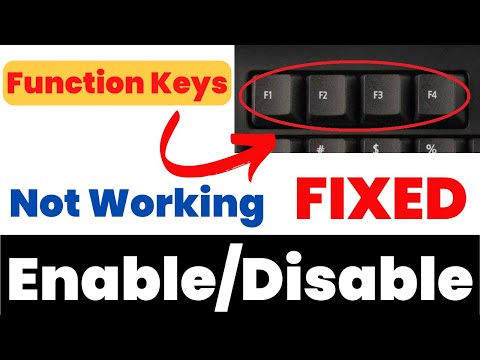
By IT GURUJI Function Keys Not Working in Windows 71011 HPDellLenovoAsusAcer Laptop Fn key disable enable by IT GURUJI
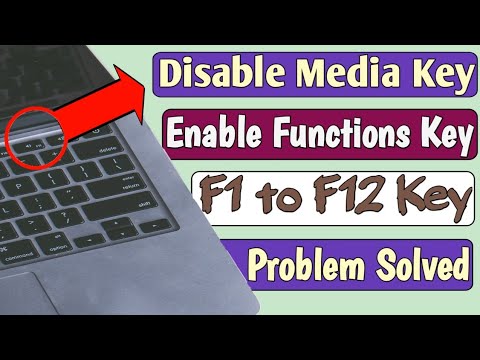
Title: How to Enable or disable Action keys on window 10 How to Enable Functions Keys
Channel: Humsafar Tech
How to Enable or disable Action keys on window 10 How to Enable Functions Keys by Humsafar Tech
Laptop Wifi Hotspot
Dell Laptop F Keys DEAD? This FIX Works!
Have you ever found yourself staring at a Dell laptop, desperately trying to adjust the volume, brightness, or access a crucial function only to be met with utter silence? The F keys, those small, often-overlooked keys residing at the top of your keyboard, can be lifesavers. They are the command center for performing a variety of essential tasks. When they fail, it is more than a mere inconvenience – it’s a disruption. Rest assured; you are not alone. We have all been there. Fortunately, in most cases, the solution is not as complicated as it might seem.
Understanding the F Key's Role on Your Dell Laptop
Before delving into solutions, it's crucial to understand the purpose of the F keys on your Dell laptop. They are typically designed to provide quick access to frequently used functions. From controlling multimedia (volume up/down, play/pause) and adjusting display settings (brightness control) to accessing system tools and enabling or disabling specific hardware features, these keys significantly streamline your user experience. If your F keys are unresponsive, certain tasks become incredibly laborious. Imagine manually adjusting your screen brightness through the operating system's control panel every time you need to work in a different environment. This is a classic display of how inconvenient this can be.
Identifying the Root Cause: Pinpointing the Problem
The first step toward resurrecting your unresponsive F keys is to diligently diagnose the problem. Multiple factors can contribute to this issue, ranging from simple software glitches to more complex hardware conflicts.
The "Fn" Key Lock: A Common Culprit
Many Dell laptops have a dedicated "Fn" (Function) key, which, when pressed in conjunction with an F key, activates its secondary function. You might accidentally enable or disable the "Fn" key lock, which can cause the primary functions of the F keys to become inactive. This is often the first thing to check.
Driver-Related Troubles: The Software Side of the Equation
Outdated or corrupted drivers, specifically the drivers for your keyboard or the software that supports the "Fn" key, can lead to functionality problems. These drivers serve as the bridge between the hardware and the operating system, ensuring their seamless communication. When drivers are improperly installed or become corrupted over time, the result can be a failure of your F keys, rendering them inactive.
Hardware Malfunctions: Examining the Physical Components
While less common, hardware problems can also be the source of the issue. Sometimes, a physical problem with the keyboard itself—loose keys, damaged internal circuitry, or water damage—prevents the F keys from functioning. This is an area which is more complicated to fix and may require, in some cases, professional repair or replacement.
Software Conflicts: Applications Interrupting Functionality
Certain applications, especially those that interact directly with the keyboard or system settings, can interfere with the proper functioning of the F keys. These conflicts can arise when two or more software programs attempt to control the same hardware resources simultaneously, leading to instability.
Troubleshooting: Step-by-Step Solutions
Now that the potential causes have been outlined, it's time to work through the solutions.
Solution 1: The "Fn" Key Toggle and Function Lock
The most straightforward solution is to ensure that your "Fn" key is not locked. Dell laptops often offer a function lock feature, which may be enabled or disabled by pressing a specific key combination, typically Fn + Esc. Experiment with this combination. If the F keys start working, you've identified and resolved the issue. Some Dell laptops may have a Function Lock key dedicated to this process. Refer to your laptop's manual for specifics.
Solution 2: Driver Updates: Keeping Software Current
Outdated drivers are a frequent cause of F key malfunctions. The process for updating is usually quite straightforward.
- Using Device Manager in Windows: Press the Windows key + R, type
devmgmt.mscin the Run dialog box, and hit Enter. In Device Manager, expand the "Keyboards" section. Right-click on your keyboard device and select "Update driver." Choose "Search automatically for drivers." Windows will then search for and install the latest drivers. If the driver is already up to date, try uninstalling the current keyboard driver and restarting the computer. Windows will automatically attempt to reinstall a default keyboard driver. - Dell SupportAssist: Dell provides SupportAssist, a utility that automatically checks for and installs driver updates. Download and install SupportAssist from the Dell website. You can then follow the tool's instructions to scan for and install any recommended updates.
Solution 3: Restart or Power Cycle Your Laptop
A simple system restart can often resolve temporary software glitches. A power cycle, which means shutting down, then unplugging the power adapter, and then re-plugging the power adapter and starting again, can clear out residual power and reset hardware components, thus resolving persistent issues.
Solution 4: BIOS Updates: The Firmware Connection
BIOS (Basic Input/Output System) is the fundamental software that controls your computer's hardware during startup. Updates to the BIOS can sometimes fix functionality issues and resolve compatibility problems. If driver updates do not work, this is the next step.
- Accessing the BIOS: Restart your Dell laptop. While it's booting up, quickly and repeatedly press the key to enter your BIOS setup. The key is usually one of the following: F2, F12, Del, or Esc. The key will be displayed on the screen during startup.
- BIOS Update Process: Once in the BIOS settings, look for a section labeled "BIOS Update" or "Firmware Update". Follow the on-screen prompts to initiate the update.
Solution 5: Investigate Conflicts From Third-Party Applications
As mentioned earlier, some software can conflict with keyboard functionality.
- Identifying Problematic Programs: A clean boot can help pinpoint the interfering program. To perform a clean boot, press the Windows key + R, type
msconfig, and press Enter. Navigate to the "Services" tab, check "Hide all Microsoft services," and then click "Disable all." Then, go to the "Startup" tab and click "Open Task Manager." In Task Manager, disable all startup items. Restart your computer. If the F keys work after the clean boot, you can re-enable services and startup items one by one, restarting the computer after each change, to identify the conflicting application. - Uninstall or Reconfigure: Once you've identified the culprit, uninstall the program or adjust its settings to avoid conflicts.
Solution 6: Check Keyboard Hardware
If you suspect hardware problems, inspect your keyboard.
- Examine the Keys: Visually inspect the F keys for physical damage or debris that might obstruct their function. Try gently pressing and releasing each key individually and ensure that they are not sticking or feeling unresponsive.
- External Keyboard Test: Connect an external USB keyboard to your Dell laptop. If the F keys on the external keyboard work, the issue is likely with your laptop's built-in keyboard or its connections.
Solution 7: Reinstalling the Keyboard Driver
Sometimes, merely updating the keyboard driver isn't enough. A complete reinstallation may be required to resolve stubborn issues.
- Uninstall the Keyboard Driver: Follow the instructions for using Device Manager (as described in Solution 2) to access your keyboard driver. Right-click on the driver entry and select "Uninstall device."
- Restart Your Laptop: After uninstalling the driver, restart your Dell laptop. Windows will automatically attempt to reinstall a generic keyboard driver. Test the F keys after the restart.
Advanced Troubleshooting: Exploring Less Common Solutions
If the standard solutions don't work, you may need to delve into more advanced troubleshooting.
Factory Reset: A Last Resort
If all other methods fail, a factory reset could potentially resolve the problem. This resets your laptop to its original settings, which may eliminate any software issues that are causing the F keys to fail. However, a factory reset erases all personal data, so be sure to back up your important files before proceeding.
When to Seek Professional Help
If you've exhausted the troubleshooting steps, and nothing seems to work, it's time to seek professional help. Hardware failures, especially, may require the specialized equipment and expertise of a qualified technician. Contact Dell support or an authorized Dell repair center for assistance.
Conclusion: Regaining Control of Your Dell Laptop's F Keys
A non-functional set of F keys can be a major impediment to productivity. By understanding the potential causes and applying the troubleshooting steps outlined, you significantly increase your chances of restoring full functionality. Remember to proceed systematically, document each step, and be patient throughout the process. With the right approach, you can often resolve this frustrating issue, empowering you to regain complete control over your Dell laptop and its invaluable F key functionality.
