keypad mouse not working laptop hp

Title: Fix HP Laptop Mouse TOUCHPAD Not Working Pavilion Envy Spectre EliteBook ProBook X360 Stop Trackpad
Channel: Helping Hermit
Fix HP Laptop Mouse TOUCHPAD Not Working Pavilion Envy Spectre EliteBook ProBook X360 Stop Trackpad by Helping Hermit
keyboard mouse not working hp laptop, mouse touchpad not working hp laptop, touchpad not working laptop hp, keyboard and touchpad not working hp laptop, hp laptop mouse keypad not working, laptop keypad mouse not working, hp laptop cursor not working, hp keyboard mouse not working, why is my mouse on the laptop not working
HP Laptop Keypad Mouse: DEAD? Fix It NOW!
HP Laptop Keypad Mouse: SOS! Reviving Your Digital Sidekick
Ever found yourself wrestling with a seemingly lifeless touchpad on your trusty HP laptop? You’re not alone. It's a common tech woe. Frustration mounts when your cursor disappears. But, fear not, fellow digital traveler! There's often a straightforward solution. Before you panic, let's embark on a troubleshooting journey.
The Unexpected Shutdown: Pinpointing the Culprit
First, take a deep breath. This malfunction is usually fixable. Think of your touchpad as a complex system. Many factors could disable it. Maybe it's a simple software hiccup. Or, potentially, it’s a hardware issue. Either way, we'll explore several avenues.
The Obvious, Yet Often Overlooked: Basic Checks
Sometimes, the simplest things trip us up. Believe it or not, the most common cause is often the easiest fix. Let's start with the obvious. Is your touchpad enabled? Most HP laptops have a dedicated button or key combination for turning the touchpad on and off. Look for a little touchpad icon. It often resides on the function keys (F1-F12). Try pressing Fn along with this key. That might be it.
The Silent Assassin: Driver Dilemmas
If the basic check doesn’t work, we have more complicated methods. Drivers control every device. Your touchpad relies heavily on them. They facilitate communication between your laptop and the touchpad. Outdated or corrupted drivers can definitely cause problems.
Let’s refresh them. Head over to the Device Manager. You can find it via the search bar. Locate your touchpad. It might be listed under "Mice and other pointing devices." Right-click on it. Select “Update driver.” Choose “Search automatically for drivers.” Windows will search for any updates. If updates are found, install them. Restart your laptop. See if the cursor now cooperates. Because, sometimes, this is the only method needed.
The Hidden Hand: BIOS Settings
Let’s dig a little deeper. Your BIOS, or Basic Input/Output System, controls your hardware. We can check touchpad settings here. Access your BIOS settings. The specific key varies by HP model. Often, it involves repeatedly pressing Esc, F2, F10, or Del during startup.
Navigate the BIOS. Look for settings related to the touchpad. You might see options to enable or disable it. Review those. Make sure it's correctly enabled. Save the changes. Then, restart your laptop. See if that helps.
The Software Saboteur: Conflict Resolution
Software conflicts can be sneaky. They may be interfering with your touchpad. Let’s check it. Run a system scan to detect potential malware. Malware can interfere with touchpad functions. Next, consider recently installed software. Did the problem start after installing a new application? Try uninstalling this software. See if that resolves the issue. Check programs running in the background. Some apps might hog resources. This leads to performance issues. Close unnecessary background processes to free up system resources. Moreover, these steps are key. The process helps optimize performance.
The Mechanical Mayhem: Hardware Assessment
Sometimes, the issue lies with the hardware. It might be the touchpad itself. Or, possibly, a related component. Inspect the touchpad surface. Make sure it’s clean and free of debris. Debris sometimes stops the touchpad from functioning. Try gently cleaning it. See if that helps.
Check the touchpad's physical connection. For some models, the touchpad has a ribbon cable. This cable connects to the motherboard. If you're comfortable, you can open the laptop. Then, check the connection. Be extremely careful if you choose to do this. If you aren’t comfortable doing it, seeking professional help is crucial.
The Ultimate Resort: Professional Assistance
Despite your best efforts, the touchpad might still refuse to cooperate. At this point, let’s consider professional help. Take your laptop to a qualified technician. They have the tools and expertise. They can diagnose and repair more complex issues. They can also perform other tests. These tests will provide more accurate assessments. Sometimes, it is important.
The Prevention Playbook: Future-Proofing Your Touchpad
Prevention is important. It can save you future headaches. Keep your laptop’s software updated. Regularly update your drivers. Regularly run system scans for malware. Treat your laptop with care. Avoid placing heavy objects on it. Handle your laptop with care. By taking these precautions, you increase your chances of avoiding future touchpad problems. Also, preventative care is essential.
The Parting Words: Back in Action!
Dealing with a disabled touchpad can be frustrating. But, hopefully, these steps will help you get it working again. Remember to troubleshoot methodically. Test each solution. Hopefully, you can solve it yourself. With some patience and persistence, you'll have your digital sidekick back in action. If not, a professional can help.
Laptop Keyboard Dead? 😱 FIX It NOW! (Easy Steps)HP Laptop Keypad Mouse: DEAD? Fix It NOW!
Let's be honest, that sinking feeling when your HP laptop's touchpad – that little digital magic carpet ride we all depend on – suddenly gives up the ghost is the WORST. You're in the middle of something, maybe finishing that crucial presentation, or crafting the next TikTok masterpiece, and BAM, the cursor freezes. Panic sets in. But before you chuck your laptop across the room (we've all been there!), take a deep breath. We're here to dissect this digital dilemma and get you back to swiping, clicking, and scrolling in no time. Because let's face it, living without that touchpad is like trying to drive a car without a steering wheel – utterly frustrating!
The Dead Touchpad: A Modern-Day Digital Disaster
This isn't just a minor inconvenience; it's a full-blown usability nightmare! Think of all the taps, swipes, and pinches we do daily. The touchpad is our direct link to the digital world. When it fails, it’s like your personal assistant has declared a sick day. The first instinct, of course, is to jiggle the cord, but the problem is usually more nuanced. So, before you start blaming faulty hardware, let's delve into the common culprits behind the unresponsive touchpad, and, most importantly, how to get it working again.
1. Is It REALLY Dead? Checking the Obvious First
Before you start tearing your hair out, let's perform a simple triage. Sometimes, the solution is as simple as a forgotten setting.
- Check the Touchpad Button: Most HP laptops have a dedicated button or a function key combination (often Fn + a function key like F7 or F12) that can disable and enable the touchpad. It’s the digital equivalent of a light switch. Make sure it's on. It sounds silly, but it's the digital equivalent of checking if your computer is plugged in.
- External Mouse Test: Plug in a physical mouse. Does it work? If so, that narrows the issue down to the touchpad itself, confirming that it might be a software or driver conflict. If the external mouse fails too, your laptop has a bigger problem.
- Restart Your Laptop: The oldest trick in the book often works miracles. A simple restart can clear out temporary glitches and reset the system.
2. The Software Side: Drivers, Updates, and Conflicts
If the hardware seems fine, the problem almost certainly lies in the software. Think of your touchpad as a tiny, sensitive dancer, and the drivers are the choreographer, telling it how to move. When those drivers are outdated, corrupted, or conflicting, the dance falls apart.
- Driver Updates: This is your first line of defense.
- How to do it: Go to Device Manager (search for it in the Windows search bar). Expand the "Mice and other pointing devices" section, right-click on your touchpad (it might be listed as "HID-compliant mouse" or something similar), and select "Update driver." Let Windows search automatically for updates.
- Why its crucial: Driver updates often include bug fixes and performance enhancements. It’s like getting a software update, but for your fingers!
- Roll Back Driver: If you've recently updated drivers and the touchpad stopped working afterwards, you might need to roll back to a previous version. In Device Manager, right-click on your touchpad driver, select "Properties," and go to the "Driver" tab. Look for the "Roll Back Driver" button.
- Uninstall and Reinstall Drivers: Sometimes, the driver is just plain broken. Try uninstalling the touchpad driver from Device Manager (right-click, select "Uninstall device"). Then, restart your laptop – Windows should automatically reinstall a generic driver.
- Software Conflicts: Other software, like specialized mouse management programs or screen-recording apps, can sometimes interfere with the touchpad. If you've installed anything new recently, try uninstalling it temporarily to see if that resolves the issue.
3. Hardware Hurdles: The Physical Reality Check
Okay, let's face it, sometimes, the problem is hardware-related. But before you start pricing out laptop repairs, let’s exhaust every possibility.
- Dirty Touchpad: Yes, dust, crumbs, and even finger oil can interfere with the touchpad's sensitivity. Give it a good cleaning with a slightly damp, lint-free cloth. Avoid harsh chemicals. It’s just like cleaning a smartphone screen.
- Internal Connections: This one's a little trickier and involves opening up the laptop. Proceed with caution if you aren't comfortable taking apart electronics. If you are brave and technically inclined:
- Consult the User Manual: Learn exactly what model laptop you have. Your model specifics will determine how you can open this up safely to prevent breaking it.
- Disconnect the Battery: IMPORTANT!
- Research: Take some time to understand what you are doing.
- Isolate the Issue: You might want to work with an expert who is familiar with this task.
- Damage Assessment: If the touchpad is visibly cracked, or if the laptop has suffered any physical trauma (dropped, stepped on, etc.), then, unfortunately, it may require professional repair or replacement.
4. BIOS Blues and Beyond: Advanced Troubleshooting
This is a more advanced level of troubleshooting, but sometimes, the solution lies deep within the system's core settings.
- BIOS Settings: The BIOS (Basic Input/Output System) is the software that boots your computer. Sometimes, the touchpad can be disabled in the BIOS. Access the BIOS by pressing a specific key (usually Del, F2, F12, or Esc) during startup. Look through the settings for a touchpad option and ensure it’s enabled.
- Factory Reset (Last Resort): This is a drastic measure, but if all else fails, a factory reset can sometimes fix software-related issues. Be warned: This will erase all your personal files and settings, so back up everything first! You can usually perform a factory reset through Windows settings.
5. Third-Party Tools & Touchpad Troubleshooters
There are tools that may help, but use them with caution and always download from reputable sources.
- Windows Troubleshooter: If you didn't know, Windows has built-in troubleshooters designed to find common problems. Run the "Hardware and Devices" troubleshooter through the control panel. It’s like a digital detective, and that detective can sometimes solve your problems.
6. When to Call in the Cavalry (Professional Help)
Ultimately, some problems require the expertise of a professional. If you've tried all of the above, and the touchpad still refuses to cooperate, it's time.
- Warranty Check: Is your laptop still under warranty? Contact HP support – they might provide a free repair or replacement.
- Local Repair Shop: Find a reputable local computer repair shop. They can diagnose the issue and provide a fix.
7. Preventative Measures: Keeping Your Touchpad Happy
Once you get your touchpad working again, you’ll want to keep it that way. Here's how:
- Regular Cleaning: Wipe down the touchpad regularly with a soft cloth.
- Soft Surface: Don't use your laptop on a rough or uneven surface that could damage the touchpad.
- Software Updates: Keep your operating system and drivers up to date.
8. Addressing the Phantom Click Syndrome
Sometimes, the touchpad seems to click or move on its own, even without touch. This can be incredibly frustrating. Here's a quick fix:
- Check for physical obstructions: make sure there is nothing on the touchpad or keyboard that might be pressing it.
- Driver Updates: Update the touchpad drivers.
- Configuration: Some laptops allow you to adjust the touchpad's sensitivity and palm rejection settings. These settings can often be found in the "Mouse" settings or through the touchpad's configuration tool. Play around with these settings to find a configuration that works for you.
9. The Sticky Button Situation
What if the touchpad buttons, rather than the touchpad itself, are unresponsive? Here's how to deal with them:
- Cleaning: Similar to the touchpad, crumbs or dirt can get into the buttons. Use a soft cloth to clean around the buttons.
- Internal Connection: Just like above, opening it up requires some caution, but it's important to check the internal connection to the buttons.
10. Diagnosing Mysterious Jumps and Lag
If the cursor jumps erratically or lags behind your finger movements, it's likely a software or driver issue.
- Update Drivers: Start here.
- Optimize Performance Settings: In the Ease of Access settings, you can often adjust the cursor speed and acceleration settings.
- Background Processes: Close any unnecessary applications to free up system resources.
11. The "Touchpad Not Found" Error
This error is the digital equivalent of your hand not being there!
- Driver Check: Ensure the correct driver is installed.
- BIOS check: Ensure it is enabled in the BIOS, as discussed earlier.
- Hardware Check: If all else fails, it may be a hardware issue.
12. Troubleshooting Specific HP Laptop Models
Different HP laptop models have different quirks. For example:
- **HP
Fix HP Touchpad Not Working in Windows 11 10 How To Solve hp Laptop touchpad Issues

By Victor Explains Fix HP Touchpad Not Working in Windows 11 10 How To Solve hp Laptop touchpad Issues by Victor Explains
How to Fix Laptop Touchpad Problem Laptop Touchpad Not Working logic card change
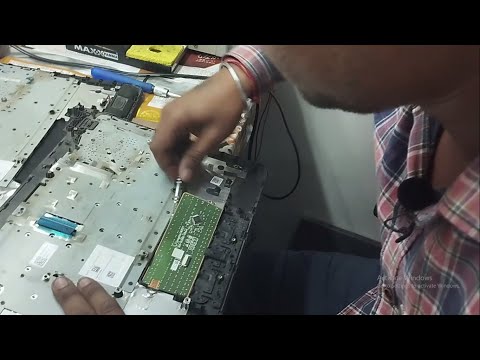
By Prashant IT solution How to Fix Laptop Touchpad Problem Laptop Touchpad Not Working logic card change by Prashant IT solution
HP laptop keyboard & touchpad are not working

By Suraj Computers HP laptop keyboard & touchpad are not working by Suraj Computers

Title: How To Fix Touchpad not working in HP Laptop - Windows 101187
Channel: How To Fix Tech
How To Fix Touchpad not working in HP Laptop - Windows 101187 by How To Fix Tech
Wifi On Laptop Phone
HP Laptop Keypad Mouse: DEAD? Fix It NOW!
The frustration of a malfunctioning touchpad on an HP laptop is a universally understood digital pain. The cursor freezes, the clicks fail, and the seamless flow of work grinds to a halt. But before you resign yourself to the cumbersome external mouse or the dreaded factory reset, breathe. We're here to navigate the digital labyrinth and resurrect your touchpad, guiding you through a battery of solutions designed to bring your HP laptop's keypad mouse back to life.
Initial Troubleshooting: A Digital Reconnaissance
Before diving into more complex remedies, let's conduct a preliminary assessment. Think of this as a digital reconnaissance mission, aimed at quickly identifying the most common culprits. These initial steps can often resolve the issue without requiring extensive troubleshooting.
The Obvious Suspect: Power Cycle. A simple restart often works wonders. Completely shut down your HP laptop. Press and hold the power button for a full minute. This ensures all residual power drains from the system, which can sometimes resolve minor software glitches interfering with touchpad functionality. Restart and check if the touchpad is working.
The Physical Checkup. Sometimes, the simplest solutions are the most effective. Examine the touchpad surface meticulously. Is there any debris, dust, or foreign objects obstructing its operation? A speck of dust can be enough. Gently clean the surface with a soft, lint-free cloth. Avoid harsh chemicals or excessive pressure.
The Function Key Tango. Many HP laptops, and indeed laptops of numerous brands, have a dedicated function key combination to enable or disable the touchpad. Locate the function (Fn) key, usually found near the Ctrl key on the lower left of the keyboard. Then, look for a touchpad symbol (often resembling a square with fingers or a mouse) on one of the function keys (F1 through F12). Press the Fn key simultaneously with the key bearing the touchpad symbol. This toggles the touchpad on or off. Accidentally disabling the touchpad is a common, easily rectified mistake.
External Mouse Interference. If you have an external mouse connected, disconnect it. Some HP laptops prioritize external mice, potentially deactivating the touchpad. Removing the external mouse can help identify if this is the source of the problem.
Driver Diagnostics and Updates: The Digital Mechanic
If the initial checks prove fruitless, the next step involves delving into the realm of device drivers. Drivers are essentially software programs that allow your operating system to communicate with the hardware components of your laptop, including the touchpad.
Accessing Device Manager. To access the Device Manager, right-click on the Start Menu (Windows icon) and select "Device Manager" from the menu. Alternatively, you can type "Device Manager" into the Windows search bar.
Locating the Touchpad in the Device Manager. Within Device Manager, look for a section typically titled "Mice and other pointing devices" or something similar. Click on the arrow to expand this section. You should see your touchpad listed; it might be identified by its manufacturer (e.g., Synaptics, Elan) or simply as a "HID-compliant mouse."
Driver Update Procedures. Right-click on the touchpad entry. From the pop-up menu, select "Update driver." You'll be presented with two options: "Search automatically for drivers" and "Browse my computer for drivers."
- Automatic Search: Choose "Search automatically for drivers." Windows will then search online for the most up-to-date driver software. Follow the on-screen instructions to install any updates.
- Manual Search (If Automatic Fails): If the automatic search fails, choose "Browse my computer for drivers." This option allows you to manually install drivers. You may need to download the latest driver from the HP support website, specific to your laptop model.
Driver Rollback: Reverting to a Previous Version. If a recent driver update coincided with the touchpad malfunction, consider rolling back to a previous driver version. In Device Manager, right-click on the touchpad entry, select "Properties," then navigate to the "Driver" tab. If the "Roll Back Driver" option is available, click it. This action reverts the driver to the previously installed version.
Uninstall and Reinstall the Driver. In Device Manager, right-click on the touchpad entry and choose "Uninstall device." Follow the prompts to uninstall the driver. Then, restart your laptop. Upon restarting, Windows should automatically attempt to reinstall the driver. If it doesn't, go back to Device Manager and select "Scan for hardware changes." This will prompt the system to detect and reinstall the touchpad driver.
BIOS Configuration: The Digital Blueprint
The BIOS (Basic Input/Output System) is the firmware that initializes your computer’s hardware during startup. Occasionally, touchpad settings within the BIOS can become corrupted or improperly configured, leading to functionality issues.
Accessing the BIOS. The method to enter the BIOS varies depending on your HP laptop model. Typically, you need to press a specific key (or key combination) immediately after powering on your laptop, but before Windows loads. Common keys include F2, F10, F12, Del, or Esc. Consult your HP laptop's manual or the HP support website for the precise key combination for your model.
Navigating the BIOS Interface. The BIOS interface is a text-based environment. Use the arrow keys and Enter key to navigate. The specific layout and options vary between models.
Locating Touchpad Settings. Within the BIOS, look for a section related to "Advanced," "Device Configuration," or a similarly descriptive name. Within this section, you should find settings related to the touchpad.
Enabling the Touchpad (If Disabled). Ensure the touchpad is enabled within the BIOS. There might be a simple "Enable/Disable" toggle.
Restoring BIOS Defaults. If you're unsure of the correct settings, or if you suspect corruption, consider restoring the BIOS to its default settings. Look for an option like "Load Setup Defaults" or "Restore Defaults."
Saving Changes and Exiting. After making changes, make sure to save them before exiting the BIOS. The exact wording will vary, but look for options like "Save and Exit" or "Save Changes and Restart."
Operating System and Software Conflicts: The Digital Interlopers
Software conflicts and operating system issues can also impair touchpad performance. These are often more challenging to diagnose, but not impossible to resolve.
Clean Boot Diagnosis. A clean boot allows you to start Windows with a minimal set of drivers and startup programs. This helps identify if third-party software is interfering with the touchpad. To perform a clean boot:
- Press the Windows key + R to open the Run dialog box.
- Type "msconfig" and press Enter to open the System Configuration window.
- On the "Services" tab, check the box "Hide all Microsoft services." Then, click "Disable all."
- On the "Startup" tab, click "Open Task Manager." Disable all startup items.
- Close Task Manager and click "OK" in the System Configuration window.
- Restart your laptop.
- If the touchpad works in a clean boot, one of the disabled programs is the culprit. Re-enable the programs one by one and restart to pinpoint the conflict.
Anti-Virus Software Interference. Some antivirus programs can, in rare cases, interfere with touchpad functionality. Temporarily disable your antivirus software (make sure you have internet access to avoid potentially dangerous issues) and test the touchpad. If it works, you may need to adjust the antivirus settings or consider a different antivirus solution.
Windows Updates and Rollbacks. Ensure your Windows operating system is up to date. Go to Settings > Update & Security > Windows Update, and check for updates. In some cases, a recent Windows update may have caused the issue. Consider rolling back to a previous version of Windows. You can do this by going to Settings > Update & Security > Recovery. There should be an option to "Go back to the previous version of Windows 10."
System File Checker (SFC) and DISM (Deployment Image Servicing and Management) Scans. Corrupted system files can sometimes cause touchpad issues. The System File Checker (SFC) and DISM tools can repair these files.
SFC Scan: Open Command Prompt as an administrator. Type "sfc /scannow" and press Enter. This scan checks and repairs system files in Windows.
DISM Scan: If the SFC scan doesn't fix the problem, try the DISM scan. Open Command Prompt as an administrator. Type the following commands, pressing Enter after each:
- "DISM /Online /Cleanup-Image /CheckHealth"
- "DISM /Online /Cleanup-Image /ScanHealth"
- "DISM /Online /Cleanup-Image /RestoreHealth"
Create a New User Profile. It is possible that your current Windows user profile is corrupted. Create a new local user account on your computer and check if the touchpad works in the new user profile. This test can help you know whether your profile is the cause of the issue.
Hardware Considerations: The Physical Examination
Finally, though less common, hardware failures can be the root cause of a disabled or malfunctioning touchpad. While often not feasible to fix yourself, understanding the possibilities allows for informed decisions.
- Internal Cable Connections. The touchpad connects to the motherboard via a ribbon cable. This cable can become loose or damaged. Opening your laptop
