can a hard drive work on the same brand laptop

Title: Can you just SWAP a hard drive into a different computer
Channel: Ask Your Computer Guy
Can you just SWAP a hard drive into a different computer by Ask Your Computer Guy
Will YOUR Hard Drive Work in THAT Laptop? (Same Brand SHOCKER!)
Can Your Old Hard Drive Resurrect That Dead Laptop? A Brand-by-Brand Breakdown!
Ever stared at a lifeless laptop, a gaping maw where your digital life once thrived? You probably mourned its demise. However, before you consign it to the tech graveyard, a crucial question arises: can you salvage its data? That's where your old hard drive comes in. But will it actually work in your new(er) machine? This is what we’re tackling today. Let’s delve deep.
The Great Data Migration Dilemma: Is It Plug-and-Play Paradise?
The dream scenario: a seamless swap. You extract your old hard drive and simply pop it into your shiny new laptop. Voila! All your files, pictures, and programs magically reappear. In reality, it’s not always that simple. The reality of the situation is complex. Therefore, before you get your hopes up, consider a few crucial factors. These factors are significant.
Understanding the Tech Tango: SATA vs. NVMe and Beyond
The first hurdle? Compatibility. Hard drives, although seeming simple, are built to function properly. Consider the connection type. Is it SATA or NVMe? SATA (Serial ATA) is the older, tried-and-true standard. It's like the reliable old car. NVMe (Non-Volatile Memory Express) is the current powerhouse. NVMe is a game-changer. These drives connect directly to your motherboard via a PCIe slot. Think of it as the Formula 1 racer. Consequently, if your new laptop exclusively supports NVMe, your SATA drive is essentially stranded. Therefore, consider checking the specs of both your old drive and your new laptop. This is the first crucial step.
Brand Loyalty Bites Back? When Even Same-Brand Doesn't Guarantee Success
Here’s where things can get tricky. You might assume that a new laptop from the same brand as your old one guarantees compatibility. Sadly, that is not always the case. While brand familiarity can improve your odds, it’s no guarantee. Even within a single brand's product lines, interfaces can vary dramatically. Furthermore, manufacturing standards are constantly evolving. Therefore, the older hard drive might simply not physically fit. On the other hand, it might not be recognized by your new laptop's BIOS. The truth is, you need to do your homework.
Adapters and External Enclosures: Data Recovery Lifesavers?
Don’t despair! All hope is not lost if direct swapping isn’t possible. There are solutions. External hard drive enclosures are a fantastic option. These enclosures essentially turn your internal hard drive into a portable external drive. They give your old drive a second life. These are available for both SATA and NVMe drives. Simply slide your drive into the enclosure. Connect it via USB. Suddenly, you have access to your data. Adapters are also available. These will let you connect a SATA drive to a USB port. Therefore, these provide another avenue for data recovery.
Troubleshooting Time: When Things Go Wrong (And How to Fix Them)
Encountering issues? Absolutely, it is possible. Here are several troubleshooting tips. First, ensure the drive is properly connected. Secondly, check your new laptop's BIOS settings. The BIOS (Basic Input/Output System) should recognize the drive. If the drive doesn’t show up, try updating your BIOS. Moreover, consider checking your disk management utility within your operating system. Sometimes, the drive simply needs to be formatted and assigned a drive letter. Finally, if the hard drive seems physically damaged, consider professional data recovery services. These are specialists who can recover data.
Beyond the Hardware: Software Considerations
Hardware compatibility is only half the battle. After all, software plays a critical role. Your old hard drive might also contain an older operating system. Consequently, this OS might not be compatible with your new laptop. In this case, you may need to reinstall your operating system on the new machine. Therefore, before attempting a swap, back up any important software licenses. This step will minimize potential headaches.
The Verdict: A Little Research Goes a Long Way
So, will your old hard drive work in your new laptop? The answer, like many things in tech, is: it depends. However, with careful research, you can dramatically increase your chances of data recovery. Prioritize checking for compatibility. Assess your connection types. Evaluate any potential brand-specific nuances. By taking these steps, you'll be well-equipped to navigate the tech landscape. You are now prepared to retrieve those precious files. You should now be able to do it successfully!
Laptop Lost? Does Your Does.work Insurance Cover It?!Will YOUR Hard Drive Work in THAT Laptop? (Same Brand SHOCKER!)
Alright folks, let's dive into a tech head-scratcher that has probably plagued all of us at one point or another: can you just pop your hard drive from one laptop into another and expect it to work? The answer, my friends, is a bit… nuanced. This isn't always as straightforward as swapping batteries in a flashlight. We are going to unravel this tech mystery together, particularly when dealing with the same brand of laptop, which, as you might expect, throws in a few extra curveballs. Prepare for some surprises!
1. The Great Laptop Hard Drive Swap: A Beginner’s Guide
So, you've got a laptop graveyard, or maybe just a single sick machine, and an operational one. The temptation to Frankenstein the working hard drive into the new, or at least newer, laptop is strong. Think about it: you want your files, your precious photos, your carefully curated music library, all seemingly within arm's reach. But hold your horses! Before you start unscrewing things, let's lay down some ground rules. This isn't just about plugging and playing; there are critical components to consider.
2. Decoding the Hard Drive: SATA, SSD, and the Alphabet Soup
First things first: let's decode the language of hard drives. You'll encounter terms like SATA (Serial ATA), SSD (Solid State Drive), and maybe even the older IDE. SATA is the most common connection type for traditional spinning hard drives. Now, SSDs are the newer kids on the block, offering speed and resilience. Knowing the connection type of your hard drive and the laptop you're trying to place it in is absolutely paramount. Imagine trying to fit a square peg in a round hole; the connections have got to align.
3. Understanding the Laptop's Interface: The Physical Connection Point
This is where things get interesting. Your laptop's interface is the physical connection point where the hard drive plugs in. Modern laptops usually use SATA, but variations can exist. Also, consider the physical "form factor." Is your hard drive a standard 2.5-inch size, or is it a smaller, more compact drive? Matching this is vital. Think of it like trying to fit a size 10 shoe on a size 7 foot – it just isn't going to work.
4. Same Brand, Different Models: The Compatibility Conundrum
Now, this is where the "same brand" aspect gets tricky. You might think, "Hey, it's a Dell, and my other laptop is also a Dell; surely, the hard drive will go in!" Unfortunately, the reality can be far more complicated. Laptop manufacturers often use proprietary systems and connections, even within the same brand. This means that a hard drive that works perfectly fine in an older model might not be compatible with a newer one, even if it's of the same brand.
5. Software Shenanigans: Operating System and Driver Drama
Let's say you’ve successfully connected your hard drive. Great! But the drama doesn't end there. The operating system (OS) on the new laptop might not recognize the old hard drive, or the drivers might be incompatible. Imagine the OS as the conductor of an orchestra, and the hard drive as a specific instrument. If the conductor doesn't understand how to read that instrument's sheet music (drivers), the instrument won't play (hard drive won't work). This can lead to blue screens of death, boot errors, and a whole host of other nightmares.
6. The BIOS Factor: A Key Player in the Game
The BIOS (Basic Input/Output System) is the software that starts your computer when you turn it on. It's responsible for recognizing all the hardware, including your hard drive. If the BIOS doesn't recognize the hard drive, you're stuck. The BIOS setting on the new laptop must be set to boot from external media, where is your external drive is where the old drive is housed.
7. Data Migration vs. Drive Replacement: Two Different Beasts
We need to distinguish between data migration and replacing a hard drive. Data migration is about transferring your data (files, photos, documents) from one hard drive to another. Replacing a hard drive means physically swapping out the old drive for a new one (maybe one that's faster or has more storage space) which may or may not entail retaining the operating system.
8. Cloning Your Old Hard Drive: A Smart Strategy
If you're changing from your old drive to a new one and want to maintain the exact data, apps, and operating system, cloning is an excellent option. Cloning creates an exact copy of your old hard drive, including the OS. You can then install that clone in the new laptop if the hardware and compatibility work well together. This is like creating an identical twin for your hard drive.
9. The Importance of Backup: Your Digital Safety Net
Before you even think about swapping hard drives, back up your data! This is non-negotiable. Think of it as wearing a seatbelt before driving. Backups protect you from the inevitable tech gremlins that can strike.
10. Online Resources: Your Tech Companion
There’s a wealth of information available online. Manufacturer’s manuals, online forums, and YouTube tutorials can provide a treasure trove of information specific to your laptop models. Search for model numbers, connection types, and compatibility issues. It's like having a tech detective at your fingertips.
11. The Verdict: Will YOUR Hard Drive Work?
We hate to be the bearers of potentially disappointing news, but there's no simple "yes" or "no" answer. The success of swapping a hard drive depends on several factors, including:
- Hard Drive Connection Type: SATA, SSD, etc.
- Laptop's Interface: Does it match?
- Model Compatibility: Even within the same brand, compatibility can be an issue,
- Operating System Compatibility: Does the new laptop's OS recognize the old hard drive?
- Driver Availability: Are there compatible drivers?
- BIOS configuration.
12. Troubleshooting Tips: When Things Go Wrong
If you encounter problems, try these troubleshooting steps:
- Check the Connections: Make sure everything is securely plugged in.
- Check the BIOS: Ensure the BIOS recognizes the hard drive.
- Update Drivers: Download and install the latest drivers for your hard drive.
- Consult Online Forums: Search for solutions specific to your laptop models.
- Seek Professional Help: If all else fails, consult a tech expert.
13. Avoiding the Pitfalls: A Checklist for Success
Before you start, use this handy checklist:
- Identify the hard drive connection type and interface.
- Research compatibility between your old and new laptops.
- Back up your data.
- Prepare your system for data recovery.
- Have a data transfer tool on hand.
- Consult Online Reviews.
14. SSDs vs. HDDs: Which is Better for Swapping?
Today, SSDs are the superior option, in every scenario, when compared to spinning hard drives. They're faster, more durable, and less likely to be easily damaged when being handled. However, their cost is higher.
15. The Final Word: Proceed with Caution
Swapping hard drives can be rewarding, but it requires careful planning and execution. Always back up your data, and be prepared for potential compatibility issues, especially when dealing with different laptop models, even from the same brand. Don't be discouraged, if you have the technical know-how, this is an excellent chance to learn about the inner workings of your laptop. Remember, you need your old laptop to be able to extract information, if not then using the hard drive would prove impossible.
In Conclusion:
So, there you have it, folks! The hard drive swap is a thrilling endeavor, full of possibilities and potential pitfalls. Approach it with caution, research thoroughly, and remember to back up your precious data. If you're feeling adventurous, go for it! But don't be afraid to seek help from online resources or a tech-savvy friend. Now go forth and conquer your tech challenges with the wisdom you've gained. Happy swapping!
Frequently Asked Questions (FAQs)
1. What if my new laptop has an SSD, and my old hard drive is a traditional HDD?
- This is generally possible, but you'll need to ensure the physical connections match (usually SATA). However, it's best to use the new laptop's preferred storage. Be prepared to clone your old hard drive.
2. Will the operating system on my old hard drive work on the new laptop?
- Possibly, but likely not without some tweaking. The operating system might not have the correct drivers for the new laptop's hardware. A clean install of the operating system is often recommended.
3. Can I transfer my Windows license to the new drive?
- This depends on your license type. Retail licenses can often be transferred, while OEM licenses (often pre-installed by the manufacturer) are usually tied to the original machine.
4. What happens if I plug in the wrong hard drive?
- The worst-case scenario is that the laptop might not boot, or you'll encounter error messages. Always ensure the hard drive is compatible. If you are wrong
Can I Move My Hard Drive to a New Computer and Have Windows Work

By Ask Leo Can I Move My Hard Drive to a New Computer and Have Windows Work by Ask Leo
Hard Drive VS. SSD - What's better

By TMS Productions Hard Drive VS. SSD - What's better by TMS Productions
Cloning drive from desktop to laptop different brandspecification PCs will it work
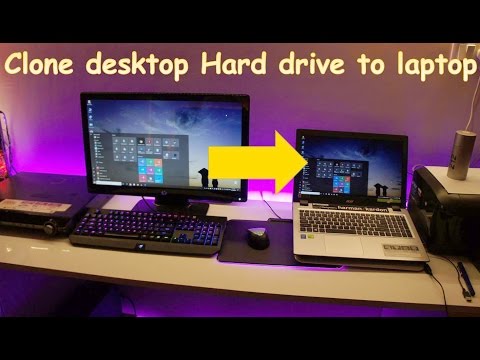
By Tech Guy Charlie Cloning drive from desktop to laptop different brandspecification PCs will it work by Tech Guy Charlie

Title: Acasis 2 Bay 2.53.5 Inch USB to SATA HDD RAID Casecontentcreator pc tech computer harddrive
Channel: Acasis Official
Acasis 2 Bay 2.53.5 Inch USB to SATA HDD RAID Casecontentcreator pc tech computer harddrive by Acasis Official
Wifi On Laptop
Will YOUR Hard Drive Work in THAT Laptop? (Same Brand SHOCKER!)
We've all been there: the dread of system failure, the creeping fear of data loss, and the frantic search for a solution. Perhaps your laptop's hard drive has sputtered its last, or maybe you're looking to upgrade for more storage or speed. The question inevitably surfaces: can I simply swap out the old drive for a new one? And the answer, surprisingly, isn't always a simple yes. Today, we’re diving deep into a common, yet often misunderstood, aspect of laptop ownership: hard drive compatibility, specifically within the confines of the same brand. Prepare for the unexpected, because even within the familiar territory of a single manufacturer, surprises abound.
The Illusion of Simplicity: Why "Same Brand" Doesn't Guarantee Compatibility
You might reasonably assume that if a hard drive originates from the same brand as your laptop, the swap should be seamless. After all, logic dictates that a company designs its products to play nicely with each other, right? Sadly, the reality is often far more complex. Several factors conspire to shatter this illusion, making the seemingly straightforward task of a hard drive upgrade a potential minefield.
One of the most significant culprits is the constant evolution of technology. Laptop manufacturers, like all tech companies, are locked in a perpetual race to innovate. Every year, new standards emerge, and older ones become obsolete. This rapid advancement means that a hard drive designed for a laptop model from, say, three years ago might be incompatible with a newer model, even if both bear the same brand name. Consider the transition from SATA to NVMe SSDs: a drive designed for the former will simply not function in a system optimized for the latter. The physical interface, the data transfer protocols, and the power requirements are all different, rendering them mutually exclusive.
Furthermore, within a single brand, there can be significant variations in the physical design and connectors used in their laptops. Different product lines, focusing on various markets and price points, are often built with completely different internal architectures. A drive that fits perfectly in a premium, high-performance laptop from the brand could be physically incompatible with an entry-level model, even if both share the same brand logo. This is due to differences in the physical bay size, the mounting mechanism, and the location of the connectors within the laptop's chassis.
Unveiling the Crucial Specifications: SATA, NVMe, and Beyond
To navigate this complexity, you'll need a basic understanding of hard drive specifications. These seemingly dry details hold the key to unlocking compatibility. The most critical specifications to consider are:
Interface Type: This is the fundamental connection between the hard drive and the laptop's motherboard. The most common interfaces are SATA (Serial ATA) and NVMe (Non-Volatile Memory Express). SATA is an older standard, typically found in traditional hard drives and some older SSDs. NVMe, on the other hand, is a newer, significantly faster interface, utilizing the PCIe bus. Compatibility here is absolute: a SATA drive will not work in an NVMe slot and vice versa. Even if the physical connection appears to fit, the system will not recognize the drive.
Form Factor: This refers to the physical dimensions of the hard drive. The two primary form factors are 2.5-inch and M.2. 2.5-inch drives, typically found in older laptops, are the standard size for traditional hard drives and some SSDs. M.2 drives, often used in newer laptops, are smaller and more compact, resembling a stick of chewing gum. Again, the form factor determines the physical fit. A 2.5-inch drive will not physically fit in an M.2 slot, and vice versa.
Capacity and Speed: While not directly related to compatibility, the capacity and speed of a hard drive are extremely important considerations. Ensure that the new drive meets your storage needs and desired performance levels.
Power Requirements: While usually standardized, it is prudent to check the power requirements of any prospective hard drive, particularly if the laptop is older.
Decoding the Laptop's Secrets: Identifying Compatible Hard Drives
Armed with knowledge of these specifications, the next step is to determine the requirements of your laptop. This process requires a combination of research and physical examination.
Consult the Manual: The laptop's user manual is your first and most reliable source of information. It should specify the type of hard drives supported by the laptop. Look for details on the interface (SATA or NVMe), the form factor (2.5-inch or M.2), and the supported capacity.
Check the Specifications Online: Visit the manufacturer's website and search for your laptop model. The specifications section usually includes details about the hard drive.
Open It Up (Carefully): If you're comfortable with it, you can physically inspect your laptop. Carefully open the access panel to the hard drive bay. Examine the existing drive to identify its interface (SATA or NVMe) and form factor (2.5-inch or M.2). This will tell you the type of drive the laptop can accommodate. Take pictures before removing the drive.
Use System Information Tools: Operating systems like Windows and macOS offer built-in system information tools that can provide details about your existing hard drive and the available interfaces.
The Same Brand Scenario: Case Studies and Surprising Realities
Let's explore some real-world examples to highlight the potential complexities, even within the same brand.
Scenario 1: The SATA to NVMe Upgrade (or Lack Thereof) Imagine you own a laptop from a well-known brand that’s a couple of years old. You want to upgrade from a slow SATA hard drive to a lightning-fast NVMe SSD drive. However, you discover, after opening up the laptop (or reading the manual), that the laptop only has space for a 2.5-inch SATA hard drive, which makes an NVMe upgrade impossible. This isn't an uncommon situation. This illustrates how, even within the same brand, models are designed and built with different design considerations.
Scenario 2: Different Product Lines, Different Drives Consider two laptops from the same brand. One is a high-end model with a premium build quality and NVMe SSD slot. The other is a budget-friendly model designed for basic tasks. While both laptops are from the same brand, they likely have completely different internal architectures. The high-end laptop can readily accommodate an NVMe drive, while the budget model may only support a 2.5-inch SATA drive. In this scenario, the brand is the common denominator, while the engineering is vastly different.
Scenario 3: The "Almost" Compatible Drive Let's say you successfully install a hard drive from the same brand, only to find out that the system won’t recognize the new drive. This could be due to incompatible firmware or a subtle difference in the physical connection that you may not have noticed. While this isn't as common as other compatibility issues, it underscores the importance of thorough testing and verifying all the specifics, even if the drives appear nearly identical.
Troubleshooting: When Things Go Wrong
Even after careful planning, you might encounter problems. Here's a troubleshooting checklist:
Check the Connections: Ensure that the hard drive is properly seated in its bay and that all cables are securely connected.
BIOS/UEFI Settings: Access your laptop’s BIOS or UEFI settings. Make sure the hard drive is recognized in the boot order.
Format the Drive: If the hard drive is new, you may need to format it before the operating system will recognize it.
Update Drivers: Ensure that your laptop's drivers are up to date.
Seek Professional Help: If you’ve exhausted all options, it's best to consult a computer repair professional.
The Final Verdict: Navigating the Hard Drive Maze
The takeaway message is clear: don't assume that a hard drive from the same brand will automatically work in your laptop. Thorough research, meticulous attention to detail and a healthy dose of skepticism are your best allies. By understanding the specifications of your laptop and the hard drive, you can increase your chances of a successful upgrade. Armed with this knowledge, you can confidently navigate the complexities of hard drive compatibility and ensure your data stays safe and accessible. The world of internal components can seem complicated, but with caution, planning, and preparation, it is possible to achieve your goals.
