how to know laptop fan is working or not

Title: How to Check if Laptop Fan is Working Properly in Windows WAK
Channel: InnoRative
How to Check if Laptop Fan is Working Properly in Windows WAK by InnoRative
how to know laptop fan is working or not, how to check laptop fan is working or not windows 11, how to check laptop fan is working or not windows 10, how to check laptop fan is working or not dell, how to check laptop fan is working or not hp, how to check laptop fan is running or not, how to check lenovo laptop fan is working or not, how to check laptop cooling fan is working or not, how to know if laptop fan is working, how do i know if the fan is working on my laptop
Is Your Laptop's Secret Fan Failing? (Find Out NOW!)
Is Your Laptop Whispering Secrets? Decoding Fan Failure and Preventing Disaster!
The hum. That familiar, comforting sound of your laptop working. It’s the digital heartbeat, right? But what happens when that reassuring rhythm starts to… stutter? Or worse, disappears altogether? Have you ever wondered, “Is my laptop’s secret fan failing?” Well, you’re in the right place. We are going to explore the delicate world within your laptop. Let's discover the hidden signs. We’ll unveil the potential consequences. And, most importantly, you'll learn what to do about it.
The Silent Killer: Why Your Laptop's Fan Matters More Than You Think
Firstly, let's be clear: your laptop's fan is not just a noisy nuisance. Far from it! It's a crucial component, a tiny guardian angel tirelessly working to protect your precious device. Its primary task is to dissipate heat. As the CPU (the brains of your laptop) works, it generates heat. This heat can swiftly rise to dangerous levels. Without proper cooling, your laptop will start to malfunction. The consequences? Slow performance. Crashes. And, ultimately, a shortened lifespan. Therefore, keeping your fan running is paramount.
Spotting the Warning Signs: Is Your Fan Sending Distress Signals?
Now, how do you know if something is amiss? Your laptop can't exactly send an email. Instead, it communicates in subtle ways. So, pay close attention. Consider these red flags:
- Unusual Noises: That once-familiar hum is now a grinding, clicking, or rattling sound. This often indicates debris has entered the fan. Or, it could signal the bearing is failing.
- Overheating: Place your hand near the vents. If your laptop feels noticeably hot — even when doing simple tasks — it's a problem. That means the fan isn’t doing its job.
- Sudden Shutdowns: Your laptop might abruptly power off. This is a common symptom. It's a protective measure to prevent permanent damage.
- Slow Performance: Are things taking longer to load? Does your cursor seem sluggish? A failing fan leads to CPU throttling. Therefore, performance takes a hit.
- Error Messages: Some systems will provide clear warnings. They might say something like, "CPU Fan Error." Take these messages seriously.
Troubleshooting 101: Simple Steps Before Calling in the Experts
Before you panic, there are a few simple troubleshooting steps. They could potentially resolve the issue. In this regard, you should begin with these solutions:
- Check the Vents: Dust is the enemy. Use compressed air to clean the vents. Also, make sure there is better airflow. Start here.
- Software Conflicts: Resource-intensive applications can stress your system. Close unnecessary programs. See if performance improves.
- Update Drivers: Outdated drivers can cause problems. Make sure your graphic card drivers are up-to-date. Do this as a general maintenance practice.
- External Cooling: Consider a cooling pad. These can provide extra airflow. This is especially useful for gaming or heavy tasks.
Beyond the DIY: When to Seek Professional Help
Sometimes, the problem is bigger than a simple fix. If the above steps don't work, it's time to call in reinforcements. You might need professional assistance when:
- The Fan is Completely Silent: This suggests a complete failure. You may need a replacement.
- The Laptop Shuts Down Repeatedly: This is likely a thermal problem. The CPU is overheating.
- You’re Unsure: Don't risk causing more damage. If you're not comfortable opening your laptop, don't. Get help.
- The Problem Persists: If the issue continues after trying basic fixes, it is a sign of a larger problem. Seek assistance as soon as you can.
Preventative Measures: Keeping Your Fan Happy and Healthy
Prevention is always better than cure. Taking steps to keep your system happy can help prolong its life. Furthermore, you can prevent fan failure. Here's what you should do:
- Regular Cleaning: As mentioned, dust is the enemy. Clean the vents every few months. It is essential.
- Proper Placement: Avoid using your laptop on soft surfaces. Specifically, it's a bad idea to put it on your bed or a rug. This can block airflow.
- Monitor Temperatures: Use software to keep an eye on your CPU temperature. Many free tools are available.
- Gentle Usage: Avoid overworking your laptop. Take breaks. This will help reduce strain on the fan.
- Consider Upgrades: If you frequently perform heavy tasks, consider upgrading your cooling system. This could involve a better cooler.
The Bottom Line: Protecting Your Digital Companion
Your laptop is a vital tool. You probably use it every day. Therefore, it's crucial to understand its inner workings. Likewise, knowing how to spot potential problems is essential. Take care of your laptop. Listen to the sounds it makes. Furthermore, recognize the subtle signs of distress. By doing so, you can prevent costly repairs. You can ensure your digital companion remains a reliable partner for years to come. Now, go forth! Give your laptop a checkup. Your device will thank you for it.
**Laptop Touchscreen DEAD? FIX IT NOW! (Asus Driver Solution)**Is Your Laptop's Secret Fan Failing? (Find Out NOW!)
Hey there, fellow tech enthusiasts! Ever feel like your laptop is working overtime, sounding like a jet engine preparing for takeoff, even when you're just browsing cat videos? Yep, we've all been there. And chances are, that noisy culprit is your laptop's secret weapon: the cooling fan. But what happens when that vital piece of hardware starts to falter? Well, let's dive in and find out!
1. The Unsung Hero: Why Your Laptop Fan Matters
Think of your laptop like a tiny, highly efficient race car. It's packed with powerful components, all generating heat. And just like a race car needs a radiator, your laptop needs its fan to keep everything cool and prevent a digital meltdown. Without it, internal temperatures can skyrocket, leading to performance throttling, system crashes, and, in the worst-case scenario, permanent damage. It's like trying to run a marathon in a sauna – not gonna happen!
2. Recognizing the Warning Signs: Is Something Fishy Going On?
So, how do you know if your laptop's fan is on the brink of retirement? The clues are often subtle at first, then gradually become more obvious. Let's break down the common symptoms:
- Excessive Noise: This is the most common, and often the first, indicator. The fan might sound like a constant whir, a high-pitched whine, or even a grinding noise. It's a bit like having a tiny, angry gremlin living inside your laptop.
- Performance Issues: Is your laptop suddenly sluggish? Programs taking forever to load? Lags and stutters while gaming or doing demanding tasks? These could be signs of CPU throttling, where your laptop reduces its processing power to avoid overheating.
- Overheating: Feeling the heat? The bottom of your laptop might be uncomfortably warm, even when you're not doing anything intensive. This is a red flag. Think of holding a piping hot cup of coffee – it's a similar, though less intense, experience.
- Sudden Shutdowns: If your laptop randomly shuts down, especially during periods of heavy use, overheating is a likely culprit. This is your laptop's built-in safety mechanism kicking in.
- Error Messages: Sometimes, you might see error messages related to CPU temperature or fan failure. Don’t ignore these!
3. The Sound of Silence (or a Bad Sound): Deciphering Fan Noises
Let's get a little detective-like! Understanding the type of noise is quite helpful.
- Whirring or Humming: This is generally the normal sound of a working fan, but if it’s unusually loud, it might mean the fan is working harder than it should, or it is starting to degrade.
- High-Pitched Whine: This often indicates dust accumulation or a nearly failed fan. It’s the digital equivalent of nails on a chalkboard.
- Grinding or Clicking: This means serious trouble, likely a failing bearing. Your fan is probably on its last legs. Time to investigate further.
I remember my old laptop's fan starting with a gentle hum, then escalating to a grinding roar. It was like a slow-motion train wreck of technology!
4. Dust Bunnies: Your Laptop's Silent Enemy
Dust is the arch-nemesis of any laptop fan. It accumulates over time, which can block airflow, forcing the fan to work harder and potentially leading to overheating and fan failure. Imagine trying to breathe through a clogged-up straw – not easy, right? The same goes for your laptop.
5. The Great Cleanup: Simple Steps to Keep Dust at Bay
Thankfully, dust removal is a relatively easy task. Here's how to tackle it:
- Turn it Off and Unplug: Safety first! Always shut down your laptop and disconnect the power adapter before cleaning.
- Use Compressed Air: This is your best friend! Carefully blow compressed air into the vents and around the fan blades.
- Avoid Harsh Chemicals: Don't use liquids or harsh solvents, as these can damage internal components.
- Use a Soft Brush: For stubborn dust, a soft-bristled brush can help dislodge debris.
- Consider Professional Cleaning: If you're not comfortable opening up your laptop, take it to a computer repair shop for a thorough cleaning.
6. Software Solutions: Monitoring Your Laptop's Temperature
There are some cool software tools that can monitor your laptop’s temperature. These utilities can help you identify overheating issues before they become major problems. Think of them as early warning systems!
7. The Diagnostics Detective: Running Tests for Fan Health
Some laptops have built-in diagnostic tools that can test the fan's functionality. Check your manufacturer's website or the laptop's user manual for instructions. You might also be able to find third-party diagnostic software online.
8. Laptop Life Support: Preventing Fan Failure
Like any machine, you can take some steps to prolong your laptop fan’s health.
- Use on Flat Surfaces: Avoid using your laptop on soft surfaces like beds or sofas. They can block air vents.
- Invest in a Cooling Pad: If you use your laptop for demanding tasks, a cooling pad can provide additional airflow and heat dissipation.
- Monitor Ventilation: Ensure that the air vents aren't blocked by anything, and consider where you use the laptop.
- Avoid Direct Sunlight: Direct sunlight can also contribute to overheating.
9. Troubleshooting Time: What to Do When Your Fan Fails
If the fan is failing, you'll have to assess the degree of the issue.
- Check Connections: Sometimes, a loose connection is the problem. Carefully open the back (if you're comfortable) and check the fan connections.
- Restart in Safe Mode: This starts the laptop with minimal drivers to see if a load driver is affecting the fans.
- Check BIOS settings: BIOS settings can control the fan.
- Try a Repair: If you're technically inclined, you might be able to replace the fan yourself. However, be cautious, and watch some tutorials.
- Seek Professional Help: If you're not confident in your repair skills, take your laptop to a qualified technician.
10. The Cost of Silence: Understanding Repair vs. Replacement
Repairing a laptop fan can range in cost. Fan replacements are often cost-effective, especially compared to replacing the entire laptop.
11. The DIY Route: Replacing Your Laptop Fan
If you're comfortable with a screwdriver and have some technical know-how, you might consider replacing the fan yourself. Just be sure to:
- Research Compatibility: Make sure you get the correct replacement fan for your laptop model.
- Watch Tutorials: YouTube is your friend! Find tutorials specific to your laptop model.
- Take Your Time: Don't rush! Be patient and gentle.
- Have the Right Tools: You'll need a small screwdriver set and possibly a spudger or plastic pry tool.
12. The Professional Touch: When to Call in the Experts
Sometimes, things are best left to the pros. If a fan replacement feels daunting, or if you're unsure about the cause of the problem, a professional repair shop is your best bet.
13. Prevention is Key: Regular Maintenance Habits
Regular maintenance extends your laptop’s lifespan. This includes cleaning vents, monitoring temperatures, and using your laptop in well-ventilated spaces.
14. The Upgrade Option: Faster is Better
Sometimes, if your laptop is already being worked on, a more powerful fan might be available. This can improve heat dissipation and performance.
15. The End Game: Preparing for a New Laptop
Eventually, every laptop reaches the end of its functional lifespan. If your fan fails, and the repair costs are too high, it might be time to start thinking about a replacement.
Conclusion
So, there you have it! We've explored the vital role your laptop fan plays, how to recognize the warning signs of failure, and what steps you can take to diagnose and address potential problems. Think of it like your laptop's own personal fitness journey. Regular check-ups, healthy habits, and the right maintenance can keep it running smoothly for years to come. Now go forth, and let your laptop breathe easy!
Frequently Asked Questions (FAQs)
1. My laptop fan is making a loud noise, but the laptop doesn't seem to be overheating. Should I still be concerned?
Absolutely! Even if your laptop isn't immediately overheating, a loud fan noise is a sign something is wrong. It could be dust build-up, a failing bearing, or another issue that needs attention before causing more serious problems. Think of it as a persistent cough – it might not be life-threatening, but it's definitely worth investigating.
2. How often should I clean my laptop's fan?
There's no one-size-fits-all answer, but we recommend cleaning your fan every 6-12 months, or sooner if you notice excessive dust build-up or noise. It depends on your usage and environment. If you use your laptop in a dusty area, you might need to clean it more frequently.
3. Can I use a vacuum cleaner to clean my laptop's fan?
Laptop Life Upgrade: The BEST Monitor for Work-From-Home Bliss!Fan&Thermal Circuit-Laptop Fan Error-Laptop Fan Not Working-How ThermistorNTC work SRGinfoTech

By SRGinfoTech Laptop Repairing & Training institute Fan&Thermal Circuit-Laptop Fan Error-Laptop Fan Not Working-How ThermistorNTC work SRGinfoTech by SRGinfoTech Laptop Repairing & Training institute
How to FixLaptop Fan NotWorking Laptop CPU Fan Not Working Laptop CPU Fan Not Spinning

By IT KOUSTAV How to FixLaptop Fan NotWorking Laptop CPU Fan Not Working Laptop CPU Fan Not Spinning by IT KOUSTAV
Dell E6410 Laptop Fan Not Spin CaseStudy Fan Not Working. LivePractical
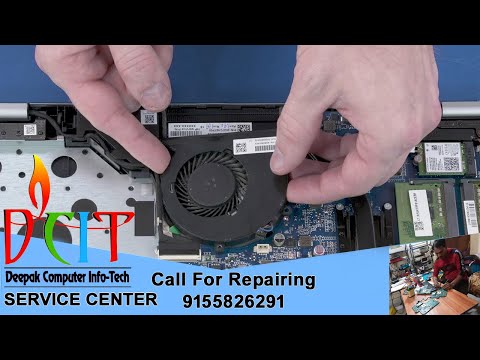
By DCIT TECH Dell E6410 Laptop Fan Not Spin CaseStudy Fan Not Working. LivePractical by DCIT TECH

Title: DO THIS IF YOUR LAPTOP COOLING FAN IS NOT WORKING PROPERLY laptops chidonotips
Channel: Chidono Tech Hub
DO THIS IF YOUR LAPTOP COOLING FAN IS NOT WORKING PROPERLY laptops chidonotips by Chidono Tech Hub
Laptop Wifi Connect
Is Your Laptop's Secret Fan Failing? (Find Out NOW!)
The hum of your laptop. It's a familiar sound, a constant companion in our increasingly digital lives. But what happens when that hum changes? When a subtle whir becomes a grinding groan, or silence descends where noise once reigned? This is often the first sign that your laptop's internal cooling system, its unsung hero – the fan – is facing difficulties. Ignoring these warning signs can lead to significantly reduced performance, system crashes, and, in the worst-case scenarios, irreparable damage to vital components. We're here today to guide you through the process of understanding your laptop's fan, recognizing the red flags of a failing system, and taking proactive steps to safeguard your valuable investment.
Decoding the Language of Your Laptop's Fan
Your laptop's fan isn't just a random piece of hardware; it's a vital component meticulously engineered to regulate the internal temperature of your device. Modern laptops, packed with powerful processors and graphics cards, generate substantial heat. This heat must be dissipated efficiently to prevent thermal throttling – a state where the laptop slows down its performance to protect itself from overheating. The fan plays a critical role in this constant thermal regulation.
Typically, a laptop fan is designed to operate at variable speeds. When the system is idle, the fan might spin very slowly, if at all. As you start demanding more from your laptop, such as running demanding applications, video editing, or gaming, the fan's speed increases. This is perfectly normal. The increase in fan speed is directly correlated to the internal temperature, and it's the fan's job to whisk away the heat generated by the CPU, GPU, and other crucial components. However, identifying changes in these patterns is key to spotting potential problems.
The Subtle Signs of Fan Failure: Recognizing the Early Warnings
A failing laptop fan rarely announces its demise with a sudden explosion. Instead, it often provides a series of subtle clues, a cascade of warnings that, if observed closely, can save you a significant headache (and expense) down the line. Awareness and vigilance are truly your best allies in this scenario.
One of the earliest indicators is a change in the fan's sound. A normally quiet fan might begin to emit a rattling, grinding, or clicking noise. These sounds indicate physical obstructions within the fan blades, worn-out bearings, or damage to the fan itself. Often, a bit of dust and debris collection is the cause.
Another warning sign is an increase in the fan's activity frequency. While your laptop may have always spun up its fan on occasion, a constantly running fan, in the absence of resource-intensive tasks, can signal a problem. This is because the fan is struggling to cool the system, even when the workload is relatively light. It's working overtime to compensate for inefficiencies or other issues.
Furthermore, keep a close eye on your laptop's performance. If you notice frequent slowdowns, freezing, or unexpected shutdowns, especially when running demanding programs, a failing fan could be the culprit. The system might be throttling itself to prevent overheating, leading to a poor user experience. This is especially noticeable during gaming or video-editing sessions.
Finally, you might notice a significant increase in the laptop's external temperature. If the chassis feels unusually hot to the touch, even after a short period of use, it's a clear indication that the cooling system is unable to effectively dissipate heat. This overheating can cause damage to sensitive electronic components and further exacerbate the problem.
Diagnosing the Problem: A Step-by-Step Guide
Once you suspect your laptop's fan might be failing, it's time to conduct a thorough diagnostic assessment. The good news is that you can perform several checks and tests without needing to open the laptop (though, eventually, some disassembly might be needed).
Begin by checking your CPU and GPU temperatures. Most modern laptops have built-in temperature sensors, and various software utilities can display this information. Programs like Core Temp (for Windows) or iStat Menus (for macOS) allow you to monitor the temperature of your CPU cores in real-time. If you're consistently seeing high temperatures, exceeding the manufacturer's recommended limits (typically 80-90°C), it's highly indicative of a cooling issue.
Next, listen carefully to the fan. Does the sound differ significantly from how it used to operate? Are there any unusual noises? Does it seem to struggle to spin up, or does it only work at maximum speed, even when you think the system is not demanding? These auditory clues will help you pinpoint the nature of the fan problem.
Try cleaning the fan vents. Dust and debris are the most common cause of fan issues. Use a can of compressed air to blow out any accumulated dust from the air vents of your laptop. Be sure to do this in a well-ventilated area and hold the can upright. This simple step can often resolve minor issues, such as the fan working too hard or generating a lot of unnecessary noise.
Run a benchmark test. Benchmark tests stress the CPU and GPU, allowing the system to reveal any potential deficiencies such as thermal throttling. If results are significantly lower than expected or other users of the same laptop model have reported, a cooling problem is a very likely culprit. These tests help determine if the system is performing as expected under load.
Beyond the Basics: More Advanced Troubleshooting
For those who are tech-savvy and comfortable with hardware, a deeper dive into troubleshooting can be highly beneficial.
If you're comfortable opening your laptop, you can visually inspect the fan. Be sure to consult your laptop's service manual or online guides before disassembling anything. Carefully examine the fan blades for any obstructions, damage, or wear. Check if the fan spins freely by gently rotating the blades with your finger. If the fan blades are obstructed or the fan doesn't spin freely, you'll need to clean or potentially replace the fan.
Consider thermal paste. Over time, the thermal paste that makes direct contact between the CPU and the heat sink components will degrade. This degradation decreases the heat transfer rate between the CPU and the heat sink components. If you know your laptop is several years old, consider replacing the thermal paste as part of your preventative maintenance. Make sure you have the proper replacement paste, and carefully apply it to the processor.
Investigate driver errors. In rare cases, updated or corrupted drivers, especially for the graphics card, can contribute to overheating. Visit the manufacturer's website and search for the latest drivers specific to your laptop model.
Preventative Measures: Proactive Steps to Ensure Longevity
Prevention is always better than cure. Several steps can significantly prolong the life of your laptop's fan and prevent future problems.
Regular cleaning is probably the single most crucial step. Use compressed air regularly to remove dust and debris from the vents and fan. How frequently you do this depends on how frequently your laptop is used and its environment.
Ensure your laptop is well-ventilated. Avoid using your laptop on soft surfaces like beds or blankets, which can block the air vents and trap heat. Set your laptop on a hard, flat surface, preferably with some space around the vents, to allow for adequate airflow.
Monitor your laptop's internal temperatures regularly. Keep an eye on those temperatures using the software mentioned earlier. This allows you to identify problems early on before the damage may be of a more permanent sort.
Consider a cooling pad. If you frequently use your laptop for resource-intensive tasks, a cooling pad can help supplement your laptop's internal cooling system. These pads often include fans that draw air away from the laptop's bottom surface, aiding in heat dissipation.
Exercise caution in hot environments. Avoid using your laptop in direct sunlight or excessively hot environments, as this will further increase the likelihood of overheating.
The Importance of Prompt Action
Addressing fan issues promptly is critical to preventing more significant problems. A failing fan can cause severe damage to your laptop's vital components, including the CPU, GPU, and motherboard. This damage can lead to costly repairs or, in the worst-case scenarios, a complete laptop replacement. Don't delay in investigating and resolving any warning signs you might observe. Act soon to save time, money, and the headaches you are sure to experience with a failing laptop fan.
