work from home laptop policy

Title: How to Write a Work From Home Policy Free Template CurrentWare
Channel: CurrentWare
How to Write a Work From Home Policy Free Template CurrentWare by CurrentWare
work.from home.laptop policy, laptop for working from home, work laptop policy, can you work from home with a laptop
Work From Home Laptop Policy: Your Ultimate Guide to Remote Work Success!
Unlocking Remote Mastery: Your Premier Work From Home Laptop Policy Compass
The allure of pajamas and productivity is undeniable. Work from home (WFH) has revolutionized the professional landscape. You need more than just a good Wi-Fi connection. You also need a robust plan. A smart work from home laptop policy serves as your bedrock. It will solidify your remote success. Consider it your secret weapon.
Navigating the WFH Terrain: The Policy Blueprint
So, where do we begin crafting this crucial document? The goal is not to create a rigid rulebook. Instead, it's to design a dynamic guide. First, identify what your company values. What are the specific needs of your remote workers? Begin by acknowledging the importance of clear communication. This will set the stage for a harmonious virtual workspace.
Hardware Harmony: Selecting the Right Arsenal
Choosing the right laptop is paramount. Assess the specific needs of each role within your organization. Therefore, a graphic designer might require a powerful machine. A content writer requires portability and efficiency. Consider the budget and hardware performance carefully. Define the key specifications. Include things like the processor, RAM, and storage capacity. Ensure the chosen laptops can handle the required software.
Software Solutions: Equipping Your Digital Fortress
Next, tackle the software side of things. Detail the approved software applications. Explain the guidelines for their use. Make sure security protocols are explicitly stated. Cybersecurity is a must for any remote operation. Outline the necessary software for communication and collaboration. Suggest a VPN to secure data transmission. Also, specify the procedure for software updates.
The Security Shield: Fortifying Your Digital Perimeter
Security is not optional; it's fundamental. This is more critical in a remote work environment. Then, integrate stringent security protocols. Encourage the use of strong passwords. You should mandate two-factor authentication. Outline the company’s data encryption policy. Address the handling of sensitive data meticulously. Explain acceptable use policies and their importance. Lastly, emphasize the consequences of non-compliance.
Connectivity Chronicles: Maintaining a Stable Connection
Reliable internet is essential for seamless remote work. This is the lifeline of your operations. Spell out your internet requirements. The policy should address issues like speed and stability. Moreover, establish troubleshooting guidelines for connectivity problems. Provide employee support for any IT issues. Suggest alternative actions if the primary internet service fails.
Data Dynasty: Managing and Protecting Information
Data is the lifeblood of modern businesses. The emphasis on data security can’t be overstated. The policy needs to define data access protocols. Specify who can access what information and how. Detail the data storage and backup procedures. Explain expectations related to data confidentiality. Outline the steps to take in case of a data breach.
The Care and Feeding of Your Laptop: Maintenance Matters
Laptops need regular TLC to perform at peak levels. Outline the maintenance responsibilities of the employees. Include details on software updates and virus checks. Clearly state who is responsible for repairs and maintenance. Give directions for handling hardware issues. Explain the process for reporting damage or malfunctions.
The Ownership Equation: Defining Asset Responsibility
Clarify the ownership and responsibility for the laptops. Does the company provide the laptops? Does the policy address devices purchased by employees? Specify liability for loss or damage. Delineate the return policy if employment terminates. Define the procedure for data sanitization upon device return.
Training and Support: Empowering Your Remote Workforce
Provide training and support to equip your team. Offer training on laptop usage and security protocols. Create a system for remote technical support. Compile FAQs and troubleshooting resources. Make technical assistance easily accessible. Foster a culture of knowledge and support.
Acceptable Use Agreements: Setting the Boundaries
Establish an acceptable use policy (AUP), a vital component of your WFH strategy. This clarifies the acceptable use of company-issued devices. The AUP should detail prohibited activities. Highlight examples of unacceptable online conduct. Outline disciplinary measures for policy violations. Encourage responsible and professional conduct.
Policy Amendments: Keeping Up with the Times
The tech landscape is ever-evolving. Therefore, your policy must be flexible. Include a clause that allows for amendments. Specify the process for making changes. Ensure the policy remains effective and up-to-date. Communicate policy updates clearly to all employees.
Success Unveiled: The End Game
A comprehensive work from home laptop policy is your cornerstone. It isn't just a document; it's a commitment. It's a commitment to security, productivity, and success. Embrace the future and cultivate a thriving remote work environment. With preparation and foresight, you can unlock the full potential of remote work. Embrace this journey with confidence. By mastering these principles, you will build a resilient and thriving remote workforce.
Laptop Volume Keys Dead? This SHOCKING Fix Works!Work From Home Laptop Policy: Your Ultimate Guide to Remote Work Success!
Hey there, fellow remote workers! The digital nomad life is calling, and for many of us, it's a dream come true. But let's be real, navigating the world of Work From Home (WFH) can feel like charting unknown waters. One of the most crucial aspects of succeeding in this brave new world? Your laptop policy. It’s the unsung hero, the silent guardian of your productivity, and the key to unlocking your remote work potential. We're diving deep into it today, so buckle up!
1. Unveiling the Core: Why a WFH Laptop Policy Matters
Think of your WFH laptop policy as your personal roadmap to remote work bliss. Without it, you're basically sailing without a compass. A well-defined policy provides clarity, prevents headaches, and most importantly, safeguards both you and your company. Imagine the chaos without one! It’s like trying to bake a cake without a recipe; you might get something, but it's unlikely to be the masterpiece you envisioned.
2. Decoding the Essentials: Key Components of a Robust Policy
So, what exactly goes into this magical document? Let's break it down, piece by piece.
- Device Ownership & Responsibilities: Who owns the laptop? Is it company-issued, or a “bring your own device” (BYOD) scenario? The policy needs to spell out exactly who’s responsible for what. For example, if it’s company-owned, they typically handle repairs, while you’re responsible for its physical care.
- Security Protocols: Firewalls, antivirus software, password requirements…the list goes on. Cybersecurity is paramount. Think of your laptop's security like the lock on your front door. You wouldn't leave it unlocked, would you? Your policy needs to mandate these crucial security measures.
- Data Protection & Confidentiality: This is where you get into the nitty-gritty of protecting sensitive information. How do you handle confidential documents? What about data backups? Does the policy clarify remote access restrictions? Again, this is like handling classified documents; you need protocols to protect them.
- Software & Hardware Requirements: Does the policy dictate specific software (e.g., VPNs, communication platforms) or hardware (e.g., webcam, external monitor)? It could also outline system requirements to streamline work.
- Acceptable Use: This section outlines what you can and can't do with the laptop. Essentially, it establishes the boundaries of acceptable usage. No personal use, or limited personal use? The rulebook is found here.
- Support & Troubleshooting: Who do you turn to when things go wrong? Does your company provide IT support? The policy should clearly state the channels for assistance.
- Return of Equipment: What happens when your employment ends? The policy specifies how and when to return company-owned devices.
3. The BYOD vs. Company-Issued Laptop Dilemma: Weighing the Pros and Cons
The "bring your own device" or "company-issued" question can be a big one. Let's explore the pros and cons of both:
Company-Issued Laptop:
- Pros: Enhanced security (the company can control software, security protocols, etc.), consistent hardware standards, company-funded maintenance, and compliance with data protection policies.
- Cons: Can sometimes feel restrictive (less flexibility in terms of customizing the device), may lack the familiarity of your own device and can sometimes feel like a second-rate piece of equipment.
BYOD (Bring Your Own Device):
- Pros: Familiarity with your device, personalization, a possible cost savings for the company by not having to purchase hardware.
- Cons: Potential security vulnerabilities (if your personal device is poorly secured), increased risk of data breaches, and the potential for blurring the lines between work and personal life, making it difficult to "switch off."
The right choice depends on the organization and the nature of your role.
4. Security First: Protecting Your Laptop and Your Data Like Fort Knox
Cybersecurity is no joke. Your laptop is a gateway to sensitive data, so you must protect it like the crown jewels. Implement strong passwords, use multi-factor authentication, keep your software updated, and be cautious of phishing attempts. It's like building a moat around your digital castle!
5. The VPN Advantage: Securing Your Remote Connection
A Virtual Private Network (VPN) creates an encrypted tunnel for your internet traffic, making it nearly impossible for anyone to eavesdrop on your connection. Using a VPN is like having a secret, private line for your work communication. Essential for securing your connection to your company's network, particularly when using public Wi-Fi!
6. Backup, Backup, Backup: Safeguarding Your Precious Data
Think of your data as your life's work. What would happen if you lost it all? Backups are your safety net. Implement a reliable backup strategy to safeguard your data – whether that means backing up to an external hard drive, using cloud storage, or both. Redundancy is key!
7. Acceptable Use: The Do's and Don'ts of Your WFH Laptop
This is a crucial section of your policy. It sets the boundaries of what's considered appropriate and inappropriate use of your company-issued laptop. Stick to the stated rules. Think of it like the rules of the road – following them prevents accidents and chaos.
8. Software Updates: Keeping Your Laptop Running Smoothly
Regular software updates are more than just annoying notifications; they're critical for patching security vulnerabilities and ensuring your laptop runs smoothly. Don't ignore them! It’s like maintaining your car; regular maintenance prevents breakdowns.
9. The Human Element: Addressing the Human Side of Remote Work
It’s not all about the tech. Remember that remote work is also about people. Communicate, collaborate, and foster a positive work environment even when working remotely.
10. IT Support: Knowing Where to Turn When Things Go Wrong
When tech troubles strike (and they will!), knowing where to get help is essential. Does your company provide IT support, or are you on your own? Clarify the support channels in the policy.
11. The Ergonomics of Remote Work: Setting Up a Comfortable Workspace
Your physical environment matters. Invest in a comfortable chair, position your laptop correctly, and take breaks. This will not only boost productivity but will also contribute to your overall well-being. Your body will thank you!
12. The Return Policy: What Happens When You Leave?
When your employment concludes, there are typically processes to go through. The policy will outline how and when to return company-issued equipment and what happens to the data on your device.
13. Policy Updates: Staying Ahead of the Curve
Technology changes rapidly, and so should your policy. Regularly review and update the policy as your company’s needs evolve.
14. Communicating the Policy Effectively: Ensuring Everyone is on the Same Page
Clear communication is crucial. Ensure that all employees fully understand the laptop policy. Make the document readily accessible, and answer any questions promptly. It's like a handbook for your remote work journey.
15. The Future of WFH Laptop Policies: Adapting to Change
As remote work continues to evolve, so will laptop policies. Stay informed about the latest trends and adjust your policies accordingly.
Closing Thoughts
We've covered a lot ground today, from the fundamental reasons why a WFH laptop policy is essential to the specific components that should be included. Remember, this policy isn't just about rules; it's about creating a secure, productive, and enjoyable remote work experience. Embrace it, understand it, and make it work for you. Go forth, work remotely, and thrive!
FAQs
1. What if my company doesn't have a WFH laptop policy?
That's less than ideal, but it's not the end of the world. If your company lacks a formal policy, familiarize yourself with their existing cybersecurity guidelines and consult with your manager about any specific concerns. Always prioritize security.
2. Can I use my personal laptop for work?
The answer depends on your company's policy. Some companies offer BYOD programs, while others only allow company-issued devices. Always follow company guidelines.
3. What happens if my laptop is lost or stolen?
Contact your IT department or designated contact person immediately. Report the loss or theft, change your passwords, and follow the company's prescribed procedures for handling such incidents, which is typically outlined in your WFH laptop policy.
4. How often should I change my passwords?
It depends on your company's security protocols. Some organizations require frequent password changes, while others have different policies. Follow your company's guidelines.
5. How do I ensure the security of my Wi-Fi network?
Use a strong password for your Wi-Fi, encrypt your network, and update your router's firmware regularly. Consider using a separate network for work purposes if possible.
- Principal Keywords: WFH Laptop Policy, Remote Work
- SEO Headline: WFH Laptop Policy: Remote Work Success Guide
- Pathway: Remote Work Guide
- Meta Summary: Master your WFH setup! This guide covers essential WFH Laptop Policy for remote work, ensuring security, productivity, and success.
- Image Alt Text: A person working
How employers monitor employees working remotely
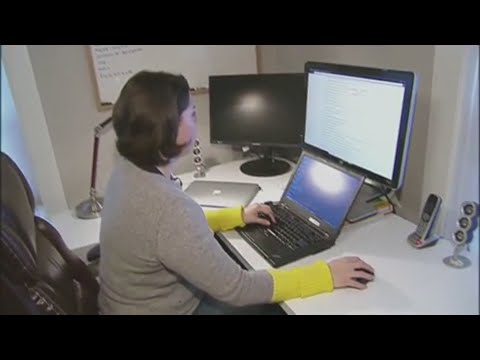
By FOX 2 St. Louis How employers monitor employees working remotely by FOX 2 St. Louis
Let's talk work from home policies For Business Leaders

By Phiona Martin Let's talk work from home policies For Business Leaders by Phiona Martin
Dont use work laptop for personal use

By Infosec Dont use work laptop for personal use by Infosec

Title: BEST Work From Home Laptop 10 Reasons Why Macbook is a Great Investment Online Teaching Laptop
Channel: Teacha Karen
BEST Work From Home Laptop 10 Reasons Why Macbook is a Great Investment Online Teaching Laptop by Teacha Karen
Laptop Wifi Hotspot
Work From Home Laptop Policy: Your Ultimate Guide to Remote Work Success!
The rise of remote work has fundamentally reshaped the professional landscape, ushering in an era of unprecedented flexibility and global collaboration. Central to this transformation is the ubiquitous laptop, the digital portal through which countless individuals access their jobs, connect with colleagues, and contribute to their organizations. However, simply providing a laptop is not enough. A well-defined and rigorously enforced work from home (WFH) laptop policy is the bedrock upon which a successful and secure remote work environment is built. This comprehensive guide offers a detailed exploration of crafting and implementing such a policy, ensuring both employee productivity and organizational data security.
Understanding the Importance of a WFH Laptop Policy
A robust WFH laptop policy provides a clear framework for employees, outlining permissible activities, security protocols, and expectations regarding the use of company-issued devices. Without such a policy, an organization exposes itself to a multitude of risks, including data breaches, legal liabilities, and decreased productivity. It is not merely a set of rules; it is a proactive measure that safeguards sensitive information, promotes responsible device usage, and fosters a culture of accountability.
Key Components of a Comprehensive WFH Laptop Policy
Crafting an effective WFH laptop policy requires careful consideration of several critical components, each playing a vital role in mitigating risk and ensuring operational efficiency.
1. Device Ownership and Responsibilities:
Clearly defining the ownership of the laptop is paramount. Is the laptop company-owned or is a bring-your-own-device (BYOD) model in play? If company-owned, specify the company's responsibility for maintenance, repair, and replacement, and also underscore the employee’s responsibility for the device’s proper care and security. If BYOD is implemented, detailed requirements concerning device specifications, security software, and data access protocols are obligatory.
We must explicitly state acceptable and unacceptable uses of the laptop. Personal use should be clearly defined. Limit inappropriate usage such as streaming videos, playing games, or browsing questionable websites during work hours, as these activities can compromise productivity and potentially introduce security threats.
2. Security Protocols and Data Protection:
This is the cornerstone of any WFH laptop policy. Mandate the use of strong passwords, including regular updates, and multi-factor authentication (MFA) on all company accounts and applications. Enforce the installation and maintenance of up-to-date antivirus and anti-malware software. Require regular security scans and the immediate reporting of any potential security breaches.
Highlight the importance of encrypting the laptop’s hard drive to protect data if the device is lost or stolen. Define protocols for handling sensitive data, including data storage locations, access restrictions based on job roles, and secure sharing methods. Include a clear policy on cloud storage usage, specifying approved platforms and data backup procedures to prevent data loss.
3. Software and Application Management:
Establish a clear policy on software installation. Limit the installation of unauthorized software that can compromise security and introduce compatibility issues. Specify an approved list of software required for work-related tasks. Mandate that all software is regularly updated to the latest versions to patch security vulnerabilities.
Define procedures for software updates, including who is responsible for updates and how they are to be implemented. Detail the use of company-approved communication platforms or collaboration tools, and prohibit the use of unauthorized or unsecured communication channels.
4. Network Security and Internet Usage:
The WFH laptop policy must address secure internet usage. It is imperative to require employees to use a secure internet connection. Advise employees to use home Wi-Fi networks protected by strong passwords and encryption. Encourage the use of a virtual private network (VPN) for secure access to company resources from public Wi-Fi hotspots.
Prohibit the use of unsecured networks, such as public Wi-Fi without a VPN. Define acceptable internet usage policies, restricting access to websites that may pose security risks or violate company policies. Emphasize the importance of responsible internet browsing practices, avoiding suspicious links and downloads.
5. Data Backup and Recovery:
Data loss can be catastrophic. A robust policy requires regular data backups. Mandate automated and scheduled backups to secure data. Include specifications for backup frequency, such as daily or weekly backups, based on the value of the data.
Clearly define the storage location for backups (e.g., cloud-based services, network drives). Outline the process for data recovery in the event of data loss, including steps for restoring data from backups.
6. Acceptable Use of Company-Issued Hardware and Equipment:
Define the acceptable uses of the company-issued laptop and any other hardware. Specify the intended business purposes for which the laptop is provided. Prohibit the use of the laptop for personal gain or activities that are not work-related.
Define acceptable practices for the use of company-issued peripherals, such as printers and webcams. Prohibit the sharing of company-issued devices with unauthorized individuals.
7. Remote Access and Access Controls:
Detail the procedures for accessing company resources remotely. Define the access methods available, such as VPN access or remote desktop connections. Explain the proper steps for securing remote sessions, including logging off after use.
Create access restrictions and authorization protocols to protect sensitive data, restricting access based on job roles. Implement a process for granting and revoking access privileges, and also regularly audit access logs to ensure compliance with the policy.
8. Privacy and Confidentiality:
Protecting sensitive information is critical. Ensure that employee privacy is safeguarded by adhering to all applicable data protection regulations. Emphasize the importance of confidentiality regarding company information, customer data, and other confidential business matters.
Prohibit the unauthorized disclosure of confidential information. Implement protective measures to prevent data leakage. Ensure that any employee communications are secure and confidential.
9. Incident Reporting and Response:
Establish clear procedures for reporting security incidents or breaches. Provide instructions on how to report a lost or stolen laptop. Define the steps employees must take if they suspect a security breach.
Outline the company's response plan in the event of a security incident. Provide contact information for reporting incidents, such as the IT department or security team. Emphasize the importance of prompt reporting of any potential security issues.
10. Policy Enforcement, Training, and Regular Updates:
The policy has to be actively and consistently enforced. Clearly outline the consequences of non-compliance with the WFH laptop policy. Provide guidance on disciplinary actions for violating the policy, which could range from warnings to termination of employment.
Conduct regular training sessions. Provide comprehensive training on the WFH laptop policy, covering security protocols, data protection, and responsible device usage. Update the training materials regularly to address emerging security threats and reflect changes in technology or organizational policies.
Regularly review and update the WFH laptop policy. Review the policy at least annually to ensure it remains relevant and aligns with current industry standards, regulations, and the specific needs of the organization. Incorporate employee feedback to improve the policy's clarity and effectiveness.
Crafting an Effective WFH Laptop Policy: Best Practices and Considerations
Several best practices and considerations will improve the effectiveness of your WFH laptop policy, making it easier to understand, enforce, and adapt to changing circumstances.
Clarity and Conciseness: Write in plain language. Avoid jargon and overly technical terms that employees may not understand. Ensure the policy is easy to read and understand.
Accessibility The policy must be easily accessible to all employees. Make the policy readily available to employees through various channels, such as a company intranet, employee handbook, or other central resources.
Legal Review Have the policy reviewed by legal counsel to ensure compliance with all applicable laws and regulations.
Employee Acknowledgment Require employees to formally acknowledge that they have read and understood the policy. Obtain signed agreements as confirmation of their understanding.
Regular Audits: Conduct regular audits and checks to ensure compliance with the policy. Review employee access logs and other relevant monitoring data.
Communication and Feedback Maintain open communication channels to address employee concerns and gather feedback on the policy.
Stay Informed: Keep abreast of the latest cybersecurity threats and best practices. Stay updated with emerging technologies and how they might impact the policy.
Implementing and Enforcing Your WFH Laptop Policy
The most carefully crafted policy is useless if it’s not properly implemented and rigorously enforced.
Communication and Training: Communicate the policy clearly to all employees. Conduct training sessions to educate employees on the policy's requirements and answer their questions.
Technical Implementation: Implement technical measures to enforce the policy, such as requiring strong passwords, multi-factor authentication, and automatic software updates.
Regular Monitoring: Continuously monitor the use of company-issued laptops to check compliance with the policy. Monitor for suspicious activity.
Disciplinary Actions: Enforce the policy consistently. Apply appropriate disciplinary actions for non-compliance.
Policy Updates: Regularly review and update the policy to ensure its relevance and effectiveness. Incorporate employee feedback.
Conclusion: The Future of Remote Work and the Role of a Strong WFH Laptop Policy
As remote work continues to evolve, the need for a robust and adaptable WFH laptop policy will only become more critical. By implementing the guidelines outlined in this comprehensive guide, organizations can foster a secure, productive, and compliant remote work environment. A well-defined WFH laptop policy is not merely a set of rules, but an investment in organizational success, protecting data, fostering trust, and empowering employees to thrive in the modern, distributed workplace. By taking these steps, any business can not only survive but excel in the ever-changing landscape of remote work.
