compaq laptop mouse pad not working
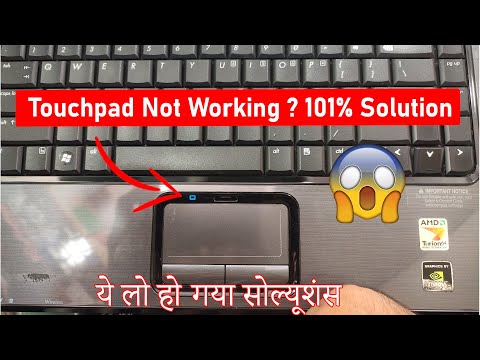
Title: COMPAQ Laptop Touchpad Problem Don't Work Touchpad Fixed 101
Channel: One Minute Solution
COMPAQ Laptop Touchpad Problem Don't Work Touchpad Fixed 101 by One Minute Solution
compaq laptop touchpad not working, why has my laptop touchpad stopped working, why won't my mousepad work on my laptop
Compaq Laptop Mousepad DEAD? Fix It NOW!
Is Your Compaq Laptop Mousepad a Paperweight? Breathe Life Back Into It!
Oh, the frustration! You're in the middle of something important, and then – poof – your Compaq laptop mousepad gives up the ghost. That smooth, responsive surface suddenly becomes a frustrating wasteland. But don't throw your hands up in despair just yet! Before you rush to the store for a new mouse (or worse, a whole new laptop!), let's see if we can resurrect that trusty mousepad.
Troubleshooting Your Troublesome Touchpad: A Step-by-Step Rescue
First things first, let's approach this calmly. Don't panic. Let's diagnose the problem methodically. We'll explore some common culprits and, more importantly, how to conquer them. Because getting that mousepad working again is essential for productivity.
So, are you ready?
Restart Your System: The Universal First Aid for Tech Woes
It may sound ridiculously simple, but sometimes the easiest solution is the best. Restarting your Compaq laptop can magically resolve a multitude of tech issues. It might be just the gentle reset your system needs. Often, it is just a minor software glitch causing the issue.
For instance, a process might be stuck or interfering with the touchpad's functions. A simple restart clears the temporary files. Consequently, this allows everything to start fresh. Therefore, shut down completely and then restart. Did that work? If not, let's proceed.
Driver Dilemmas: Ensuring Your Touchpad Knows How to Operate
Drivers are the unsung heroes (or sometimes villains) of your computer's functionality. They're the software that allows your hardware to communicate with the operating system, and in this case, that includes your touchpad. Outdated, corrupt, or missing drivers are major causes of touchpad malfunctions.
To address this, you'll need to update or reinstall them.
- Go to your Device Manager. You can easily find it by searching in the Windows search bar.
- Expand the "Mice and other pointing devices" section.
- Right-click on your touchpad (it might be listed as "Synaptics Touchpad", "Elan Touchpad", or something similar) and select "Update driver." Choose the option to search automatically for updated driver software.
You may also want to uninstall the driver and then restart your laptop. Windows will often reinstall the driver automatically. If that doesn't solve it, visit the Compaq support website. Download the correct updated driver.
Hardware Hurdles: Examining the Physical Connections
While software glitches are common, sometimes the problem lies in the hardware itself. Let's investigate. Has anything been spilled on your laptop? Is there visible damage to the touchpad surface? Dust and debris can also interfere with its functionality.
First, clean the touchpad gently with a microfiber cloth. Next, inspect the area around the touchpad for any obvious damage. If liquid spilled on the device, carefully dry the surrounding area.
BIOS Blues: Checking Your BIOS Settings
The BIOS is the basic input/output system. This low-level software directly manages your computer's hardware. Sometimes, the touchpad might be accidentally disabled within the BIOS settings. This doesn't happen often, but it is worth checking.
Enter your BIOS settings during startup. The key to enter frequently is Delete, F2, F10, or Esc. The exact key varies depending on your Compaq model. Find the option for touchpad or pointing device. Make sure it's enabled. Save your settings and restart.
Sensitivity Settings: Perfecting Your Pointing Precision
Perhaps the hardware is fine, the drivers are in order, and still no luck? Check your touchpad settings within the operating system. Your sensitivity might be set too low. This can make it seem unresponsive.
Go to your settings. Look for the touchpad or mouse settings. Then, adjust the sensitivity and acceleration settings. Experiment with different configurations to find what feels natural and responsive for you.
External Influences: Identifying Conflicts
Are you using an external mouse? Sometimes, an external mouse can interfere with the touchpad's function. In some situations, the system might be trying to use the external mouse as the primary input device.
Unplug your external mouse temporarily. See if your touchpad then starts working. If it does, adjust settings to prioritize the touchpad.
Final Resort: Exploring Repair or Replacement Options
If you have followed all the steps and your Compaq laptop mousepad is still dead… It could be a more serious hardware issue. At that point, you may have to consider more advanced solutions.
Contact a qualified technician for professional assistance. They can diagnose the root problem and recommend the best course of action. If the mousepad is beyond repair, consider the replacement options. Sometimes, it's cost-effective to replace the entire touchpad module.
Final Thoughts: Don't Give Up Hope (and Your Sanity!)
Dealing with a non-functional touchpad is frustrating. But, with a little patience and the right troubleshooting steps, you can often bring it back to life. Remember to stay calm, follow the steps methodically, and don't give up! Chances are, you can fix it yourself without a costly repair. Soon, you will be back to smoothly navigating your laptop!
Laptop Audio Dead? FIX This NOW!Compaq Laptop Mousepad DEAD? Fix It NOW!
Okay, fellow tech travelers, let's face it: there's nothing quite as infuriating as a dead mousepad when you're in the middle of something important. Imagine, you're crafting the perfect email, finishing a crucial presentation, or even just browsing your favorite cat videos (don’t judge!), and suddenly… freeze. The cursor hangs, unresponsive, a digital ghost. If you're staring at a black screen with a frozen mouse pointer on your Compaq laptop, and that mousepad is stubbornly refusing to cooperate, you're in the right place. We’ve all been there, teetering on the brink of throwing our laptops across the room. But before you succumb to the urge, let's try to resurrect that finicky little pad. This guide is your digital defibrillator. We’re going to breathe life back into that cursor and get you back on track.
1. The Silent Assassin: Diagnosing the Mousepad's Demise
First things first: we need to figure out why the mousepad is dead. Think of it like being a digital detective. Is it a simple glitch, a software snafu, or a deeper, more sinister hardware issue? Think of it like a Sherlock Holmes moment, meticulously examining the scene.
- Is it completely dead? Does the cursor not move at all? Or is it just erratic and jumpy? This is our first clue. A completely unresponsive mousepad is usually a different beast than one that's just misbehaving.
- Have you tried the obvious? Yes, this sounds basic, but trust me, we all forget sometimes. Is the laptop plugged in? The mousepad could be disabled if the battery is low.
- Is it just this Compaq laptop? Or do you have a second laptop to compare? Another computer will help you quickly tell if the problem is your mousepad or your operating system.
- External Mouse Test. Does the mousepad work if you plug in an external USB mouse? That's another crucial piece of evidence. If an external mouse works, it points the finger directly at the mousepad or its drivers.
2. The Software Salve: Troubleshooting Driver Issues
Sometimes, the fix is as simple as resetting the software. Think of it as a digital reboot, giving the operating system a fresh start.
- Driver Reinstallation: This should be our first step. Drivers are the software that allows your laptop to “talk” to the mousepad. They can become corrupted or outdated. Here's how to give them a refresh;
- Go to the Device Manager. You can usually find this by searching for it in the Windows search bar (the little magnifying glass icon).
- Expand "Mice and other pointing devices." You should see your mousepad listed here (it might not explicitly say "mousepad," but look for something like "HID-compliant mouse").
- Right-click on your mousepad device and select "Uninstall device."
- Restart your Compaq laptop. Windows will usually automatically reinstall the correct drivers upon startup.
- Driver Updates: Keep an eye out for driver updates. Go back to Device Manager. Right-click on your mousepad again, but this time, select "Update driver." Choose "Search automatically for drivers”. Windows will now look for the latest and greatest for you.
- Roll Back Drivers: Sometimes, the recent update is the culprit. If you've updated drivers recently and the issues started afterward, you might want to roll them back to the previous version. Right-click your mousepad in Device Manager, select "Properties," then navigate to the "Driver" tab. You should see a "Roll Back Driver" option.
3. The BIOS Boost: Exploring System Settings
Sometimes, the cause lies deeper within the system's core operating settings. While it's not always to blame, your BIOS could be the issue.
- Accessing the BIOS: This is a fundamental part of all PCs. To access the BIOS, you will usually need to press a specific key (like Delete, F2, F10, or Esc) repeatedly as your Compaq laptop starts up. The prompt for the correct key will generally appear with the Startup screen.
- Navigating the BIOS: Once there, explore the settings. There may be an option to enable or disable the touchpad. Make sure it's enabled. (Your manual will specifically explain this).
- Resetting BIOS Defaults: If you've been tinkering with BIOS settings, consider resetting them to their default values. There's usually an option to do this within the BIOS menu.
4. The Hardware Hustle: Physical Inspections and Connections
Sometimes, the problem is right in front of you, literally. Let's take a look beneath the surface.
- External Mouse Override: Make sure you're not accidentally using an external mouse and the touch pad is disabled.
- Lint and Debris: Give your mousepad a good cleaning. Use either a microfiber cloth or even compressed air to remove any dust, debris, or gunk that could be interfering with its function.
- Internal Cable Check (Advanced): This is only for the brave. If you're comfortable opening up your laptop (and only if you're comfortable – otherwise, take it to a professional!), you can check the connection of the mousepad cable to the motherboard. This requires careful disassembly and reassembly and could void your warranty. Consider this a last resort.
5. Power Cycle Power-up: Restarting the Basics
Sometimes, all your Compaq laptop needs is a good old-fashioned reboot.
- The Simple Restart: This is the digital equivalent of taking a deep breath. Restart your laptop and see if that miraculously fixes the issue
- The Hard Reset: If a simple restart doesn't work, try a hard reset (removing the battery in some laptops, or holding the power button down for an extended period, or using a power reset button). This will clear the computer's memory.
6. The Software Showdown: Examining Operating System Conflicts
The mousepad can sometimes fall victim to a software conflict.
- Recent Software Installs: Think back to the time when things started going wrong. Did you install any new software or drivers around that time? If so, try uninstalling them and see if that helps. Sometimes, there's a conflict.
- Startup Programs: Some start-up programs can interfere with your mousepad. Open Task Manager, go to the "Startup" tab, and disable programs that you don't need to run during startup.
- Virus Scan: Run a full scan of your system with your antivirus software. Malware can sometimes mess with hardware functions.
7. Adjusting the Sensitivity: Fine-Tuning Touchpad Preferences
It might not seem like much, but adjusting touchpad settings can make a big difference.
- Accessing Touchpad Settings: Go to the Control Panel and click on "Mouse."
- Sensitivity Settings: Look for options to adjust the tracking speed and sensitivity of your mousepad. Try increasing the sensitivity a little.
- Palm Rejection: Some Compaq laptops have a palm rejection feature. If it's too sensitive, it might be registering accidental touches as input, which can lead to problems. Make sure the palm rejection setting is correctly configured.
8. The Power Play: Energy Saving Considerations
Power settings can affect mousepad performance.
- Power Plan: Check your power settings. If you're using a power-saving plan, it might be limiting the power supplied to the mousepad. Try switching to a "Balanced" or "High Performance" plan.
- Device Power Management: In Device Manager, go to the properties of your mousepad and check the "Power Management" tab. Make sure the setting that allows the computer to turn off the device to save power is not checked.
9. External Mouse Compatibility: When an Alternative is a Lifesaver
Though it might not be a fix, it is a relief in a pinch.
- USB Mouse: The easiest alternative is to plug in a USB mouse. This gets you working immediately. Most new, common, and current Compaq laptops have ports to spare!
- Wireless Mouse: Even better! A wireless mouse gives you extra freedom.
- Bluetooth Mouse: This is another option, especially if your Compaq laptop has the ability to connect.
10. The Warranty Whisperer: Considering Repair or Replacement
If all else fails, it could be time to accept reality.
- Check Your Warranty: Before you start tearing your Compaq laptop apart, check your warranty! It might cover the repair or replacement of a faulty mousepad.
- Professional Repair: If the warranty has expired, a qualified computer repair technician can diagnose and fix the problem, potentially replacing the mousepad if necessary.
- Replacement Parts: If you're handy and the mousepad is the issue, you can try ordering a replacement mousepad online. Just be sure to find the right model for your Compaq laptop!
11. Advanced Troubleshooting: The Hidden Software Glitches
Dig a little deeper; some software problems can hide.
- System File Checker: Run the System File Checker (SFC) tool in Windows (open the command prompt as an administrator and type "sfc /scannow"). This can check for and repair corrupted system files that
HOW TO ENABLE & DISABLE TOUCHPAD COMPAQ PRESARIO CQ 42436063 ALL LAPTOP

By INFORMATION PORTAL IP HOW TO ENABLE & DISABLE TOUCHPAD COMPAQ PRESARIO CQ 42436063 ALL LAPTOP by INFORMATION PORTAL IP
Compaq presario cq62 mouse pad lock, lap top mouse pad not working, presario mouse pad problem,

By Adv. Alex Thomas Compaq presario cq62 mouse pad lock, lap top mouse pad not working, presario mouse pad problem, by Adv. Alex Thomas
Compaq Presario v3000 touch pad repair. Fixed

By Yousef Yousef Compaq Presario v3000 touch pad repair. Fixed by Yousef Yousef

Title: Replace the touchpad button board Compaq Presario CQ43-100 Notebook PC series HP Support
Channel: HP Support
Replace the touchpad button board Compaq Presario CQ43-100 Notebook PC series HP Support by HP Support
Wifi On Laptop Phone
Compaq Laptop Mousepad DEAD? Fix It NOW!
Navigating the digital landscape, your Compaq laptop’s mousepad is an indispensable tool. When it fails, productivity grinds to a frustrating halt. We’ve meticulously crafted this comprehensive guide to diagnose and resolve mousepad malfunctions on your Compaq laptop. Follow these steps, and you'll be back in control in no time.
Understanding the Root of the Problem: Common Mousepad Issues
Before diving into solutions, understanding the common culprits behind a non-functional mousepad is paramount. These issues range from software glitches to hardware failures, each demanding a specific approach. We'll cover the spectrum, ensuring you pinpoint the exact cause of your Compaq's woes.
- Driver Malfunctions: The touchpad’s driver is the software bridge between your mousepad and the operating system. Corruption, outdated versions, or improper installations often lead to erratic behavior or complete failure.
- Hardware Damage: Physical impact, liquid spills, or general wear and tear can compromise the mousepad’s internal components. This might include a detached cable, a cracked surface, or a faulty sensor.
- Disabled Mousepad: Many Compaq laptops feature a function key shortcut to disable or enable the touchpad. Accidental deactivation is a surprisingly common cause of mousepad inactivity.
- Operating System Conflicts: System updates or software installations can sometimes introduce conflicts that disrupt the mousepad's functionality. This is particularly true if there's a third-party utility managing the touchpad.
- External Mouse Interference: If an external mouse is connected, especially a malfunctioning one, it might override the touchpad’s control.
Troubleshooting Steps: A Systematic Approach to Mousepad Repair
Now, let's embark on a step-by-step troubleshooting journey to revive your Compaq laptop mousepad. We'll begin with the simplest solutions and progress towards more complex ones, efficiently targeting the source of the problem.
1. The Simple Reset: Basic Checks and Quick Fixes
Begin with the fundamentals; often, the solution is surprisingly straightforward:
- Power Cycle: Shut down your laptop completely. Remove the battery (if possible) and the power adapter. Hold the power button down for 30 seconds. Re-insert the battery (if removed) and plug in the adapter. Restart your laptop. This can clear temporary glitches.
- Check the Function Key: Locate the function key (Fn) and the touchpad icon key (usually a small touchpad image). Simultaneously press these keys. This toggles the touchpad on and off. Test it repeatedly.
- Clean the Mousepad Surface: Use a slightly damp, lint-free cloth to gently clean the mousepad surface. Dust, grease, and debris can interfere with the sensors, causing erratic movements or complete non-responsiveness. Ensure the laptop is powered off and the cloth is not dripping wet.
2. Driver Diagnostics and Updates: Ensuring Compatibility
Outdated or corrupted drivers are frequent saboteurs. Let’s ensure the correct software is running:
- Access Device Manager: Right-click the "Start" button and select "Device Manager." Alternatively, type "Device Manager" in the Windows search bar and open the result.
- Locate the Mousepad: Expand the "Mice and other pointing devices" category. You'll likely see an entry similar to "Touchpad" or "Synaptics Touchpad."
- Driver Check: Right-click the relevant entry and select "Update driver." Choose "Search automatically for drivers." Windows will attempt to locate and install the latest drivers.
- Manual Driver Update (If Necessary): If Windows can’t find a driver, visit the Compaq support website. Enter your laptop's model number to find the correct driver for your specific machine. Download and install the touchpad driver.
- Driver Rollback (If a Recent Update Caused the Issue): In Device Manager, right-click the touchpad entry. Select "Properties." Go to the "Driver" tab and click "Roll Back Driver" if the option is available. This reverses any recent driver updates that might be causing issues.
3. Operating System and Software Conflicts: Eliminating Disruptions
Sometimes, the problem isn't the mousepad itself, but the environment it operates in:
- System Restore: If the mousepad started malfunctioning after a recent software installation or system update, consider a system restore. This reverts your system to a previous point in time when the touchpad was working correctly. In the Windows search bar, type "Create a restore point" and open the System Properties window. Click "System Restore" and follow the on-screen instructions.
- Safe Mode Evaluation: Restart your laptop in Safe Mode. This loads Windows with a minimal set of drivers and services. If the mousepad works in Safe Mode, it suggests a software conflict. To boot in Safe Mode, restart your computer and repeatedly press F8 or Shift + F8 (depending on your model) during startup before the Windows logo appears.
- Uninstalling Problematic Software: Identify and uninstall recently installed software that might be interfering with the touchpad. This is especially true for touchpad management utilities or third-party mouse drivers.
4. Hardware Inspection and Calibration: Delving Deeper
If software-related issues prove unhelpful, it's time to consider possible hardware faults - be cautious and proceed with care:
- External Mouse Test: Connect an external USB mouse. If the external mouse functions correctly, this eliminates a system-wide problem and suggests the touchpad itself is the culprit.
- External Mousepad Test: If you have access to another Compaq laptop, or even a different brand, test if the touchpad cable and the motherboard of your old laptop are working.
- Internal Hardware Check (Advanced): We strongly advise against performing internal hardware repairs unless you possess the necessary technical expertise. If you're comfortable with it, carefully open your laptop (consult your laptop's service manual for instructions). Inspect the touchpad cable connection to the motherboard. Ensure it's firmly seated and not damaged. Also, carefully inspect the touchpad itself for any visible damage, such as cracks or liquid damage.
- Touchpad Calibration (If Available): Some touchpad control panels offer calibration options. These settings allow you to fine-tune the touchpad’s sensitivity and responsiveness. Search for "Touchpad settings" in the Windows search bar and explore the available options.
When to Seek Professional Assistance
If all troubleshooting steps fail, it’s time to admit the problem may be beyond your skill set. Don’t hesitate to seek professional help.
- Physical Damage: If the mousepad is physically damaged (cracked, severely scratched), it will need replacement.
- Internal Hardware Issues: Complex hardware problems, like a faulty sensor or damaged motherboard components, often require specialized tools and expertise.
- Uncertainty: If you're unsure about any step outlined, or if you lack the confidence to disassemble your laptop, consult a qualified computer repair technician. Attempting repairs outside of your technical abilities can lead to further damage.
- Warranty Coverage: Check if your laptop is still under warranty. Repairing the laptop yourself could void the warranty. Utilize the manufacturer's support channels or authorized service centers.
Preventive Measures: Protecting Your Compaq Laptop Mousepad
Preventative measures are crucial to ensuring your Compaq laptop's mousepad longevity.
- Protective Measures: Avoid placing liquids or heavy objects on the laptop. Protect it from drops and impacts.
- Regular Cleaning: Clean the mousepad regularly with a soft, lint-free cloth.
- Driver Updates: Make sure your laptop is regularly updated to prevent outdated software from creating problems.
- Consider an External Mouse: If you use your laptop at a desk, consider using an external mouse to reduce the wear and tear on the touchpad.
By diligently following this comprehensive guide, you’ll have the tools and knowledge to diagnose and fix most Compaq laptop mousepad issues. If the problem persists, then the more in-depth professional assistance is the optimal choice.
