laptop is connected to wifi but not working

Title: How To Fix WiFi Connected But No Internet Access On Windows 10 - 5 Ways
Channel: Sandeep Singh
How To Fix WiFi Connected But No Internet Access On Windows 10 - 5 Ways by Sandeep Singh
laptop is connected to wifi but not working, laptop connected to internet but browser not working, laptop connected to internet but won't work, why does my laptop say it's connected to wifi but won't work, laptop says its connected to internet but won't work
Laptop WiFi Connected, But NOTHING Works?! (FIX NOW!)
Laptop WiFi Connected, But NOTHING Works?! (FIX NOW!)
Ever stared at your laptop, the WiFi icon smugly displayed, yet faced a digital void? It’s a frustrating scenario. Your connection glows green, but no websites load, no emails send. It's a common tech headache. Don't despair yet! You're not alone, and you can fix it. This article will provide solutions. Let's get your digital life back on track!
The Silent Witness: Diagnosing the Problem
First, stay calm. Deep breaths. Before launching into a full-blown tech meltdown, let's diagnose the issue. What's actually going on? Sometimes, the problem is simple. Other times, it's a sneaky gremlin hiding inside your laptop. It's likely that the internet connection is the culprit. Start with the obvious suspects. Is the internet router functioning correctly? Are other devices experiencing the same issue? Check your internet service provider's status page. This is a crucial first step. Moreover, a simple restart may resolve the issue.
Router Reboot: The Digital Reset Button
The router often bears the initial brunt of connectivity issues. Turn it off. Unplug it. Wait at least thirty seconds. After that, plug it back in. Turn your router back on. Allow the router to fully boot up. This resets the connection. This simple action frequently works wonders. Then, re-check your laptop's connection. It may do the trick for you.
Driver Dilemma: The WiFi Adapter's Role
Your WiFi adapter drivers are essential. They ensure your laptop communicates with the network. Outdated or corrupted drivers can trigger connection failures. How can you fix this? Head into your laptop's Device Manager. Locate the network adapters section. Look for any warnings or errors. If you see an issue, update the driver. You can do this through Windows. Alternatively, you can visit the manufacturer's website. Download the latest driver. Subsequently, install it. Reboot your laptop.
IP Configuration Conflicts: A Network Clash
Sometimes, the problem lies in your IP configuration. It's like your laptop has the wrong address. You may need to release and renew your IP address. Open the Command Prompt app. Type ipconfig /release and press enter. Then, type ipconfig /renew and hit enter again. Close the command prompt. Finally, test your internet connection. Hopefully, this solves the problem for you.
DNS Issues: Searching for the Right Address
DNS (Domain Name System) servers translate website names into IP addresses. If your DNS settings are incorrect, you can't browse. This can be a real issue. Try changing your DNS servers. You can use public DNS servers. Google (8.8.8.8 and 8.8.4.4) is often a good place to start. Cloudflare (1.1.1.1 and 1.0.0.1) is another great option. These are reliable and fast DNS servers. You will need to change your settings within your network adapter's properties. Give this helpful tip a try.
Furthermore, a simple DNS flush could help. Open Command Prompt as an administrator. Type ipconfig /flushdns and press enter. This clears the DNS cache. Give it a try!
Security Software Interference: The Firewall's Impact
Your security software, like firewalls and antivirus programs, can sometimes block internet access. Consequently, you might need to temporarily disable them. Then, test your connection. Re-enable them and add exceptions. This exception will allow your laptop to access the internet. This helps your online security. Always be sure to re-enable your security software after testing.
Hidden Hardware Issues: The Adapter's Demise
Failing hardware is a possibility. The WiFi adapter itself could be malfunctioning. This can be a difficult problem. Try connecting to a different WiFi network. Use a different router. This helps isolate the issue. Does it work on another network? If it does, then the problem is likely with the original network. Does the problem persist? Then, your adapter might need repair. It may be time to consult a professional.
Troubleshooting Checklist: A Systematic Approach
Let's recap. Follow this structured approach to solve your problem:
- Restart Everything: Router and laptop.
- Check the Basics: Make sure other devices work.
- Update Drivers: Check Device Manager.
- Renew Your IP: Use the Command Prompt.
- Change DNS Servers: Try a different configuration.
- Disable Security Software (Temporarily): Test it out.
- Test on Another Network: Check your hardware.
- Consult a Professional: If all else fails.
Final Thoughts: Staying Connected
Hopefully, one of these solutions works for you. Dealing with WiFi issues can be vexing. By systematically troubleshooting, you’ll find the answer. Don't give up! Usually, there is a solution. Patience and persistence are key. If you're still stuck, seek expert assistance. Consider it an investment in your digital well-being. Now go forth and enjoy a speedy, seamless internet connection!
Laptop's Down? Google's GONE! (Here's the Fix!)Laptop WiFi Connected, But NOTHING Works?! (FIX NOW!)
Alright, folks, let's be real. We've all been there. That frustrating moment when your laptop gleams with the glorious WiFi symbol, showing full bars, a beacon of connectivity, and yet…nothing. Websites won't load, emails refuse to send, and streaming your favorite show is about as likely as finding a unicorn in your backyard. It’s like your laptop is playing a cruel joke, dangling the promise of the internet just out of your reach. Sound familiar? Don't worry, we're going to dive headfirst into this problem and get you back online in no time. Forget the hair-pulling and the urge to throw your laptop out the window (tempting, I know!). We're here to troubleshoot and conquer this digital hurdle together.
1. The Cruel Irony: WiFi Connected Doesn't Mean Internet Connected
First things first, let's understand the core issue. Just because your laptop sees the WiFi signal and declares it's connected doesn't automatically mean it has internet. Think of it like having a phone but no signal; visually, everything looks fine, but practically, you're stranded. This is the fundamental misunderstanding that fuels much of the initial panic. We're not just looking to be connected; we desire a functioning connection.
2. Check the Obvious: The Router Reboot Dance
Okay, before we get into the techie stuff, let's start with the easy wins. This is the equivalent of checking if your car has gas before diagnosing a major engine problem. Has your router been having a bad day? A simple reboot can work wonders! Unplug your router and modem (if they're separate) from the power outlet. Wait about 30 seconds (I usually grab a quick snack or check social media while I'm waiting – multitasking is key!), then plug the modem back in first. Let it power up completely (give it a minute or two). Then, plug the router back in and let it boot up. This simple ritual often resets the connection and clears up any temporary glitches.
3. Is Everything Down? Checking for a Network Outage
Before you start blaming your laptop, consider the possibility that the issue is bigger than you. The internet, like a vast, invisible river, flows through channels of cables and servers. Sometimes, those channels get blocked. Check with your internet service provider (ISP) to see if there’s a known outage in your area. Their website or support line will often have real-time updates. Alternatively, websites like DownDetector can provide information on reported outages worldwide. If the problem is widespread, then it's not your fault – just wait it out.
4. Airplane Mode: The Accidental Tech Saboteur
This one gets us all sometimes. Did you, by any chance, accidentally (or intentionally) turn on Airplane Mode? This feature, designed to disable all wireless communication, will kill your WiFi connection instantly. It’s like a tiny, digital switch that can easily be flicked on or off. Double-check your system tray (usually the bottom right corner of your screen) or your settings menu to ensure Airplane Mode is disabled. Honestly, I've wasted way too much time troubleshooting only to discover this was the culprit.
5. Driver Drama: Outdated or Corrupted WiFi Drivers
Think of drivers as the translators between your laptop and its hardware. They tell your computer how to "speak" to your WiFi adapter. If these drivers are outdated or corrupted, you're in trouble. You can usually update or reinstall your wireless network adapter drivers through the Device Manager. (Search for "Device Manager" in the Windows search bar, or look in your settings). Look for "Network adapters," expand the list, find your WiFi adapter (it'll typically say something like "Wireless Network Adapter"), right-click on it, and select "Update driver." If that doesn't work, try uninstalling the driver, restarting your laptop, and let Windows automatically reinstall it.
6. The IP Address Tango: Is Your Laptop Getting a Good Address?
Your laptop needs an IP address to communicate on the network. It's a bit like needing a street address to get mail delivered. Sometimes, your laptop fails to obtain a valid IP address from the router. To fix this, you might need to release and renew your IP address. In Windows, you can do this via the Command Prompt (search for "cmd" in the search bar). Type in the following commands, one at a time, pressing Enter after each:
ipconfig /releaseipconfig /renew
This forces your laptop to request a fresh IP address from the router.
7. Firewall Follies: Blocking the Internet's Access
Firewalls are like digital security guards, protecting your laptop from unwanted intruders. But sometimes, these guards can become overly zealous and block legitimate traffic, including your internet connection. Check your firewall settings to make sure they're not inadvertently blocking programs or websites you're trying to access. You might need to temporarily disable your firewall (temporarily, mind you!), just to see if that solves the problem. If it does, you can then adjust your firewall settings to allow the necessary traffic.
8. DNS Dilemmas: The Website Address Book
DNS (Domain Name System) servers are essentially the internet's address books, translating website names (like google.com) into IP addresses. If your computer is having trouble connecting to the DNS servers, you might encounter problems. You can try changing your DNS server settings. You can switch to a public DNS server like Google's (8.8.8.8 and 8.8.4.4) or Cloudflare's (1.1.1.1 and 1.0.0.1). You can find these settings in your network connection properties.
9. The Proxy Paradox: Accidentally Using a Proxy Server
A proxy server acts as an intermediary between your computer and the internet. Sometimes, your browser or operating system might be configured to use a proxy, which can interfere with your connection. Check your browser's settings (usually under "Network" or "Proxy") and your operating system's network settings to ensure you're not using one unless you intend to.
10. Malware Mayhem: Hidden Hackers and Internet Blockers
Unfortunately, malware (malicious software) can sometimes interfere with your internet connection. Perform a full scan of your system using your antivirus software. If malware is found, follow your antivirus software's instructions to remove it. Keep your virus definitions up to date for the best protection.
11. Signal Strength Shenanigans: Distance and Interference
Is your laptop far away from the router? Are there thick walls or other obstacles in the way? WiFi signals, like radio waves, can weaken over distance and be disrupted by obstructions. Try moving your laptop closer to the router or eliminating any physical barriers. Sometimes, a simple repositioning of your laptop can make all the difference.
12. Channel Congestion: Competing WiFi Signals
In crowded environments, like apartment complexes or busy city areas, multiple WiFi networks can interfere with each other, creating channel congestion. Routers usually automatically select a channel, but it might not always be the best one. You can use a WiFi analyzer app (available for your smartphone) to identify less congested channels and then manually configure your router to use one of them.
13. Hardware Headaches: Problems Inside the Laptop Itself
If you've tried everything else, there might be a hardware problem. The WiFi adapter itself could be malfunctioning. If you're tech-savvy, you could try opening up your laptop (carefully!) and reseating the WiFi card (the little card in your laptop that handles the WiFi signal). However, if you're not comfortable with hardware, it's best to take your laptop to a qualified technician.
14. The Nuclear Option: Factory Reset (Last Resort)
If nothing else works, and you're comfortable with it, you could consider a factory reset of your laptop. This will erase all your data (so back it up first!), and restore your laptop to its original state, potentially fixing any deep-seated software issues. This is like a digital "clean slate" approach, but it should be considered only as a last resort.
15. Staying Connected: Preventing Future WiFi Woes
Now that you're back online, let's talk prevention. Keep your drivers updated regularly. Restart your devices (router and laptop) weekly. Invest in a good antivirus program and keep it updated. Consider upgrading your router if it's old; newer routers offer better range and performance. Finally, be mindful of your online activities and avoid clicking on suspicious links or downloading files from untrusted sources.
Conclusion
We've covered quite a journey, haven't we? From the simple reboot to the more complex troubleshooting steps, we’ve armed ourselves with the knowledge to face the dreaded "WiFi connected, but nothing works" situation. Remember, patience and a systematic approach are key. Don't give up! With a little bit of detective work, you'll be back to browsing, streaming, and connecting in no time. And if all else fails? Well, there's always that friendly neighborhood tech guru. But hopefully, you've got this!
FAQs
Q1: Why does my laptop say I'm connected to WiFi, but I have no internet?
A: The most common causes are issues with your
Bluetooth Headset Nightmare? Fix Your Laptop Audio NOW!How to Turn on Wifi on Window 10 in Laptop Wifi Not Turning on Problem Solved Wifi Turned Off
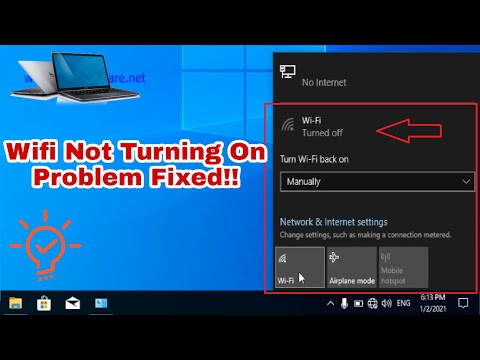
By Zeeshan Awan How to Turn on Wifi on Window 10 in Laptop Wifi Not Turning on Problem Solved Wifi Turned Off by Zeeshan Awan
How to Fix WiFi Connected on LaptopPC But No Internet Windows 1011

By Tech Analytic 360 How to Fix WiFi Connected on LaptopPC But No Internet Windows 1011 by Tech Analytic 360
WiFi Connected But No Internet Access on Windows 11 Fix

By The Geek Page WiFi Connected But No Internet Access on Windows 11 Fix by The Geek Page

Title: How to Fix No internet, secured in Windows 11
Channel: NETVN82
How to Fix No internet, secured in Windows 11 by NETVN82
My Laptop Work
Laptop WiFi Connected, But NOTHING Works?! (FIX NOW!)
It's the digital age equivalent of a phantom limb – the vibrant icon of Wi-Fi connectivity gleams merrily on your laptop's screen, promising seamless access to the boundless information, entertainment, and communication that the internet bestows. Yet, despite this tantalizing display of readiness, absolutely nothing happens. The browser refuses to load. Emails remain stubbornly unread. The digital world remains frustratingly, infuriatingly, out of reach. You’re staring at a connected, yet effectively offline, laptop. Take a deep breath. You're not alone, and more importantly, you're about to regain control. This comprehensive guide – crafted with precision and clarity – will help you diagnose and conquer the dreaded "WiFi connected, but no internet" predicament. We'll methodically explore potential causes and implement solutions, transforming that frustrating screen into a gateway to the digital realm.
Confirm the Obvious: Initial Troubleshooting Steps
Before delving into more complex diagnostics, we must first ensure the fundamental building blocks of connectivity are in place. These seemingly simplistic checks often reveal the root of the problem. Don't skip these steps; they can save considerable time and frustration.
Restart Your Laptop and Router: This is the digital equivalent of "turning it off and on again," and it's surprisingly effective. Restarting your laptop clears its temporary memory and forces it to re-establish network connections. Simultaneously, restarting your router and modem clears their caches and re-initializes the communication channels with your internet service provider (ISP). Wait a full minute after powering down the router before turning it back on to allow it to fully reset. Observe the light indicators on your modem and router to ensure they are operating normally after the reboot.
Verify Physical Connections: Are all cables properly plugged in? A loose Ethernet cable between your modem and router, or between your router and laptop, can easily disrupt the internet connection. Double-check the cables at both ends to ensure a secure connection. If possible, try replacing the Ethernet cable with a known good one to rule out cable malfunction.
Check Other Devices: Test internet access on other devices connected to the same network. If other devices (your phone, tablet, another laptop) are experiencing the same issue, the problem likely lies with the router, modem, or your ISP. If other devices are working, proceed to the subsequent troubleshooting steps specific to your laptop.
Diagnosing the Problem: Pinpointing the Breakdown
If the preliminary checks yield no results, it’s time to become a digital detective. We need to isolate the cause of the problem – is it a network issue, a laptop-specific configuration, or something else entirely?
1. Network Adapter Issues: A Deep Dive
Your laptop's network adapter, both the wireless and wired Ethernet adapters, are crucial for communication. If the adapter is malfunctioning, disabled, or encountering software conflicts, you’ll have a problem.
Check Adapter Status: In Windows, navigate to the "Network Connections" settings (search for it in the Start menu). Ensure that your Wi-Fi adapter is enabled. If it’s disabled, right-click on it and select "Enable." Observe the adapter's status. If it displays "Limited connectivity" or “No internet access,” it indicates a problem.
Update Network Adapter Drivers: Outdated or corrupted drivers are a common culprit. Go to "Device Manager" (search for it in the Start menu). Expand the "Network adapters" section. Right-click on your Wi-Fi adapter (usually labeled something like "Wireless Network Adapter" or "Wi-Fi Adapter") and select "Update driver." Choose the option to search automatically for updated driver software. You might also consider visiting your laptop manufacturer's website to manually download and install the latest drivers specific to your laptop model.
Uninstall and Reinstall Adapter Drivers: If updating drivers doesn't work, uninstalling and reinstalling them can often resolve deeper conflicts. In Device Manager, right-click on your Wi-Fi adapter and select "Uninstall device." Restart your laptop; Windows will attempt to reinstall the drivers automatically. If the drivers don't reinstall, you will have to reinstall your drivers from your laptop, or the network adapter's manufacturer.
2. IP Address and DNS Configuration: Navigating the Digital Road Map
The IP address and DNS (Domain Name System) settings direct your laptop to the correct destinations on the internet. Incorrect configurations will be like trying to navigate without a map.
Automatic IP and DNS: The simplest and most reliable method is to configure your network adapter to obtain IP addresses and DNS server addresses automatically. In Network Connections settings, right-click your Wi-Fi adapter and select "Properties." Select "Internet Protocol Version 4 (TCP/IPv4)" and click "Properties." Ensure that "Obtain an IP address automatically" and "Obtain DNS server address automatically" are selected. Click "OK" and restart your laptop.
Flush DNS Cache: Your laptop stores DNS information to speed up web browsing; this is called the DNS cache. Sometimes, this cache becomes corrupted, leading to connectivity issues. To flush the cache, open the Command Prompt as an administrator (search for "cmd" in the Start menu, right-click, and select "Run as administrator"). Type
ipconfig /flushdnsand press Enter. Restart your laptop.Manually Configure DNS: If automatic DNS doesn't work, consider using a public DNS server like Google's (8.8.8.8 and 8.8.4.4) or Cloudflare's (1.1.1.1 and 1.0.0.1). In TCP/IPv4 properties, select "Use the following DNS server addresses" and enter the preferred and alternate DNS server addresses. Click "OK" and restart your laptop.
3. Router Configuration and Restrictions: The Gateway Keeper
Your router acts as the gateway to the internet. Incorrect router settings or restrictions can block your internet access.
Check for MAC Address Filtering: Some routers allow MAC address filtering, which restricts internet access to specific devices based on their MAC address. Log in to your router's configuration page (usually by typing its IP address, such as 192.168.1.1 or 192.168.0.1, in your browser; the default login credentials are often printed on the router itself). Check the wireless settings or security settings for any MAC address filtering rules. Ensure that your laptop's MAC address is allowed. You can find your laptop's MAC address through the ipconfig /all command in the command prompt.
Router Firmware: Ensure your router's firmware is up to date. Outdated firmware can contain bugs that cause connectivity issues. Check your router manufacturer's website for firmware updates and follow their instructions for installation.
Router Reset: As a last resort, you can try resetting your router to its factory settings (usually by pressing a reset button on the router for several seconds). This will erase all the router's custom settings, which can be a last resort to reset the internet connection after many other troubleshooting steps. However, this will require you to reconfigure the router, so keep your internet service provider's configuration information handy.
4. Firewall and Security Software: Digital Gatekeepers
Firewalls and security software can sometimes interfere with internet connectivity, and that can create connectivity issues.
Temporarily Disable Firewall: Temporarily disable your Windows Firewall (or any third-party firewall software) to see if it's blocking your internet access. If disabling the firewall resolves the issue, you’ll need to configure your firewall to allow internet access for your web browser and other essential applications.
Check Security Software: Antivirus or internet security suites can also block internet access. Disable your security software temporarily to see if it's interfering with the connection. If it is, you may need to adjust its settings to allow internet access for your applications.
5. Other Potential Issues: Scenarios and Solutions
Conflicting IP Addresses: In rare cases, another device on your network might be using the same IP address as your laptop, leading to a conflict. The simple solution is to restart all the devices on your network, including the router. Most routers will automatically assign a different IP address to your laptop after the reset.
Proxy Settings: Incorrect proxy settings can prevent internet access. In Internet Options (search in the Start menu), go to the "Connections" tab and click "LAN settings." Ensure that "Use a proxy server for your LAN" is unchecked unless you specifically need a proxy.
ISP Problems: Sometimes, the problem isn’t with your equipment; it's with your ISP. If you've tried all the troubleshooting steps, contact your ISP and inquire about service outages or any known issues in your area. They can also verify your account status and modem configuration.
Wrapping Up: Reclaiming Your Connectivity
Confronting the dreaded "WiFi connected, but no internet" message can be frustrating, but with this detailed guide, you're now equipped with the knowledge and tools to diagnose and resolve the problem. Work through the steps methodically, documenting your progress, and you'll be well on your way to restoring your laptop's internet access. Remember, persistence pays off. If you’ve exhausted all the above options, consider seeking professional assistance from a computer technician or your internet service provider. They can provide more in-depth troubleshooting and resolve more complex or hardware-related issues.
